
10 Signs Your Commercial Roof Is Costing You Money

As a business owner, you have a lot on the go. There’s strategy, development, and finances to think about, among many other responsibilities. One area that may not receive as much attention as it should is your commercial property. The roof is a prime example. Because it’s not immediately visible and is likely not regularly inspected, problems can go unnoticed until significant damage happens. Whether you own a warehouse, office, or another type of business property, the following 9 signs may indicate that it’s time to have your commercial roof inspected and any necessary repairs done.
#1 Increasing Energy Bills
Have you noticed higher heating or cooling costs on bills lately? If so, that may indicate your roof is not performing as well as it could. While the roof being the source of these rising costs might not have immediately come to your mind, damaged or older materials can lead to major energy loss. So too can gaps in the roof, such as cracked materials or poor insulation. As time goes on, reduced energy efficiency can lead to noticeably higher utility bills, especially in bigger commercial buildings.
#2 Regular Water Leaks
While occasionally seeing pools of water inside or outside the property isn’t likely a cause for concern, frequent water leaks can signal problems with the roof. Where you see the water can vary when the roof is leaking, showing up as damp walls, water stains on ceilings, or dripping water during storms. You or a member of your team might also notice moisture around the windows. Even small leaks are best addressed early on so that they don’t become larger, costly problems later.
#3 Water Pooling on the Roof
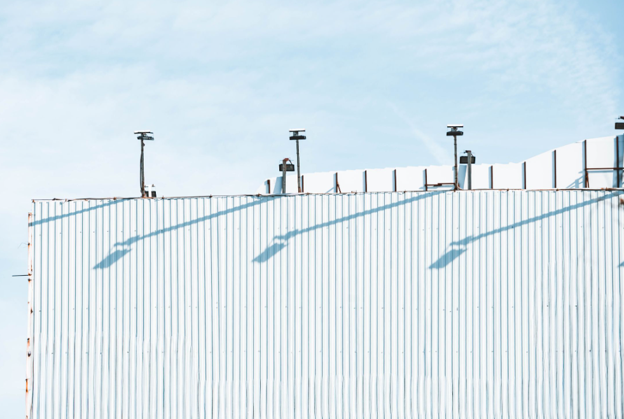
When properly designed, flat and low-slope commercial roofs generally drain water effectively. However, there may be drainage problems or low spots that need attention if you see water remains on the surface for a long time after it rains. Many property owners work with a flat roofing company in Philadelphia to check for drainage problems and find issues before they cause more damage.
#4 Having More Repair Costs Than Before
Do there seem to be more building repairs happening lately than there used to be? While occasional maintenance is part of building upkeep, more frequent roofing repairs may indicate a larger underlying problem. Tracking repair costs over time can help determine whether ongoing repairs are still practical or whether a more comprehensive solution is needed now.
#5 Roof Damage You Can See
If damage to the commercial roof is visible, that’s a sign that it needs attention. Some examples include cracked or damaged roofing materials, loose flashing, a buildup of debris, and puddles of water. The surface of the roof could also appear to blister or bubble in areas. Addressing obvious damage like this early on may help reduce the risk of bigger problems in the next few months or years that take up a chunk of your business budget.
#6 Business Disruptions
Roofing problems can begin to affect other parts of the building and operations overall. Leaks and emergency repairs to a commercial roof can bring daily activities to a halt, including reducing the number of sales possible. Customers may be frustrated by the disruptions, impacting your brand’s reputation. In some cases, sections of a facility may need to be temporarily closed while repairs are done, making for an extra challenge for business owners to deal with.
#7 Employees or Customers Complain about Cold Air Indoors
Has a customer or member of your team recently submitted a complaint about the building being too cold? While you may have thought it’s the thermostat, another reason for the problem could be the roof. An issue with the roof, such as insufficient insulation, could be causing an air leak that leaves the interior of your office or other type of commercial building feeling cold inside. That can negatively impact productivity and the customer experience, so getting a repair done sooner rather than later is likely in your best interests.
#8 Mold or Mildew Appeals
Has there been a musty smell? Has someone noticed mold or mildew in the building? These signs of moisture entering the roof need attending to, or they could be costing you money. The appearance of mold and mildew, as well as the odor, is off-putting for those in the building. Mold is also unhealthy. To prevent the moisture problems from spreading, you’ll need professional assistance to ensure the spores are removed properly and thoroughly. Otherwise, you risk regrowth that could potentially lead to a business closure if it’s deemed unsuitable to enter the building.
#9 Damage after Severe Weather
Commercial roofs are constantly exposed to wind, rain, hail, snow, and temperature fluctuations. Even when damage is not immediately visible from the ground, it may have happened and leave your building exposed to harsh weather ahead, birds, and more. Getting inspections done after major storms may be useful for assessing whether there has been harm to the building, and to get it attended to before it worsens and costs a lot more.
#10 Creating a Roofing Budget
A growing number of business owners are putting aside funds each year to care for the roof. Maintenance and eventual replacement of the roof become easier to manage when there are dedicated funds toward it. That takes some proactive budgeting, of course, for greater flexibility than responding to urgent roofing problems after they occur. The planning can be well worth it as you better anticipate future expenses, schedule repairs strategically, and extend the performance of your commercial roof.
Concluding Words
A commercial roof has an important role in protecting a business’s property, assets, employees, and customers. While roofing problems may not always be immediately visible, warning signs such as rising energy bills, recurring leaks, standing water, aging materials, and indoor moisture issues can signal that action may be needed. A proactive approach, including smart budgeting for routine inspections and getting repairs done as soon as possible, can help prevent larger expenses and operational disruptions later on.











Share in the comments below: Questions go here
Learn how to enhance your medical practice's efficiency without compromising patient care. Explore actionable tips for a better healthcare experience.