
Why Continuous Oversight Is Key to Quality Care
Providing excellent care means more than just creating a great initial plan. While a thorough assessment at the start is vital, true quality comes from constant attention and adjustment. Care environments are dynamic, and needs can change unexpectedly. Relying on a plan that was perfect six months ago might mean you're missing critical new details today. Continuous oversight is how a good starting point becomes a sustained standard of excellence.
Beyond Initial Assessments
Think of an initial care plan as a detailed map for a journey. It’s incredibly useful for getting started, but it can’t account for unexpected road closures, changing weather, or a sudden decision to take a scenic detour. In any care setting, the initial assessment provides a snapshot in time. It captures the needs, risks, and goals of a person or a system at that specific moment.
However, conditions rarely stay static. A patient's health might improve or decline, new best practices may emerge in the industry, or staffing changes can alter team dynamics. An initial assessment, no matter how comprehensive, becomes less relevant with each passing day. Without ongoing review, you risk operating on outdated information. This can lead to missed opportunities for improvement or, worse, new, unaddressed risks.
Implementing Regular Risk Review Cycles
To move beyond a static plan, you need to implement regular review cycles. This isn't about random check-ins; it's about creating a structured, predictable process for re-evaluating your approach. The goal is to proactively identify potential issues before they become significant problems. A formal healthcare risk assessment can provide a strong framework for these reviews.
Start by defining how often you'll review things. Should it be quarterly, monthly, or triggered by specific events like a patient incident or a change in regulations? Once you have a schedule, determine what you'll be looking at. Key areas for review often include patient or client outcomes, adherence to established protocols, staff feedback and performance metrics, and environmental safety checks.
Using a dedicated risk-based oversight system can help formalize and streamline this process. Organizations also benefit from upgrading their medical data systems to improve documentation, reporting accuracy, and access to real-time information that supports better clinical decision-making. It ensures that reviews are consistent, documented, and that findings are tracked over time. This structure turns oversight from a reactive task into a proactive strategy for continuous improvement.

Adapting Strategies to Evolving Needs
Identifying a risk is only half the battle. The next crucial step is adapting your strategies to address what you've found. A continuous oversight process that generates data but doesn't lead to change is ineffective. When a review cycle uncovers a new risk or an area for improvement, your team must be empowered to adjust the care plan accordingly.
For example, if data shows a slight increase in medication errors at a specific time of day, your team can investigate the root cause. Is it a staffing issue? A workflow problem? A confusing label? The process of identifying and assessing risks formally is key. Based on the findings, you can adapt the strategy. This might involve changing the schedule, providing additional training, or implementing a new double-check system. This agility ensures that your care delivery doesn't just follow a rigid plan but evolves to meet real-world challenges as they arise.
Ensuring Consistent Quality Over Time
The ultimate benefit of continuous oversight is ensuring consistent, high-quality care over the long term. When you are constantly monitoring, reviewing, and adapting, you prevent the slow erosion of standards that can happen when systems are left on autopilot. This creates a culture where excellence is not an occasional achievement but the baseline expectation.
This proactive approach is also far more efficient than constantly putting out fires. By catching small issues early, you prevent them from escalating into larger, more costly problems. It builds confidence among staff, patients, and their families, as it demonstrates a clear commitment to safety and well-being. Sustained quality is the direct result of this disciplined, ongoing effort.
Ultimately, continuous oversight transforms care from a series of static tasks into a living, responsive process. It's this commitment to ongoing evaluation and adaptation that truly defines and delivers quality care.






















Share in the comments below: Questions go here

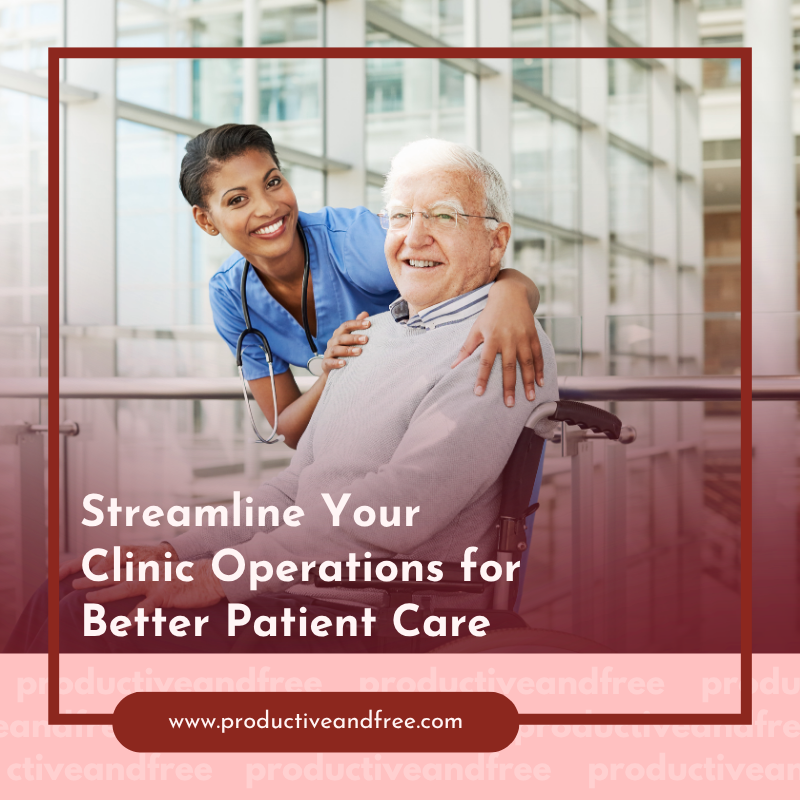
Learn how to enhance your medical practice's efficiency without compromising patient care. Explore actionable tips for a better healthcare experience.