
Nobody's Watching Oregon City and That's the Opportunity
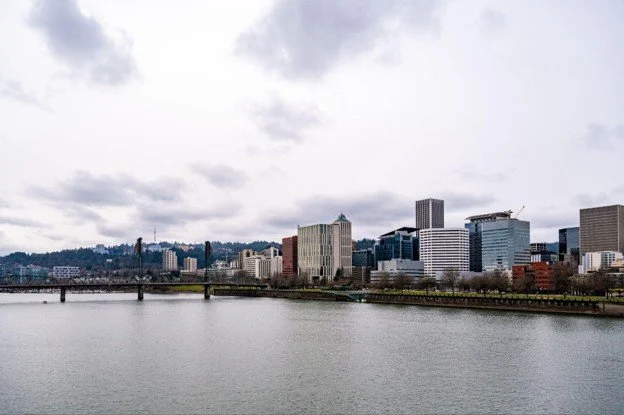
While the world obsesses over Portland's tech scene, Seattle's software giants, and San Francisco's endless stream of startups, a quiet economic shift is unfolding just 13 miles south.
Oregon City sits in plain view of everyone driving down I-205, yet somehow remains invisible to the business intelligence reports, the venture capital spreadsheets, and the economic forecasts that shape where capital flows. This invisibility isn't a weakness. It's precisely the competitive advantage that makes Oregon City one of the most underestimated markets in the Pacific Northwest.
The phenomenon of overlooked markets isn't new.
Businesspeople hunt for opportunities using data other people have already gathered, and no one bothers to gather data on obscure, small, non-strategic markets because the collection costs outweigh perceived demand. Oregon City doesn't make the radar of most regional economic analyses because it's neither big enough to dominate headlines nor small enough to qualify for rural development programs. It occupies an economic middle ground that most analysts simply skip over.
The Economic Reality Hidden in Plain Sight
Understanding what's actually happening in Oregon City requires looking past the surface metrics.
Oregon City is a booming place full of economic potential, with a prominent workforce and many bustling industries that create genuine opportunity for those willing to pay attention. The Portland economy and its surrounding suburbs continue to evolve, with Oregon City positioned as the county seat of Clackamas County. Portland Real Estate recently analyzed these regional dynamics, noting that more than 19,800 people work at businesses all across Oregon City, with at least 1,400 employers inside the city limits generating sustained economic activity.
Oregon City has a median household income of $94,648, and the median home value is $531,400, reflecting a population with genuine purchasing power. The commercial real estate market tells a similarly compelling story, with vacancy rates usually staying in the 8% range, making it relatively easy for new businesses to find suitable locations without the bidding wars and inflated lease rates common in Portland proper.
Why Small Cities Outperform in Specific Contexts
The economic advantages of mid-sized cities aren't theoretical.
Small cities work best in relatively small countries, while medium-sized cities are only detrimental to economic growth in very small countries, according to research examining city size and economic performance. Oregon City benefits from proximity to Portland's infrastructure and talent pool without inheriting the congestion, regulatory complexity, or cost structures that slow growth in larger urban centers.
Research from the EPA demonstrates that smaller communities that identify and build on existing assets can create sustainable competitive advantages. Oregon City already possesses several of these assets: a historic downtown district, direct access to the Willamette River, and a residential population that commutes to higher-wage jobs in Portland while spending locally.
Oregon City has many small businesses growing and thriving in its confines, thanks to its supportive community and great tourism rate, creating an environment where new enterprises can gain traction faster than in oversaturated markets.
The city also offers business incentives that larger municipalities can't match.
The government supports new or relocating companies through various innovative business incentive programs, including grants, low-cost financing, workforce training resources, and funding to help acquire property and improve sites, making the barrier to entry substantially lower than in nearby Portland.
The Strategic Advantage of Being Overlooked
When everyone's looking in the same direction, opportunities multiply in the spaces they ignore. Competitive neglect creates lasting advantages for businesses that recognize gaps before they become crowded.
One mechanism that causes invisibility is simple unawareness, where businesspeople hunt for opportunities using data other people have already gathered, and no one bothers to gather data on obscure, small markets because the collection effort seems disproportionate to the perceived reward.
This dynamic plays out every day in Oregon City. While competitors chase the same customers in Portland's established commercial districts, Oregon City offers access to a population of 38,298 that has increased by 1.37% since 2020, representing steady growth without the volatility that characterizes boom-and-bust cycles in more visible markets. The city's economic fundamentals remain solid, with an unemployment rate of 4.7% tracking close to healthy employment levels.
Economic research shows that Oregon's GDP per capita reached $62,200 in 2025, reflecting broader state prosperity that flows through communities like Oregon City. For businesses evaluating where to invest limited resources, the question becomes whether to fight for scraps in crowded markets or capture disproportionate market share in overlooked ones. Labor market research from the Bureau of Labor Statistics provides additional context on Oregon's employment landscape, showing how regional economic patterns create opportunity pockets across the state.
Building Momentum Where Others Aren't Looking
The best time to enter an emerging market is before everyone else realizes it's emerging. Oregon City's position as a Portland suburb offers businesses dual advantages: access to metropolitan resources without metropolitan costs.
Oregon City has evolved as a thriving Portland suburb and is widely considered one of Portland's most walkable suburbs, with residents often traveling into the city to work in the hospitality field, creating a population with diverse employment backgrounds and spending patterns.
Smart operators recognize that being first in an overlooked market beats being tenth in a visible one. The absence of competition creates room for experimentation, relationship building, and brand establishment that becomes exponentially harder once markets hit saturation. Oregon City's visibility problem is every new entrant's opportunity problem, rewarding businesses that can see what others miss and act before the window closes.
















Share in the comments below: Questions go here
Discover how traveling can enhance your understanding of customer needs and preferences. Learn valuable insights to boost your entrepreneurial success.