
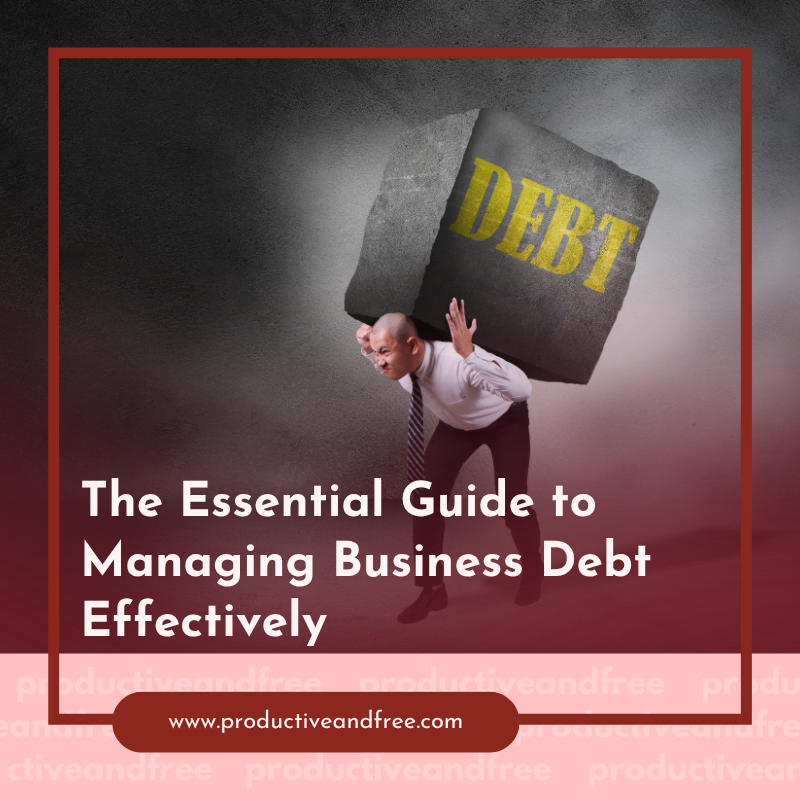
Businesses often need debt to grow. It can help you buy new equipment, expand what you do, or cover costs during slow times. But if that debt gets out of hand, it can quickly go from being helpful to causing huge stress, even putting your business at risk. The trick isn't to avoid debt completely, but to handle it well. This guide gives you practical ways to get your business finances in order, deal with creditors, and build a stronger financial future.
Understanding Different Debt Types
Not all debt is the same. Before you can plan how to pay it back, you need to understand what kind of debt you have. Business debts generally fall into two main groups: secured and unsecured. Secured debt is tied to a specific asset, like a building or a piece of equipment. If you can't pay, the lender can take that asset. Mortgages and equipment loans are common examples. Unsecured debt isn't backed by collateral; this includes things like business credit cards and supplier credit lines, which can help improve business credit.
It's also useful to tell the difference between good versus bad debt. "Good debt" is an investment in your company's future, something that should bring in more money than the loan costs. For example, borrowing to buy a new machine that doubles your production capacity is usually seen as good debt. "Bad debt," on the other hand, pays for things that don't make money or lose value quickly, often with high interest. Using a high-interest credit card to cover payroll shortages every month, without a plan to fix the underlying cash flow problem, is a classic example of bad debt. Knowing this difference helps you decide which debts to tackle first and guides your choices when you need to borrow money in the future.

Strategies for Debt Repayment
Once you have a clear picture of your debts, you can make a plan to pay them down. Two of the most popular methods are the debt methods are the debt avalanche and the debt snowball.
● The Debt Avalanche: With this method, you make minimum payments on all your debts. Then, you put any extra money toward the debt with the highest interest rate. Once that debt is gone, you take the amount you were paying on it and add it to the payment for the next-highest-interest debt. This approach saves you the most money on interest over time.
● The Debt Snowball: This strategy is all about building momentum. You focus extra funds on your smallest debt first, no matter its interest rate. Once it's paid off, you get a boost from that success and apply the full payment amount to the next-smallest debt. The psychological win can be a strong motivator.
Another useful tool is debt consolidation. This is where you combine several high-interest debts into one new loan, ideally with a lower interest rate. This makes your payments simpler and can lower your total monthly cost, freeing up cash. No matter which method you pick, a detailed business budget is the foundation of any successful repayment plan. Looking closely at your income and expenses will show you where your money is going and where you can cut back to reduce business debt.
Navigating Pressure From Creditors
Falling behind on payments can lead to a lot of pressure from creditors. Ignoring their calls and letters is the worst thing you can do. It sends a message that you're not taking the situation seriously and can speed up legal action. Instead, be proactive. Talking openly is your best tool.
Contact your creditors as soon as you know you might have trouble making a payment. Many lenders are willing to work with you if they believe you're trying to resolve things. You might be able to arrange a temporary break from payments, a lower interest rate, or a new payment schedule that fits your current cash flow better. Get ready for this conversation by having your financial details handy, including a clear explanation of why you're struggling and a realistic offer of what you can afford to pay.
If things get worse and involve collection agencies or legal threats, it becomes much more complicated. When direct talks don't work or the amount of debt feels overwhelming, it might be time to get professional help. If the debt becomes unmanageable and threatens your company's survival, seeking strategic insolvency support can offer a structured way forward. This can protect directors and explore options like restructuring. An expert can negotiate for you and make sure your rights are protected.
When to Seek Expert Debt Advice
Many business owners try to handle money problems on their own, but there are clear signs it's time to bring in a professional. If you find yourself taking out new loans just to pay off old ones, you're stuck in a debt cycle that's hard to break without help. Consistently missing payment deadlines, having your credit lines cut, or seeing your cash flow stay negative are all major red flags. The personal toll, like constant stress affecting your health and decisions, is another key indicator.
Different experts can help at different points. A Certified Public Accountant (CPA) can help you create a detailed budget, analyze your cash flow, and find financial inefficiencies. A financial advisor can help restructure your company's finances and develop long-term plans. If the business is facing insolvency, meaning it can't pay its debts when they're due, an insolvency practitioner is the specialist you need. They are authorized to manage formal procedures like administration or liquidation, providing a legal framework to sort out the situation in an orderly way. Waiting too long to get help can limit your choices, so it's better to reach out sooner.
Preventing Future Financial Strain
The best way to deal with debt is to stop it from becoming a problem in the first place. This takes discipline, planning ahead, and a commitment to smart financial management. It all starts with a solid business plan that includes realistic financial forecasts. Before you even open your doors, you should have a clear idea of your expected startup costs, ongoing expenses, and how you'll make money. This planning helps you understand exactly how you'll fund your business and how much capital you really need.
Building and keeping a cash reserve is a must. Aim to set aside at least three to six months of essential operating expenses in an emergency fund. This cushion lets you cover unexpected costs or handle a sudden drop in income without immediately turning to high-interest debt. Regular financial reviews are also crucial. At least once a month, sit down and look at your profit and loss statement, balance sheet, and cash flow statement. This habit helps you spot negative trends early, giving you time to fix things before they get out of control. Finally, be smart about borrowing. Only take on debt for strategic reasons that have a clear and measurable return on investment.
Managing debt means constantly monitoring, planning, and communicating proactively. Using these strategies helps you use debt as it's meant to be used—a way to fuel growth—without letting it control your business's future.























Share in the comments below: Questions go here
Learn the essential steps to create and scale your online course business. Our complete guide offers tips for success and maximizing your reach!