
Why Proactive Maintenance Boosts Your Bottom Line

That sudden, jarring silence on the factory floor. The frantic call from a tenant about a dead HVAC system in mid-July. The server rack that goes dark, taking the entire company offline. These are the moments when equipment failure goes from a hypothetical risk to a full-blown crisis. For too long, many businesses have operated on an "if it ain't broke, don't fix it" mentality. But waiting for something to break is one of the most expensive business strategies you can have. Instead, proactively addressing operational problems can prevent significant financial drain and foster a more stable, efficient environment for your small business.
The alternative is a proactive approach: maintaining equipment not because it's broken, but to ensure it never gets to that point. This shift from reactive to proactive maintenance isn't just about avoiding emergencies; it's a fundamental strategy for improving efficiency, reducing costs, and boosting your bottom line.
The High Cost of Reactive Repairs
Reactive maintenance is the practice of fixing equipment only after it has failed. While it might seem cost-effective on the surface, you're not spending money until you absolutely have to; the hidden costs are staggering. When a critical piece of machinery breaks down, the initial repair bill is often just the beginning of the financial pain.
Consider the ripple effects. Unplanned downtime brings operations to a halt, directly impacting your revenue stream. A 2022 study found that the average cost of downtime for manufacturing businesses can range from $30,000 to $50,000 per hour. Emergency repairs often require paying overtime to technicians and rush-ordering parts at a premium. These direct expenses can quickly eclipse any perceived savings from skipping regular maintenance. The benefits of planned maintenance become immediately clear when you compare these scenarios.
Beyond the direct financial hit, reactive repairs introduce operational chaos and risk. Rushing a fix can lead to safety shortcuts and subpar work, potentially causing an even bigger failure down the line. For customer-facing businesses, equipment failure can lead to missed deadlines and reputational damage that is difficult to repair. The core difference between reactive vs. proactive maintenance is the difference between being in control of your operations and being at their mercy.
Building a Strategic Maintenance Plan
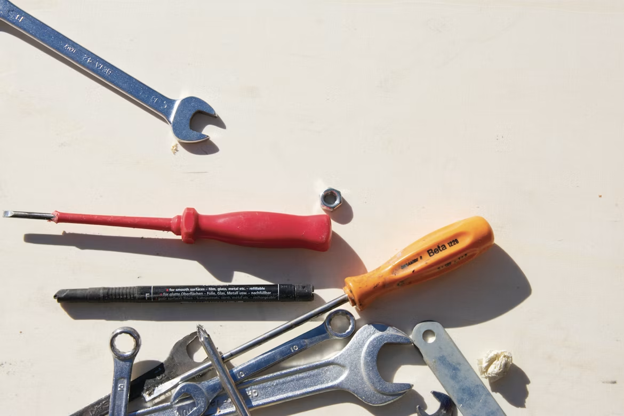
Transitioning from a reactive to a proactive approach requires a clear, documented strategy. A strategic maintenance plan is a roadmap that details how, when, and why your company's assets will be cared for. It transforms maintenance from an unpredictable expense into a manageable, budgeted activity. Building an effective plan involves a few key steps.
First, create a comprehensive inventory of all your critical equipment. You can't maintain what you don't track. For each asset, document its age, condition, and maintenance history. Next, prioritize your equipment based on its importance to your operations. A primary production line machine, for example, will have a much higher priority than a rarely used piece of auxiliary equipment.
With your priorities set, you can begin scheduling regular maintenance tasks. This includes routine inspections, cleaning, lubrication, and parts replacement. Regular cleaning is non-negotiable for efficiency and safety. In large combustion systems, for instance, components like sootblowers must be regularly inspected and maintained to prevent buildup that reduces heat transfer and can lead to costly damage. Creating a proactive maintenance strategy ensures these essential tasks are never overlooked. Finally, document everything. Keep detailed logs of all maintenance performed, including dates, personnel, and any issues discovered. This data is invaluable for refining your plan over time.
Optimizing Industrial Equipment Longevity
A proactive maintenance program does more than just prevent breakdowns; it significantly extends the useful life of your most valuable assets. Every piece of equipment, from a simple pump to a complex manufacturing robot, is a significant capital investment. Maximizing the return on that investment is a core business objective. Regular, planned maintenance is the single most effective way to achieve this.
Think of it like owning a car. You wouldn't drive it for 100,000 miles without changing the oil. The same principle applies to industrial machinery. Consistent lubrication reduces friction and wear on moving parts. Regular filter changes prevent contaminants from damaging sensitive components. Calibrating equipment ensures it operates within its specified tolerances, reducing unnecessary stress. These seemingly small actions, performed consistently over time, can add years to the operational life of your equipment.
By extending equipment longevity, you postpone massive capital expenditures on replacements. The modest operational cost of a maintenance program pales in comparison to the multi-million dollar price tag of new industrial machinery. These proactive facility maintenance tips are not just about saving money on repairs; they're about optimizing your capital budget and improving the long-term financial health of your organization.
Tools for Predictive Maintenance
While scheduled preventive maintenance is a huge leap forward from a reactive approach, technology allows us to go even further. Predictive maintenance (PdM) uses data analysis tools to detect the earliest signs of equipment degradation and predict when a failure is likely to occur. This allows you to perform maintenance at the exact right moment, not too early and certainly not too late.
Predictive maintenance relies on condition-monitoring technology to gather real-time data from your equipment. Some common tools include:
● Vibration Analysis: Sensors can detect subtle changes in a machine's vibration patterns, which can indicate issues like bearing wear, imbalance, or misalignment long before they become critical.
● Thermal Imaging: Infrared cameras are used to scan equipment for "hot spots." An electrical component that is unusually hot could be a sign of a loose connection or impending failure.
● Oil Analysis: Regularly testing the lubricating oil in a machine can reveal the presence of microscopic metal particles or other contaminants, indicating internal wear.
● IoT Sensors: Internet of Things (IoT) devices can be attached to almost any asset to monitor a wide range of variables, from temperature and pressure to power consumption and output. This data is fed into software that uses algorithms to identify anomalies and alert staff to potential problems.
Implementing a predictive maintenance program allows you to move from a schedule-based system to a condition-based one. Instead of changing a part every 5,000 hours, you change it when the data shows it's starting to wear out. This optimizes resource use, minimizes downtime, and provides an unparalleled level of insight into the health of your operations.
Shifting to a proactive maintenance mindset is one of the most impactful changes a business can make. It's a move away from constant fire-fighting and toward strategic, controlled management of your assets. Understanding the true cost of reactive repairs and implementing a planned approach helps you reduce downtime, extend equipment life, and build a more resilient, profitable business.


























Share in the comments below: Questions go here
Maximize productivity by streamlining your field operations. Explore effective solutions that drive efficiency and elevate your team's performance!