
Why Flexible Healthcare Careers Are Becoming More Popular
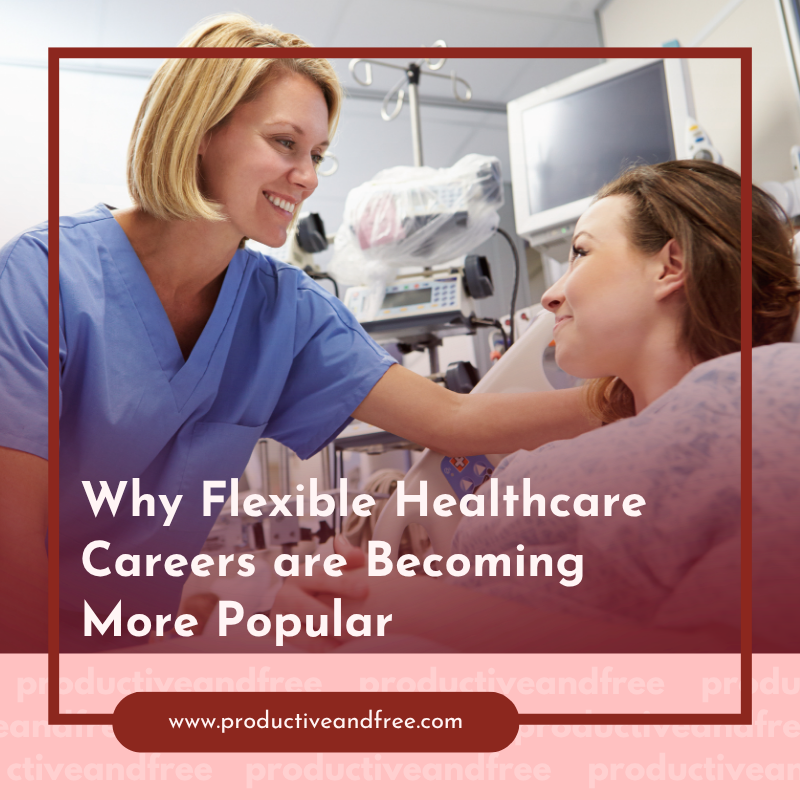
When you think of a healthcare career, you probably picture long, set hours in one hospital or clinic. While healthcare professionals are as dedicated as ever, how they work is changing a lot. People in other fields used to see flexibility as a bonus, but now many in medicine expect it. This shift is really changing what it means to have a lasting and satisfying career in healthcare.
More than before, professionals want jobs that give them a better work-life balance, control over their schedules, and a chance to follow personal interests without giving up their careers. This isn't just a quick trend; it's a big change in how the healthcare workforce sees job satisfaction and staying power.
A New Definition of Work-Life Balance
Everyone's talking more about work-life balance, and healthcare is no different. After years of high-pressure jobs, many medical professionals are thinking about what's most important to them. They want to avoid burnout and stay healthy, so they're looking for something different than the strict 9-to-5 or tough 12-hour shifts that used to be standard.
People are looking for this balance at a time when healthcare is a particularly hot career field because it's stable and always in demand. But job seekers aren't just looking for a steady paycheck anymore. They want employers and jobs that respect their time and them as people. This could mean being able to schedule shifts around family, taking longer breaks between contracts, or simply having more say in when and where they work. This new focus on personal well-being is making the industry change, leading to more flexible, employee-friendly job options.
The Rise of Travel and Temporary Contracts
One of the biggest changes in flexible healthcare work is how popular travel and temporary contract jobs have become. This used to be mostly for nurses, but now it includes many different specialties. These short-term jobs, usually about 13 weeks long, let professionals work in different cities and healthcare systems. They get varied experience and often earn more money.
This career path offers a lot of freedom. Professionals can take a month or two off between jobs to travel, visit family, or just relax. This independence helps fight the burnout that can come from working in the same stressful place year after year. It's not just nurses who find this appealing; more and more allied health travel jobs are available for physical therapists, respiratory therapists, medical lab technicians, and others. These jobs offer the same perks of adventure, good pay, and control over your career path. For many, it's a way to see the country and get ahead professionally at the same time.

Technology is Unlocking New Possibilities
New technology, especially telehealth, has really opened up options for flexible healthcare work. Virtual appointments and remote patient monitoring used to be rare, but now they're a normal part of modern medicine. This has created many chances for professionals who want or need to work from home.
This change is redefining career flexibility for many jobs that people once thought had to be done in person. For example:
● Mental Health Professionals: Therapists and counselors can have sessions with clients from anywhere, giving them a lot of freedom with where and when they work.
● Case Managers: Many case management and care coordination jobs can now be done remotely. This lets professionals manage patient care plans from a home office.
● Medical Coders and Billers: These important office jobs have been moving towards remote work for a while, and that trend has only sped up.
● Specialty Consultants: Radiologists, for example, can often read and interpret diagnostic images from a different location, sharing their expertise with hospitals all over the country.
Telehealth isn't just good for the professional; it also helps patients get care. This makes it a sustainable model for the future of the industry.
More Than Just a Schedule
The good things about a flexible career in healthcare go way beyond just controlling your work hours. It's about a more complete way to grow professionally and feel good about your job. For instance, per diem work lets professionals pick up shifts at different local facilities as needed. This gives them a steady income without the commitment of a full-time job, which is great for people balancing school, family, or other projects.
Working in different places, whether through travel contracts or per diem shifts, also helps you learn skills faster. Every new hospital or clinic introduces you to different ways of doing things, new technology, and different types of patients. This makes you a more adaptable and well-rounded professional. There is a high demand for healthcare careers, and this gives skilled workers a lot of power. They can choose jobs that not only fit their life but also match their long-term career goals, whether that's getting experience in a specific area or building a varied professional network.
Exploring In-Demand Flexible Roles
There are more kinds of flexible healthcare jobs than many people realize. From short-term travel jobs to fully remote positions, there are many ways for people to have more control over their careers. Many of these are among the fastest-growing healthcare jobs in the industry.
Here are a few examples of jobs that often offer flexibility:
● Travel Nurse (RN): Takes short-term jobs in different cities, often with better pay and housing money.
● Locum Tenens Physician: A doctor who temporarily fills in for another doctor, from a few days to several months.
● Telehealth Counselor: Provides mental health services remotely through video or phone calls, offering complete freedom of location.
● Per Diem Physical Therapist: Picks up daily shifts at various clinics or hospitals, controlling their own weekly schedule and income.
● Remote Medical Coder: Looks at clinical statements and assigns standard codes from a home office, a job that is almost entirely remote.
As the industry keeps changing, more and more jobs will be able to offer greater flexibility, opening doors for even more professionals.
The move towards flexibility in healthcare isn't just a passing trend; it's a necessary change. By offering jobs that support a healthier work-life balance, the industry can better attract and keep the skilled professionals we need to care for our communities. For healthcare workers, this means a new era of empowerment, giving them the freedom to create a career that supports both their professional goals and their personal well-being.
























Share in the comments below: Questions go here
Maximize productivity by streamlining your field operations. Explore effective solutions that drive efficiency and elevate your team's performance!