
How to Launch Your First Online Product Successfully
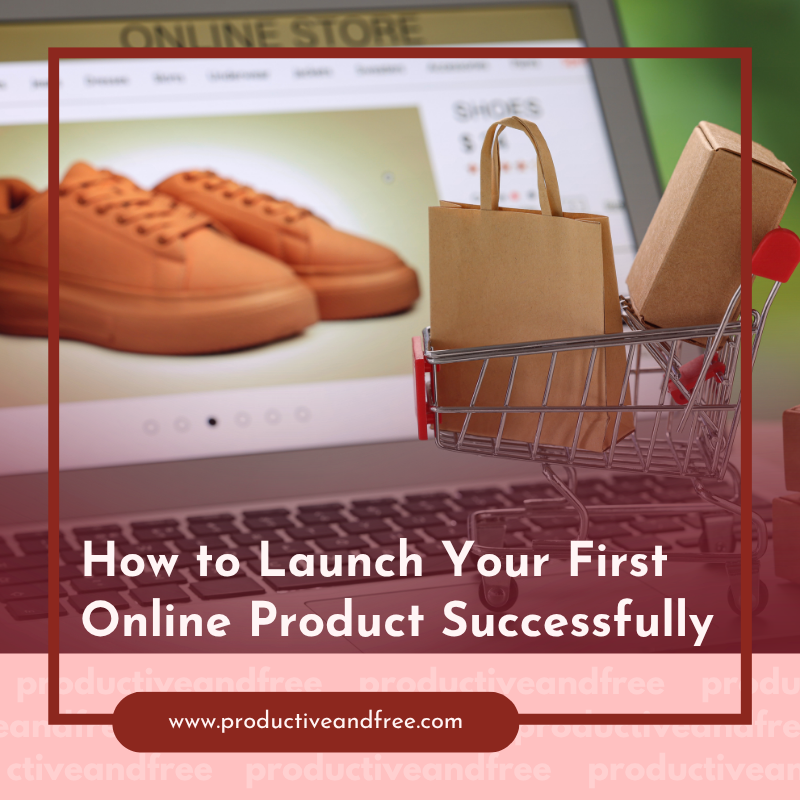
It's exciting to take an idea from a spark to something you can actually sell online. But it can also feel like a lot, with so many steps and decisions. The good news is you don't need a huge budget or a big team to launch successfully. What you do need is a clear plan and a focus on reaching the right people. This guide breaks down the process into easy stages, helping you go from concept to your first sale with confidence.
From Idea to Product
Before you even think about logos or websites, you need to make sure your product idea has real potential. Many new entrepreneurs build something in private, only to find out later that no one actually wants it. You can avoid this by checking if your idea is viable first.
Start with proper market research to really get to know your potential customers. Who are they? What problems do they have that your product could fix? What other solutions are they using right now? You can find this out by:
● Sending out online surveys in social media groups or forums where your target audience hangs out.
● Talking one-on-one with people who fit your ideal customer description.
● Looking at what competitors are doing well and where there are gaps in the market.
Once you have a better idea of what your audience wants, focus on making a Minimum Viable Product (MVP). An MVP is the simplest version of your product that still gives users its main value. For a physical item, this might mean making a small batch with just a few options. If you're selling a digital course, it could be the first few key lessons. The point of an MVP isn't to be perfect; it's to get a working product to early customers quickly. This way, you can get real feedback and make improvements before putting in more time and money.

Building Your Brand Presence
While you're developing your product, you should also be building your brand. A brand is more than just a name or a logo; it's the story, feeling, and reputation people connect with your product. A strong brand helps build trust and excitement long before you're ready to sell. To successfully launch your e-commerce brand, you need to start laying the groundwork early.
Begin by figuring out your brand's identity. This includes:
● Your Brand Name: Pick something memorable, easy to spell, and relevant to what you're selling or what you stand for.
● Visuals: Choose a color scheme, fonts, and a logo that show off your brand's personality. Is it fun and energetic, or calm and sophisticated?
● Voice: How will you talk to your audience? Your tone in emails, social media posts, and on your website should always be consistent.
With your brand identity in mind, start gathering an audience. Don't wait until launch day to look for customers. Set up social media accounts on platforms where your target audience spends their time. Start an email list and offer something valuable for free, like a helpful checklist, a short guide, or an exclusive discount, to encourage sign-ups. Share behind-the-scenes glimpses of your product development, talk about your mission, and offer useful content related to your niche. This helps build a community of engaged followers who will be excited to support you when your product finally launches.
Setting Up Your Online Storefront
Once your product is ready and you have a growing audience, it's time to set up a place to sell. Your online store is your digital home base, and it needs to look professional, be easy to use, and feel secure. There are a few ways you can get your shop up and running.
Many creators and small businesses start with dedicated e-commerce platforms like Shopify or BigCommerce. These services offer powerful tools for building a custom store, managing what you sell, and handling payments. Another popular choice is using an online marketplace like Etsy, which is great for handmade goods and creative products because it already has a built-in audience of shoppers.
For digital creators, coaches, and educators, all-in-one platforms are becoming more popular. They combine storefronts with community and content features. These integrated systems make it easy to sell products online while also hosting courses and building a customer base all in one place. No matter which platform you pick, focus on the basics:
● Great Visuals: Invest in clear, well-lit photos of your product or professional mockups for digital items. Show your product from different angles and in use, if possible.
● Compelling Descriptions: Don't just list features; explain the benefits. Tell a story about how your product will make your customer's life better. Use clear, simple language and formatting that's easy to read quickly.
● Simple Checkout: Make buying as smooth as possible. A complicated or confusing checkout process is a big reason why people abandon their carts.
Marketing Your Launch
The final piece of the puzzle is your business marketing strategy. A successful launch is rarely quiet; it's a well-planned event designed to create buzz and drive sales from day one. Your marketing should start weeks before you officially open for business. A solid product launch marketing plan usually includes phases before, during, and after the launch.
In the pre-launch phase, your goal is to build excitement.
● Tease your audience: Share sneak peeks of the product on social media and with your email list.
● Start a countdown: Use countdown timers in your emails and social media stories to create a sense of urgency and excitement.
● Engage your community: Ask your audience for their thoughts or run a poll related to the product. This makes them feel involved in the process.
On launch day, go all out. Announce that your product is live across all your channels, email, social media, and any other platform where you have a presence. Think about offering a special launch-day deal, like a limited-time discount or a free bonus, to encourage immediate purchases. This strategy works whether you're launching a digital product or a physical item.
After the initial launch rush, your work isn't over. The post-launch phase is about keeping the momentum going. Encourage customers to leave reviews, which builds trust for future buyers. Share content created by users, like photos of customers enjoying your product. Keep up your marketing efforts to reach new audiences and turn your first-time buyers into loyal fans.
Launching your first product is a big achievement. By focusing on validating your idea, building your brand, and strategic marketing, you set yourself up not just for a great launch day, but for long-term growth.


















Share in the comments below: Questions go here

Discover the top 5 signs that your hiring process may be driving away talented candidates. Improve your recruitment strategy and attract the best talent today!