
Optimizing Your Workspace for Health and Focus
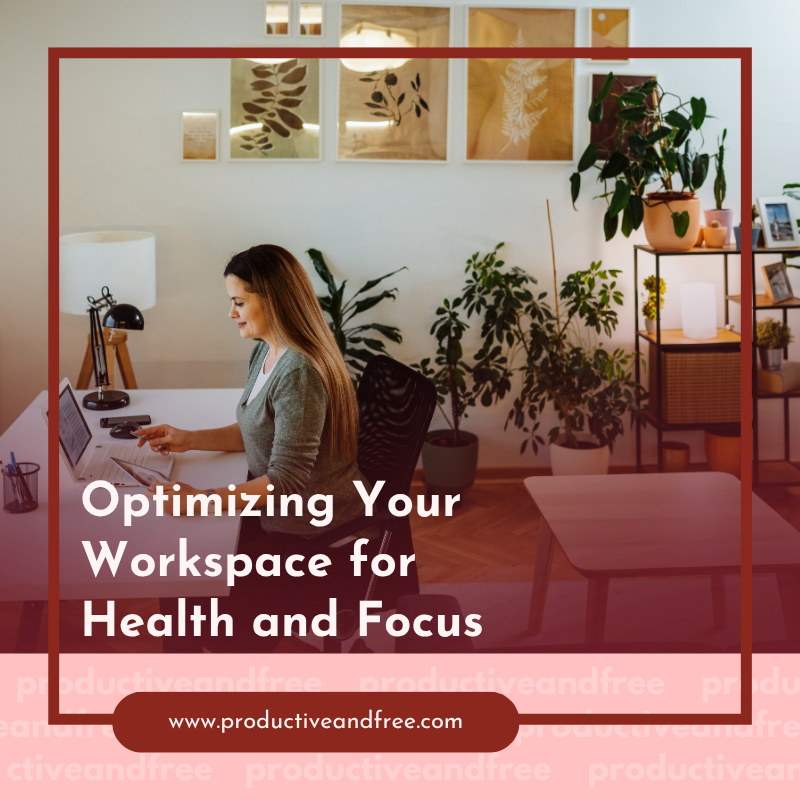
A messy desk or a sticky keyboard might seem like small things, but they can really mess with your workplace focus and motivation. How your physical space looks and feels directly impacts your mind. A cluttered, dirty workspace can drain your energy and make it hard to focus. Getting your environment organized and clean isn't just about appearances; it's a key step to boosting your brainpower and protecting your health. When you understand how a messy workspace secretly costs you and then take steps to keep it tidy, you're setting yourself up for more focused, effective, and healthy workdays.
Clutter's Impact on Cognition
A cluttered workspace doesn't just look messy; it actually makes it harder for your brain to focus. Every item you see, from old coffee cups to piles of papers, sends a signal to your brain. This creates a kind of visual "noise" that fights for your attention, making it tougher to concentrate on what you're doing. Your brain can only process so much information at once. If a lot of that capacity is spent just trying to ignore the clutter around you, you'll have less mental energy left for solving problems and thinking creatively.
This constant, low-level distraction can lead to feeling tired from making decisions and feeling more stressed. Research points to the connection between organization and your brain, showing that a disorganized space can trigger your body to release cortisol, a stress hormone. This can make you feel anxious, overwhelmed, and less motivated. Cleaning up isn't just a chore; it's a way to get back in control and calm your mind. Studies on the mental health benefits of decluttering show that going through this process can make you feel accomplished and improve your mood. Understanding the connection between stress management and cleaning can be a powerful way to clear your head and get more done.
Hygiene and Your Health
Beyond the mental stress of clutter, keeping your workspace physically clean is important for your health. Surfaces that don't get cleaned often collect dust, allergens, and germs. These can cause everything from sniffles and allergies to more serious illnesses. Dust mites, pollen that gets tracked in, and pet dander can all settle on your desk, keyboard, and shelves, triggering allergic reactions that leave you feeling foggy and unwell. This is especially true if you work from a home office, which is often part of your main living space.
If your workspace is in a corner of your living room or at the kitchen table, keeping it clean becomes even more crucial. One study of office environments found that the average desk can have hundreds of times more bacteria than a toilet seat. When your work area also serves as your dining area, the chance of spreading germs goes up. Crumbs, spills, and forgotten messes in a shared space can become breeding grounds for bacteria. So, keeping things really clean isn't just about staying focused, but also about basic food safety and health. For spaces that get a lot of use for both work and daily life, having professional kitchen cleaners periodically can make sure floors, walls, and other deep-seated surfaces are properly sanitized. Looking into the psychology of a clean workspace shows that a clean environment doesn't just prevent sickness; it also gives you a psychological boost, making you feel more in control and well.
Tackling Germ Hotspots
To really keep your workspace healthy, it helps to know where germs like to hang out. Some of the things you touch most often on your desk are also the ones people forget to clean. Knowing these hotspots lets you create a simple, targeted cleaning routine that makes a big difference.
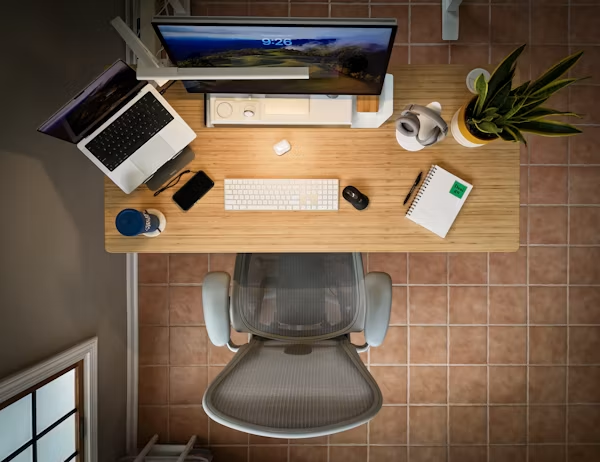
Your keyboard and mouse are big offenders. The tiny gaps between keys can trap crumbs, dust, and skin cells, which are perfect for bacteria to grow. Your phone, which you constantly touch and often hold to your face, is another major hotspot. Also pay attention to:
● Your desk surface, especially where your hands rest.
● The handle and buttons on your office coffee maker or kettle.
● Drawer handles and cabinet pulls.
● Your headset or earbuds.
● The armrests of your chair.
A simple daily and weekly cleaning schedule can keep these areas under control. For your daily routine, use a disinfecting wipe or a cloth lightly sprayed with a suitable cleaner to wipe down your desk, mouse, and phone. For electronics like your keyboard, turn them off, use compressed air to blow out debris, then wipe with a cloth dampened with rubbing alcohol. A more thorough weekly clean should include all these items plus things you touch less often, like your monitor, printer, and chair.
The Role of Professional Maintenance
Daily tidying and weekly wipe-downs are key for a healthy, productive workspace, but some cleaning jobs need more muscle and know-how. Over time, dust, grime, and allergens can build up in spots you can't easily reach, like deep in carpets, inside air vents, or on high walls and ceilings. This is where professional maintenance really helps keep your environment healthy in the long run.
Think of it as hitting the reset button for your whole workspace. Professional services can deep-clean carpets and upholstery, pulling out embedded dirt and allergens that your regular vacuum misses. They have the right equipment to properly clean HVAC systems, which improves air quality and cuts down on the dust and microbes circulating that can affect your breathing. In commercial settings or even large home offices, professionals can quickly sanitize big surface areas, making sure everything is thoroughly clean in a way that's hard to do on your own.
Paying for professional maintenance isn't just about avoiding a chore; it's an investment in your health and staying focused. Knowing your environment has been deeply and professionally cleaned removes a background worry and lets you fully concentrate on your work. It makes sure the foundation of your workspace—the floors, walls, and air you breathe—is as clean and healthy as possible, supporting your productivity goals from the ground up.
Taking charge of how clean and organized your workspace is directly benefits your mental and physical health. Start by clearing one surface today, and get into the habit of a quick wipe-down at the end of each day. You'll probably find that a cleaner space leads to a clearer mind.




























Share in the comments below: Questions go here
Discover the top 5 signs that your hiring process may be driving away talented candidates. Improve your recruitment strategy and attract the best talent today!