
How Do You Protect Yourself From Misinformation and Propaganda
We’ve all seen it happen. People that we respect, trust, or even treat as an authority subject falling down some kind of rabbit hole that sees them hyper-focusing on specific subjects, regurgitating worrisome talking points, and even changing personality in the process. It’s one of the scariest effects of falling prey to misinformation, and it’s becoming easier than ever to fall into as social media and AI shape more and more of our interactions, especially if we spend a lot of time online for business. Whether you’re a researcher, an influencer in the fields of politics or the soft sciences, or simply someone who likes to keep on top of the news, you must develop the skills to avoid falling into misinformation and propaganda, no matter what side it comes from.
Developing Critical Thinking with Multiple Sources
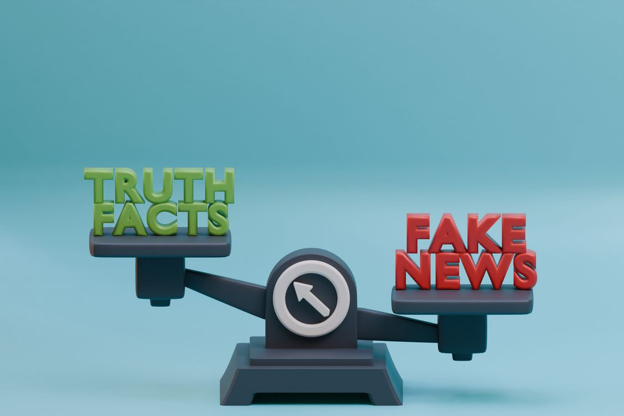
The single best way to protect ourselves against misinformation is to be able to critically verify it (or debunk it) through multiple reliable sources. If you get the entirety of your perspective on a given story or subject from a single article, social media post, or video, then you could be integrating all manners of bias, missing context, and even outright falsehoods into your own understanding. Ensure that sources you trust cite evidence, interviews, data, and official records that you’re able to check. The stronger a stance you intend to take on a given matter, the more important it is that you interrogate it with data from multiple sources.
Protect Yourself Against Emotional Manipulation
If you’re someone who’s clued into politics, social sciences, or other highly contested topics, then you might find yourself listening to influencers, debaters, newscasters, and the like. However, their aim is not always to ensure that you’re well-informed, but to encourage you to share their (or their networks’) views, and not every tactic they use to that end is going to be about developing the most nuanced or informed take. Sensational headlines, dramatic images, and emotionally charged language are commonly used to encourage impulsive sharing and reinforce ideological thinking. Remaining calm and analytic reduces your vulnerability to more emotional appeals.
Learn To Recognize Logical Fallacies
When arguments are driven more by emotion or ideological bias rather than the reality of facts, then logical fallacies tend to get deployed a lot more. These are arguments that are designed to sound compelling but contain heavy errors in reasoning. Common examples include ad hominem attacks, where someone insults a person instead of addressing their argument, and strawman arguments, which distort an opponent’s position to make it easier to criticize. Some sites can help you recognize logical fallacies a lot more easily, too. It’s worth noting that committing logical fallacies doesn’t mean that your argument or perspective is wrong, but it should give you reason to pause and check it more thoroughly for other, more egregious examples of misinformation.
Finding Perspective and Spotting Ideological Bias
Being aware of ideological bias, even your own, does not mean that you have to disregard your principles. In fact, your principles should be strengthened by being able to see how stories and topics are covered from multiple perspectives. For instance, you can use news aggregating platforms that allow you to see how the same story is being covered by different outlets. These platforms also look at the objective factuality and political bias or different outlets to help you better be able to see how those factors lead to differences in framing, language, and emphasis. You can then become a lot better at spotting it yourself when engaging with new sources.
Use Intelligent Data-Sourcing Platforms
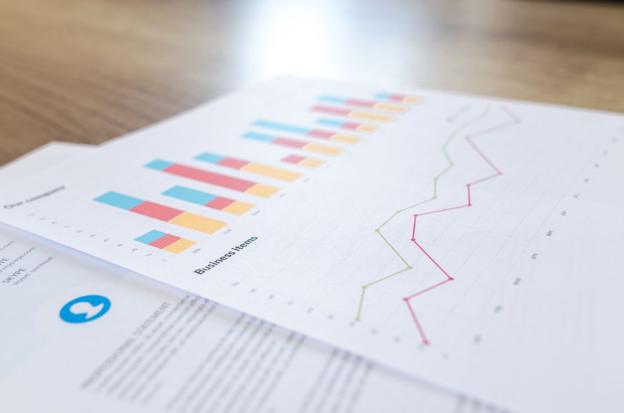
One of the reasons people tend to take misinformation at face value is that, traditionally, researching the data to support their views has been difficult. However, nowadays, that is becoming a lot easier with intelligent data-sourcing platforms that allow you to check out data-backed sources much more intuitively. Being able to ask for specific evidence or data around claims and then provide that can help you quickly check the reality of claims that you read online while supporting (or double-checking) your own beliefs. This can be especially important if you’re putting out content or studies that require data to reinforce your findings and points.
Dig Into the Credibility of Sources
A part of learning how to engage with new sources is determining whether or not they’re trustworthy. You have to be able to evaluate the credibility of websites, journalists, influencers, and organizations. This doesn’t mean adopting a stance of aggressive skepticism and doubt in every case, but you should be able to check out the evidence provided in support of arguments and perspectives, as well as whether or not claims are independently verified. It’s always worth looking into who owns a given network or publication, or who may have contributed, financially or otherwise, to influencers and experts you listen to. Social media platforms often blur the line between professional journalism and personal opinion, making source evaluation even more important.
Learn To Recognize AI-Generated Media
While AI tools can certainly be useful for getting quick answers to questions and finding sources for information and data, it’s also being used more than ever to create fake images, videos, audio recordings, and more that are designed to mislead. Deepfakes and AI-generated media can imitate real people, fabricate events, or spread false information in highly convincing ways. As such, it’s becoming vital to be able to identify warning signs of manipulated content, like incorrect hand shapes, blurred backgrounds, unrealistic reflections, and more. There are AI-checking tools that can be used to help gauge the veracity of the media you see. However, it’s important to know that these tools aren’t always completely reliable and that improvements in AI technology will continue to make fake media even harder to spot. As such, remaining skeptical and verifying sources will become even more important in time.
It is, unfortunately, becoming ever easier to be misled by misinformation campaigns, and there must be real, widespread movements to push back against it. In the meantime, however, you can make sure that you’re protecting yourself against it with the tips above.

























Share in the comments below: Questions go here
Learn how to enhance your medical practice's efficiency without compromising patient care. Explore actionable tips for a better healthcare experience.