
Why Learning Management Skills Can Make Teams More Productive
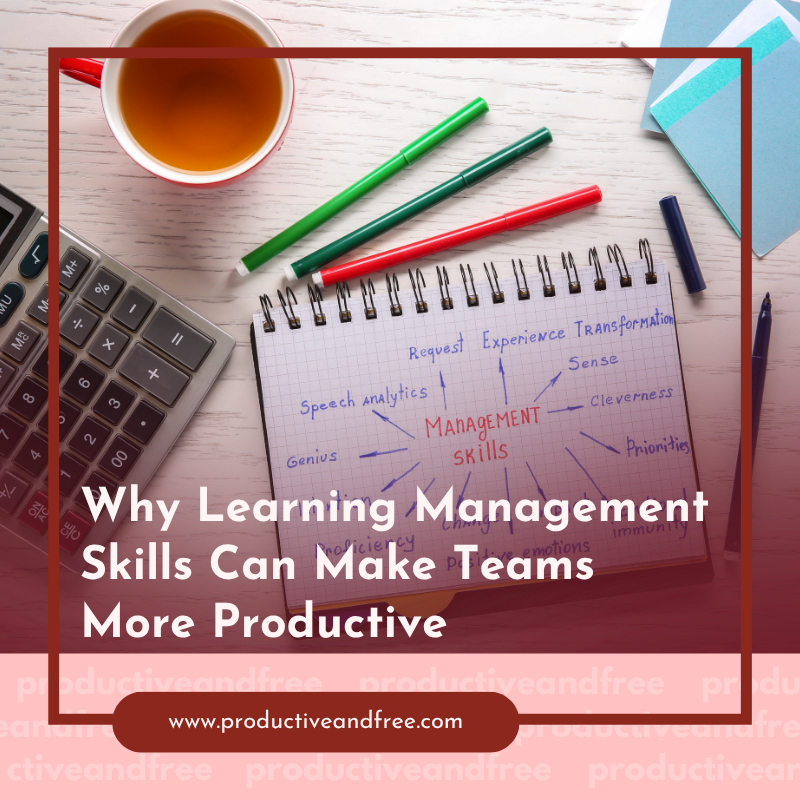
Effective teams are successful because of factors beyond individual talent - these groups require employees who organize responsibilities, communicate expectations, manage priorities and support colleagues during difficulties. Management training helps staff members coordinate work while focusing on collective goals - these abilities improve daily operations, lower confusion and establish a consistent method for task completion. As employees develop these skills, teams are more organized plus productive with less supervision.
Improved Task Organization
Management skills allow employees to categorize tasks by importance, deadlines and available resources. Team members establish priorities and create realistic schedules rather than performing work in a random order - this structure makes it clear which assignments are urgent but also which are for a later time. Strong organization ensures that important responsibilities are neither forgotten nor delayed, which allows staff to use work hours efficiently.
Employees who receive management training are also more capable of coordinating multiple responsibilities simultaneously. They divide large projects into smaller tasks, monitor progress and adjust plans when circumstances change. Understanding workload management prevents staff from feeling stressed when they receive multiple assignments right away - this ability maintains steady progress and helps teams stay productive during busy periods.
Clearer Team Communication
Communication improves when employees learn how to provide specific instructions, share information as well as listen to concerns. Team members are less likely to misunderstand expectations when colleagues explain responsibilities thoroughly. Clear communication also assists in identifying problems before those issues affect deadlines or work quality. Staff members are more confident when they discuss priorities or ask questions about their assignments.
Strong communication is essential when employees collaborate across different roles. Team members often have varying responsibilities and experience levels but management skills help them coordinate efforts. Training shows employees how to provide helpful feedback, resolve small disagreements and keep discussions focused on practical solutions - these actions create an organized environment where collaboration occurs with few interruptions.

Informed Decision Making
Productive teams are often required to make choices without waiting for instructions from senior leaders. Management skills help employees evaluate information, consider resources or determine the best actions to take - these abilities provide a framework for making logical decisions while considering the effects on coworkers and objectives. Informed choices prevent unnecessary delays when routine issues arise.
Decision-making skills are valuable when unexpected problems affect a project. Employees who understand management principles are prepared to assess situations and adjust priorities. Educational programs, like business courses management, provide knowledge about planning, delegation next to leadership. Applying these concepts helps employees respond effectively while keeping projects in motion.
Effective Delegation & Collaboration
Delegation is a vital management skill because productive teams distribute work based on individual ability and availability. Employees who understand delegation identify which tasks are appropriate for specific colleagues instead of trying to complete every assignment alone. Proper delegation creates a balanced workload and allows staff to focus on tasks where their specific expertise is most useful.
Management skills also strengthen collaboration - showing employees how their work affects others. Team members depend on one another plus coordinate deadlines accurately when they share responsibilities effectively - this environment encourages employees to report their progress and support colleagues who encounter difficulties. Better collaboration reduces delays and helps teams complete projects with speed but also accuracy.

Increased Employee Accountability
Management skills encourage employees to take responsibility for their assignments. Individuals recognize if they meet expectations when they know how to set objectives, monitor progress and evaluate results. Accountability involves both identifying mistakes and recognizing successful methods to improve future performance.
Teams are more successful when employees understand how individual tasks contribute to broader goals. Management training helps workers connect daily duties with organizational priorities, which makes work feel significant - this understanding encourages staff to stay focused, meet deadlines as well as ask for assistance when necessary. Accountability creates a workplace where productivity is a collective effort rather than the responsibility of a few staff members.
Conclusion
Management skills provide employees with practical tools for organizing work, communicating, making decisions and collaborating - these abilities improve how teams respond to daily duties and unexpected challenges. When employees understand management principles, they contribute confidently or support the productivity of their colleagues. Investing in the skills creates teams that are prepared to manage workloads, solve problems and reach shared goals.





























Share in the comments below: Questions go here
Learn how managers can help employees prioritize tasks with clear goals, deadlines, communication, planning, technology and workload reviews.