
How Vehicle Security Can Strengthen Business Resilience
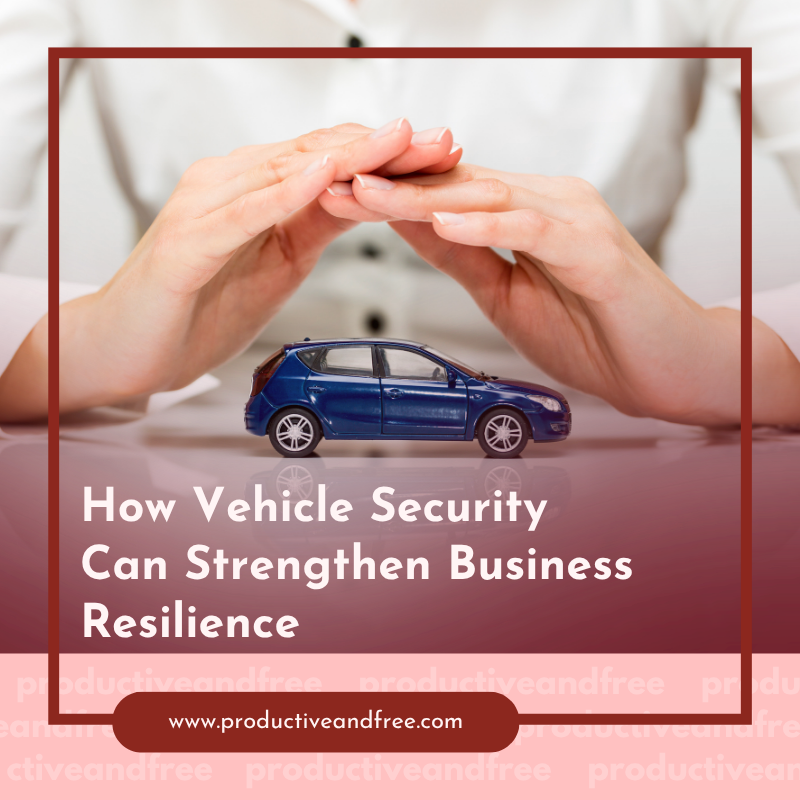
For many businesses, company vehicles are essential for daily operations. If you run a delivery service, a construction company, or a sales team constantly on the road, your fleet is a major investment and a key operational asset. But have you thought about how vehicle security directly impacts your company's overall resilience? Protecting your fleet means more than just preventing theft; it's about keeping your business running, safeguarding employees, and securing your bottom line.
Why Your Company's Vehicles Are More Than Just Transportation
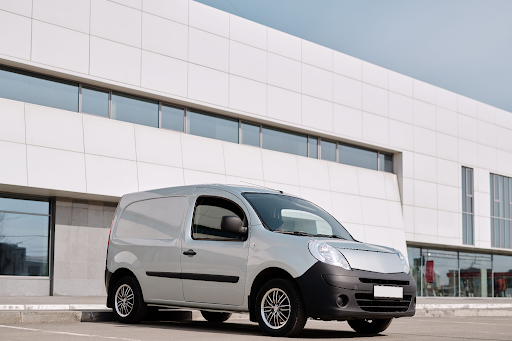
It's easy to think of company cars or vans as just tools for getting from one place to another. But they are much more. They serve as mobile offices for your sales team, moving advertisements for your brand, and secure storage for valuable equipment or inventory. When a vehicle is stolen, damaged, or otherwise taken out of commission, the disruption can be huge. You're not just dealing with repair or replacement costs. You face lost revenue from missed appointments, project delays, and potential damage to your company's reputation if you can't meet client commitments. Seeing vehicles as critical infrastructure is the first step toward better protection.
Physical Security: Protecting Vehicles from Theft and Damage
The most immediate threat to your fleet is physical. This includes everything from break-ins and vandalism in a parking lot to the outright theft of an entire vehicle. While standard measures like high-quality locks, steering wheel locks, and secure parking are crucial first steps, some businesses need a higher level of protection. For companies operating in higher-risk environments or transporting key personnel and valuable assets, additional vehicle protection may be necessary. This can include reinforced door panels and specialized bulletproof glass designed to provide ballistic protection while maintaining essential vehicle functionality and visibility. These upgrades can add another layer of protection for occupants and help businesses prepare for security threats that go beyond ordinary theft or vandalism.
Beyond Alarms: The Rise of Digital Vehicle Security
In today's connected world, physical security is only part of the picture. Modern vehicles are essentially computers on wheels, making them vulnerable to digital threats. GPS tracking is a well-known tool that helps you recover a stolen vehicle quickly, reducing downtime. But the field of automotive cybersecurity is growing fast. Telematics systems do more than just track location; they can also monitor driver behavior, detect unauthorized use, and even remotely disable a stolen vehicle. These systems generate valuable data that can help you optimize routes, improve driver safety, and identify patterns that could reduce operational risks.
Integrating Vehicle Security into Your Overall Resilience Plan
A resilient business can anticipate, withstand, and recover from disruptions. Vehicle security should not be an afterthought; it needs to be part of your broader strategy for protecting your business. Start by assessing your risks. Which vehicles are most critical? What are the most likely threats they face? Your plan should include clear procedures for drivers, protocols for responding to an incident, and a clear chain of command for managing the situation. This integrated approach ensures that when an incident happens, your team can respond quickly and effectively to minimize the impact on your operations.
Training and Policies: The Human Element of Vehicle Security
Even the most advanced technology is only as effective as the people using it. Your employees are your first line of defense. A strong security culture begins with clear policies and consistent training. Make sure every employee who uses a company vehicle understands the security protocols. This includes simple things like always locking doors and not leaving valuables in plain sight, as well as more complex procedures for reporting suspicious activity or responding to a theft. Regular training reinforces these habits and keeps security a priority. When your team is vigilant and well-prepared, you significantly reduce the chance of preventable incidents.
Ultimately, improving vehicle security is a direct investment in your company's stability and longevity. By proactively protecting these vital assets, you're not just preventing theft; you're building a more robust and resilient business ready for whatever challenges come its way.

























Share in the comments below: Questions go here

Maximize productivity by streamlining your field operations. Explore effective solutions that drive efficiency and elevate your team's performance!