
7 Tips For Improving Staff Training
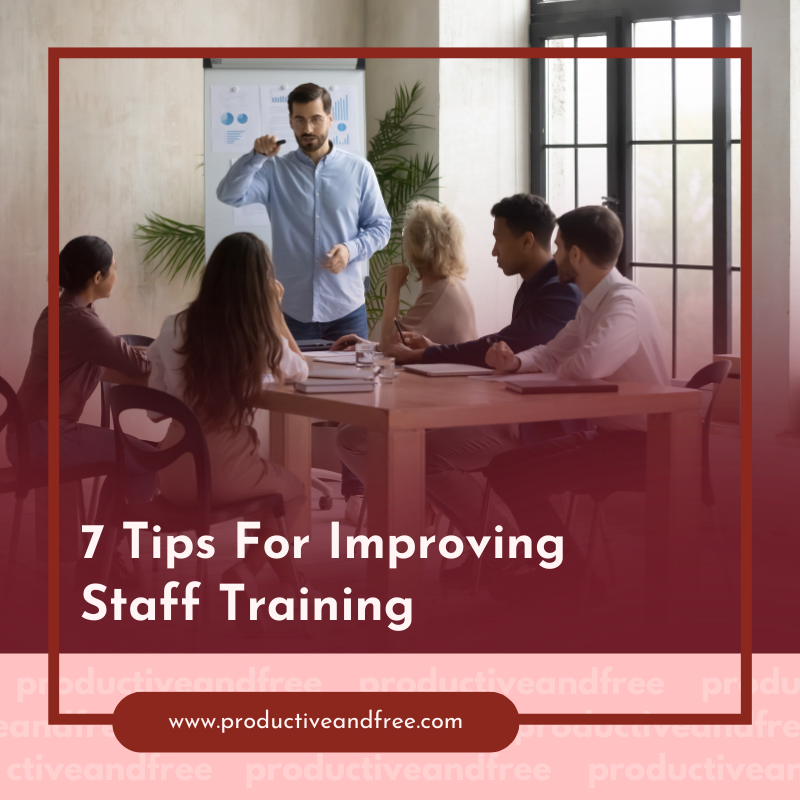
Building a strong team requires a strong employee training program. From focusing on real-world scenarios to providing refreshers, there are many training improvements that your company can consider. Below are 7 examples of ways to train smarter.
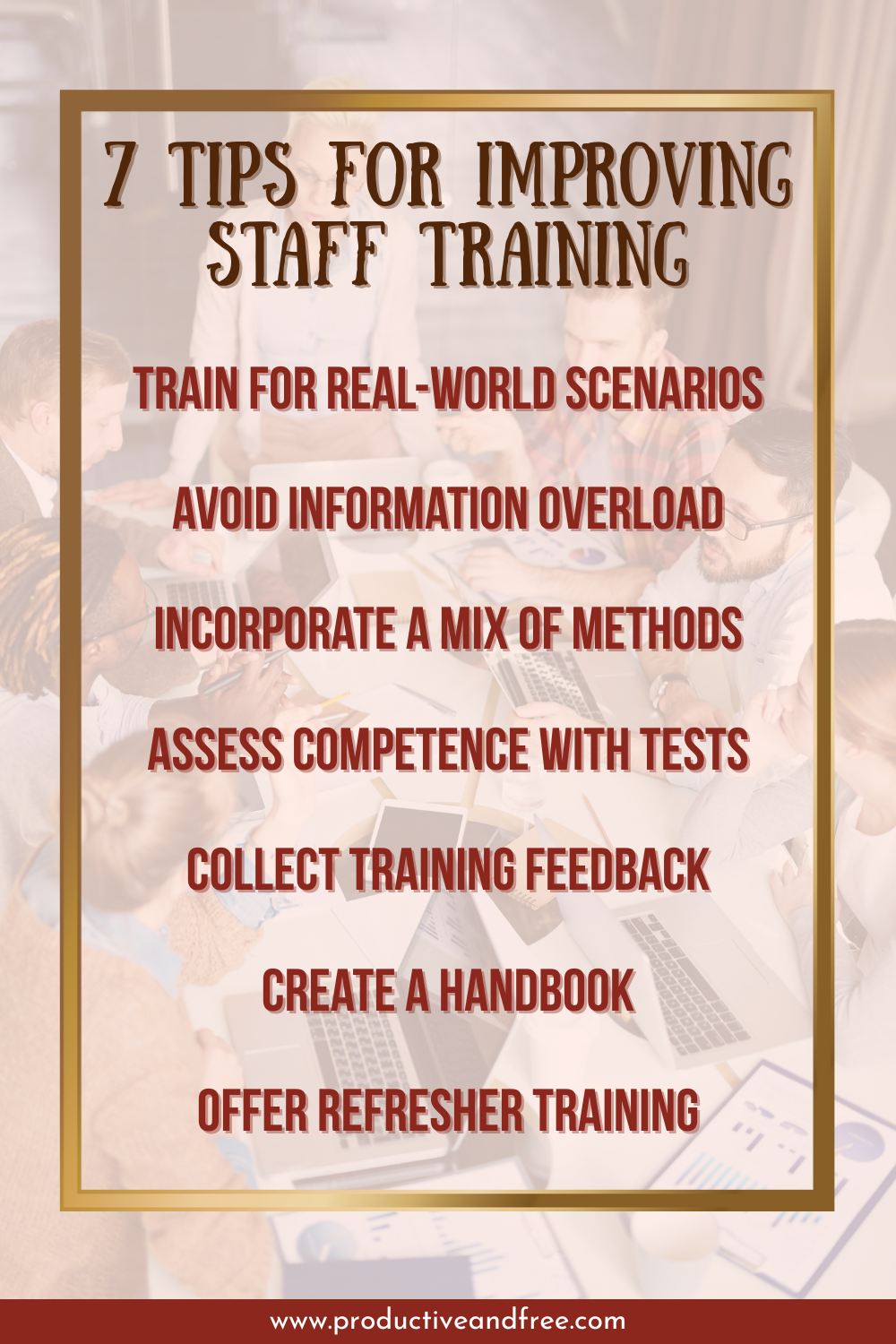
#1 Train for real-world scenarios
It’s vital that employees are trained using realistic workplace scenarios. When trying to get staff members to picture situations, try to bring up real experiences you’ve had or reference real events that other companies have to deal with and use these as case studies (such as learning from cyberattacks other companies have experienced). Role-playing can be a great way to train employees for real-world scenarios, but it has its limits - know when to pair new staff with experienced colleagues to shadow them so that they can see real interactions or projects in operation.
#2 Avoid information overload
A lot of employers rush the training process and try to cram as much information as they can into training sessions. This can result in recruits getting overwhelmed and forgetting information. To prevent this, gradually introduce new information to recruits. Get them started on the most basic and fundamental tasks - for example, start by teaching bar staff to collect, wash and put away glasses, and then move onto how to pour drinks and accept payments, before going onto more complex tasks like changing beer barrels. This can also include small service details, such as where to place glasses, menus, or custom drink mats, so new staff understand the full customer-facing routine.

#3 Incorporate a mix of methods
Don’t just rely on lectures to train employees. Consider demonstrations, e-learning and hands-on training. Try to work with recruits to find their learning style and cater to this - some employees learn better through instructions, others through visuals, others by doing tasks in person and others by writing things down.
#4 Assess competence with tests
Be careful of training employees and then throwing them straight into work without first testing their skills - especially when it comes to high-stakes tasks. Use role-plays to practise and test competence so that you know an employee is ready for real-life work situations. You can also test knowledge through online tests via apps or a website.
But for skills that are harder to measure with a simple quiz, like communication, teamwork, confidence, and leadership, then you might honestly want to look into a soft skills AI tool, since this can add another useful layer. It helps employers get a clearer idea of where staff are doing well and where they may need more support, instead of relying only on gut feelings or one-off observations during training.
#5 Collect training feedback
To get a good idea as to what employees think of the training, consider asking for feedback. You could do this using a training evaluation form or through in-person meetings. Keep a record of this feedback and compare results - this will flag up common complaints that you need to address, while also highlighting parts of the training that recruits find valuable.
#6 Create a handbook
Occasionally we all need to be reminded of certain policies and protocols. An employee handbook can give employees information to reference if they forget how to do a task. This could be a physical handbook or a digital handbook in the form of an app or digital document. Having a handbook in place can prevent the need for new recruits to constantly ask experienced employees for assistance, using up less of their time.
#7 Offer refresher training
Over time, employees may try to create shortcuts or forget certain company rules and tips. Refresher training can help to identify where employees may be slipping up. It can also be a chance to introduce new policies or train employees how to use new tools. You could also time refresher training around the introduction of new products and services.
Pin or save this post for later!





















Share in the comments below: Questions go here

Discover how to boost productivity in your service business by automating key processes. Streamline operations and focus on what truly matters!