
Before the Scroll and Beyond the Screen: Digital vs. Traditional Marketing Explained
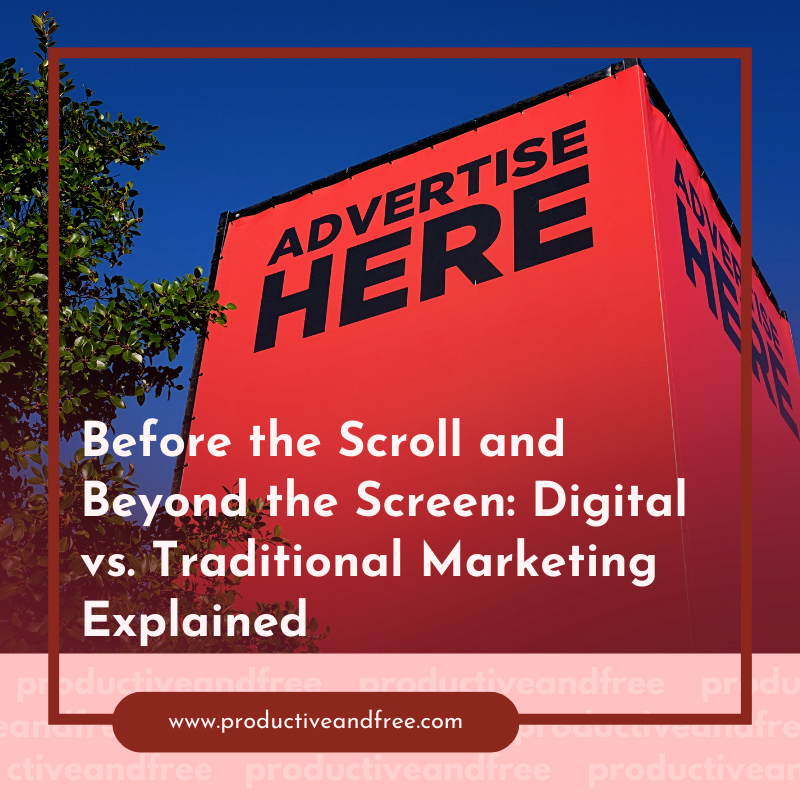
Marketing didn’t begin online. Before boosted posts and email campaigns, businesses relied on being seen in real life. Flyers were handed out at intersections. Posters were taped to walls. Billboards stood along highways hoping someone stuck in traffic would look up. Ads showed up in newspapers and on TV between evening shows. It wasn’t complicated — you showed up physically and trusted that repetition would do its job.
Now everything feels faster. Most marketing lives on screens. We scroll past ads without thinking. We click, swipe, close, and move on in seconds. Because of that shift, it’s easy to assume traditional marketing is outdated. But it’s not that simple. The two just work differently.
What Traditional Marketing Brings to the Table
Traditional marketing is anything offline — print ads, brochures, tarpaulins, radio spots, TV commercials, event booths. It focuses more on visibility than precision. You’re not narrowing down to a super-specific audience. You’re putting your brand out there and letting it be seen.
There’s something powerful about physical presence. A billboard can’t be skipped. A store sign doesn’t disappear because someone refreshed a page. When people see a brand repeatedly in their environment, it starts to feel familiar. And familiarity often turns into trust. For local businesses especially, this matters. Being visible in the community makes a brand feel stable and real.
The downside is that you don’t always know what’s working. You can’t easily track how many people noticed your poster or decided to visit because of a radio ad. Results show up slowly. Sometimes you just feel the impact instead of seeing it on a dashboard.
Why Digital Marketing Took Over
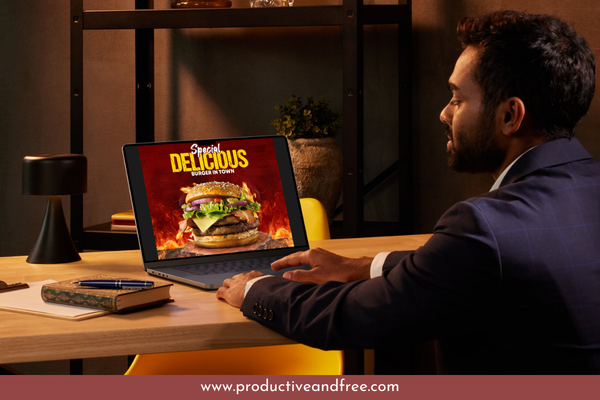
Digital marketing became popular because it gives clear feedback. You can see clicks, views, shares, sign-ups — sometimes within minutes. That kind of data makes businesses feel more in control. If something isn’t working, you adjust it. If something performs well, you scale it.
It’s also more flexible. You can change your budget anytime. You can test different messages. You can target specific groups instead of broadcasting to everyone through content marketing. For new businesses especially, that flexibility makes digital marketing feel safer and more practical.
But online space is noisy. Everyone is advertising. Feeds are crowded. People scroll quickly and ignore most things. Algorithms change, trends come and go, and attention spans are short. Being online doesn’t automatically mean being noticed.
Choosing One Isn’t the Goal
It doesn’t really have to be one or the other. In real life, they often work together. Someone might see a flyer, then check the brand on Instagram. They might hear a radio ad, then Google the business later that night. Offline exposure creates awareness. Online platforms continue the conversation.
When both are aligned, marketing feels smoother. Traditional builds presence. Digital builds interaction. One helps people recognize you. The other helps them engage with you.
The Bottom Line
Different people pay attention in different places. Some discover brands while scrolling before bed. Others notice them while driving, shopping, or walking past a storefront. Good marketing understands that people don’t live in just one space.
At the end of the day, it’s not about platforms. It’s about being visible, clear, and consistent. Whether that happens on a screen or on a street corner is just the method — not the whole story.
Elevate your business with a strategic corporate event plan. Explore the benefits of effective planning for brand growth and impactful networking opportunities.

Turn your property into a powerful income-generating asset. Explore strategies to unlock its potential for passive income and secure your financial future!
Maximize productivity by streamlining your field operations. Explore effective solutions that drive efficiency and elevate your team's performance!
Learn how managers can help employees prioritize tasks with clear goals, deadlines, communication, planning, technology and workload reviews.
Discover how small businesses can leverage AI technology to streamline website launches, enhancing efficiency and reducing time to market.
Learn how data-driven insights can empower small business owners to make informed decisions and boost their success. Start transforming your strategy now!
Explore the hidden effects of your business environment on success. Learn how to leverage these insights for strategic growth and improved performance.
Enhance your business efficiency by avoiding costly interruptions. Explore effective strategies to streamline operations and drive success!
Discover the top 5 signs that your hiring process may be driving away talented candidates. Improve your recruitment strategy and attract the best talent today!
Transform your e-commerce operations with powerful tools that boost efficiency and streamline your business processes for optimal performance.
Unlock the secrets to financial resilience for business owners. Equip yourself with practical tips to strengthen your financial foundation and ensure stability.
Ensure your business runs smoothly with our expert strategies to maximize uptime and eliminate delays. Discover how to enhance efficiency today!
Is your marketing data at risk? Delve into the silent threats that could undermine your efforts and find out how to protect your critical information.

Explore the hidden costs of manual processes in insurance claims. Find out how optimizing workflows can significantly improve productivity and profitability.
Learn the vital role of strong documentation in boosting business security. Explore how it safeguards data, streamlines processes, and mitigates risks effectively.
Transform your sales approach with expert tips on outbound sales. Propel your growing business to new heights with actionable insights and strategies.

Uncover the benefits of workplace safety investments. Explore how prioritizing safety can improve employee morale and drive financial returns for your business.
Discover effective strategies for making informed decisions as your business expands. Learn to navigate growth challenges with confidence and clarity.
Enhance your business efficiency by streamlining operations with innovative cloud-based tools designed for seamless collaboration and productivity.
Ready to elevate your small business? Learn simple AI steps you can start using today to enhance productivity and drive growth effortlessly!
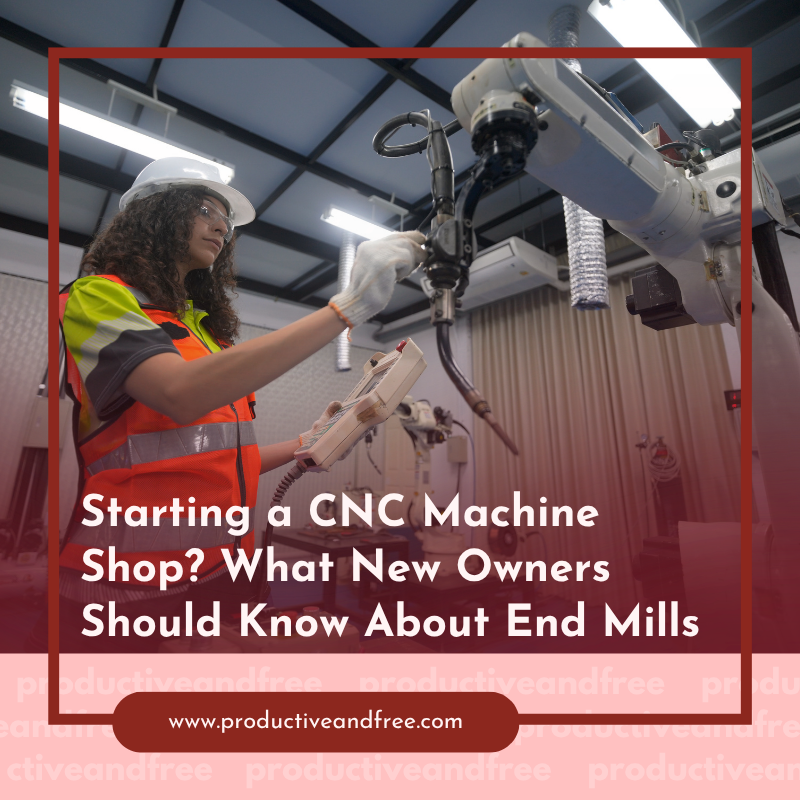
Discover essential tips for new CNC machine shop owners about end mills. Learn how to choose the right tools for precision and efficiency in your projects.
Unlock the secrets to sustainable success with The Green Business Blueprint. Learn to incorporate eco-friendly practices into your daily operations today!

Unlock the potential of your kitchen! Learn how investing in the right equipment can elevate your business efficiency and improve overall performance.
Learn why integrating a smooth online store is crucial for boosting your email list growth. Transform your business strategy and engage customers like never before!
Discover how local sports and fitness hubs can foster a culture of emergency readiness, ensuring safety and preparedness for all participants.

Learn how to overcome operational challenges with cutting-edge smart hardware solutions that promote industrial continuity and streamline processes.
Unlock the secrets to building a reliable online payment system for high-risk merchants. Enhance security and streamline transactions effortlessly!
Ready to reclaim your time? Learn how to automate your business effectively and focus on what truly matters. Start your journey to efficiency today!

Uncover the hidden signs of ant infestations that pest control professionals notice. Equip yourself with knowledge to keep your home ant-free!
Share in the comments below: Questions go here
Ready to launch your dream business? Explore essential tips for finding the perfect opportunity that fuels your entrepreneurial ambitions.