
How Startups Can Unite Marketing and Sales to Win More Customers
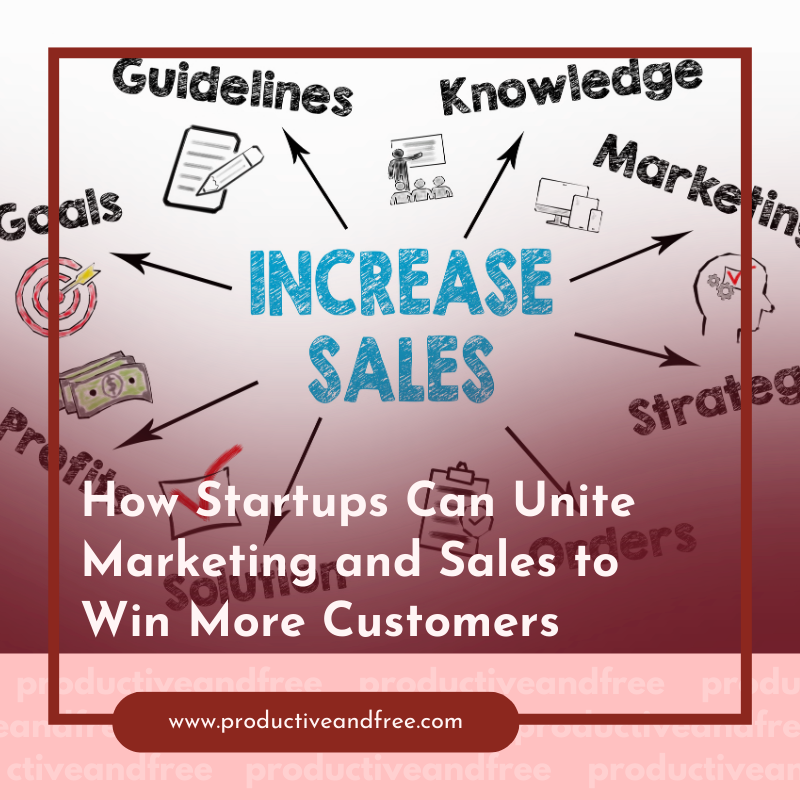
For startup founders building an early-stage company, the busiest weeks often create a quiet split between marketing and sales. Marketing and sales alignment breaks down when priorities change daily, roles blur, and feedback gets lost, turning normal early-stage startup challenges into persistent team friction. The cost shows up fast: messy lead management, mixed messages to prospects, and handoffs that stall deals. When those gaps pile up, the revenue growth impact is real and avoidable.
Quick Summary: Align Marketing and Sales
● Set shared revenue goals so marketing and sales prioritize the same outcomes.
● Align messaging so every touchpoint tells one clear story that builds trust.
● Define lead qualification criteria so handoffs stay smooth and follow-up happens faster.
● Expect shorter sales cycles when both teams coordinate around the same process.
● Strengthen customer relationships by working together from first interest through closing and beyond.
Understanding Why Marketing and Sales Clash
A quick clarification helps. Marketing and sales friction in startups usually comes from mismatched targets, mixed messages, and different definitions of a “good lead.” When each team optimizes for its own scoreboard, collaboration starts to feel like constant cleanup.
This matters because the cost shows up fast in missed revenue and wasted time. When lead standards are fuzzy, teams can lose deals that were never a fit, and 67% of sales lost can be tied to poor qualification. Shared goals, consistent positioning, and clear lead criteria keep effort focused on customers who are ready.
Picture a relay race where no one agrees on the handoff point. Marketing sprints to deliver names, while sales waits for buyers with urgency and budget. A simple agreement on what “qualified” means turns the handoff into momentum.

Plan → Track → Hand Off → Learn Together
Marketing and sales alignment sticks when it has a cadence, not a one-time kickoff. This lightweight workflow gives you a shared path from attention to revenue, with clear checkpoints so prospects do not disappear between tools, meetings, or inboxes. Teams with strong alignment can see meaningful downstream gains, so it is worth making this repeatable.
| Stage | Action | Goal |
|---|---|---|
| Plan the week | Agree ICP, offer, and one pipeline focus | One message, one target, one priority |
| Launch and capture | Run campaigns; tag every lead source in CRM | Clean tracking from first touch |
| Qualify together | Use one checklist; confirm pain, timing, authority | Shared definition of “sales-ready” |
| Handoff with context | Send notes, assets consumed, and next step | Sales starts warm, not guessing |
| Follow-up and nurture | Sequence touches; recycle not-ready leads | Momentum without pressure or drift |
| Review and adjust | Audit wins, losses, and stalled leads | Fix gaps; refine criteria and copy |
Each stage feeds the next: tracking makes qualification faster, qualification makes the handoff clean, and a clean handoff makes follow-up feel personal. The weekly review closes the loop so your criteria and messaging get sharper over time.

Common questions about marketing and sales alignment
Q: What are the common causes of friction between marketing and sales teams in early-stage startups?
A: Friction usually comes from unclear definitions of a “qualified” lead, mismatched expectations about speed to follow up, and missing context like what content a prospect consumed. It also happens when teams track results in different places, so nobody trusts the numbers. Start by agreeing on one shared lead status list and one place to log notes.
Q: How can startups create workflows that ensure smooth lead handoffs between marketing and sales?
A: Use a simple handoff checklist that includes source, problem statement, relevant pages viewed, and the suggested next step. Keep it in a shared spreadsheet, then share an uneditable version (for example, convert Excel files to PDFs before sending) to prevent edit conflicts and “final_v7” chaos. Set one daily handoff cut-off time so both sides know when to look.
Q: What practical strategies help align marketing and sales goals to prevent prospects from falling through the cracks?
A: Tie both teams to a shared metric like sales accepted leads plus a response-time target, not just clicks or calls. Use a single channel for quick clarifications and capture decisions in a lightweight one-page “rules of engagement” doc. It helps that effective communication increases team productivity, so small habits can compound fast.
Q: Can you provide examples of effective and ineffective lead handoffs, and the impact they have on conversions?
A: Effective: “CEO at 20 to 50 person SaaS, asked about pricing, watched demo, wants onboarding timeline, book Thursday.” Ineffective: “Inbound lead, call them” with no context, which often leads to generic outreach and slower replies. The effective version makes the first sales touch feel personal, so more prospects stay engaged.
Q: If a sponsor offers marketing automation tools, how can these tools support startups in synchronizing marketing and sales without adding more meetings?
A: Use automation to standardize fields, route leads based on clear rules, and attach activity history to each record so sales is not guessing. Set alerts for key actions like pricing-page visits and create auto tasks for follow-up, so alignment happens inside the workflow. Tools that reduce back-and-forth matter because meeting times by up to 30% can be saved when updates are captured asynchronously.

Acting as One Revenue Engine to Earn More Loyal Customers
When marketing and sales run on separate stories and spreadsheets, leads slip, cycles drag, and founder motivation takes the hit. The way forward is the mindset of one revenue engine: shared goals, shared language, and marketing-sales synergy that stays visible in everyday work. Put that approach into practice and increased conversions start to feel less like luck and more like a repeatable system, with customer loyalty growing because prospects experience one consistent promise from first touch to renewal. Alignment turns two teams into one clear customer journey. Pick one small alignment practice to start this week, one shared definition, one handoff update, or one weekly check-in, and protect it on the calendar. That simple commitment is how a growth-driven culture becomes steadier revenue, healthier teams, and a business built to last.
Don Lewis
Don Lewis created Ability Labs to help family members of people with disabilities. When Don’s son, Randy, was a junior in college he was in a terrible motorcycle accident and suffered a severe head trauma among many other injuries. From that day on, Randy’s physical and cognitive abilities have changed, but he’s still Don’s favorite person in the world. Through Randy’s journey, Don has learned a lot about how different life is for people who are differently-abled. Don believes that everyone is special and no one should be defined by their unique abilities. He hopes Ability Labs will inspire others to promote or even adopt this way of thinking.












Share in the comments below: Questions go here
Elevate your marketing game! Learn how to optimize your strategies for maximum impact and achieve your business goals effectively.