
The Benefits of Employee Leave Management Software for Remote and Hybrid Teams
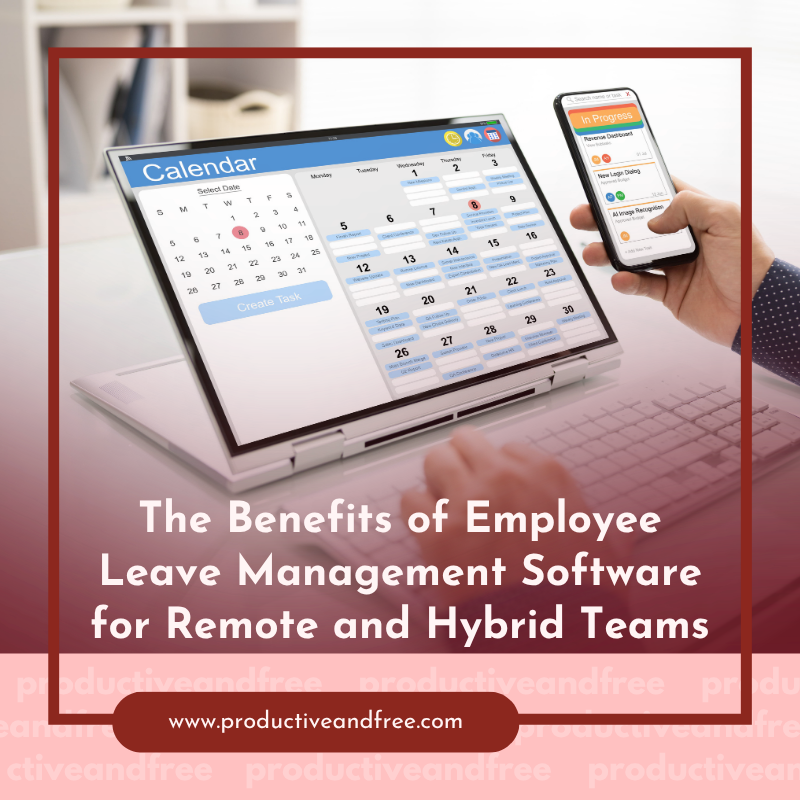
Employee leave management software helps remote and hybrid teams keep time-off requests clear, fair, and easy to track.
When employees work from different cities, time zones, and schedules, leave planning can quickly become messy.
A manager may approve one person’s vacation in Slack, another request may sit in an email thread, and someone else may forget to update the shared calendar.
That is how coverage gaps happen.
For teams that want a cleaner way to manage PTO, sick leave, holidays, and approvals, employee leave management software can bring everything into one organized place.
Why Leave Tracking Gets Harder with Remote and Hybrid Work
In a traditional office, managers often notice who is out, who is available, and who may need backup.
Remote work removes that visibility.
A team member in Los Angeles may be signing off just as a coworker in New York is starting the day.
Another employee may be working hybrid hours and only coming into the office twice a week. These coordination challenges become even more pronounced for organizations using nearshore software development Colombia to expand engineering capacity. While nearshore teams provide the advantage of close time-zone alignment, effective leave management remains essential for maintaining sprint continuity, planning project coverage, and ensuring that distributed developers, QA engineers, and product teams stay synchronized during planned absences without disrupting delivery schedules.
Without a clear absence management system, everyone starts guessing.
I have seen teams lose hours simply trying to confirm who approved a leave request.
One person checked the email.
Another checked chat.
The manager checked a spreadsheet that had not been updated in two weeks.
That kind of confusion creates stress for employees and extra work for managers.
Centralized Time-Off Requests Reduce Confusion
A digital leave tracking system gives employees one place to submit requests.
Managers can review requests, check balances, and approve or deny them without digging through messages.
This keeps the process consistent.
It also avoids the awkward situation where one employee gets a faster approval simply because they asked in the right channel.
For remote teams, this matters even more.
Employees need to know that PTO requests are handled fairly, even when they are not physically present.
Better Visibility Helps Teams Plan Ahead
One of the biggest benefits of employee leave management software is visibility.
Managers can see upcoming absences before they become a problem.
Teams can plan project deadlines around scheduled vacations, public holidays, and personal leave.
This helps prevent last-minute scrambling.
For example, if two developers request time off during the same product launch week, the system can flag the conflict early.
That gives the manager time to adjust workloads instead of reacting at the last minute.
Automated Leave Balances Save Time
Manual PTO tracking is risky.
Spreadsheets can break.
Formulas can be overwritten.
Old balances can be copied into new files by mistake.
A leave management platform can automatically calculate available leave, used leave, pending requests, and remaining balances.
Employees no longer need to ask HR how many days they have left.
Managers no longer need to manually check records before approving time off.
This saves time and reduces errors.
Approval Workflows Keep Everyone Accountable
Remote and hybrid teams often have multiple layers of approval.
An employee may need approval from a direct manager, department head, or HR.
When this process happens manually, requests can get stuck.
A digital workflow keeps the request moving.
Notifications remind the right person to take action.
Employees can also see the status of their request without sending follow-up messages.
That small detail improves trust.
Nobody likes wondering whether their vacation request disappeared into someone’s inbox.
Compliance Becomes Easier to Manage
Leave policies are not just about convenience.
They also affect labor compliance, payroll accuracy, and employee records.
Different locations may have different rules for sick leave, family leave, holidays, and carryover balances.
A structured leave system helps HR teams apply policies consistently.
It also creates a clear record of requests, approvals, dates, and balances.
That record can be valuable during audits, payroll reviews, or employee disputes.
Employees Feel More in Control
Good leave planning is not only an HR issue.
It directly affects employee morale.
When workers can easily check their leave balance and submit requests, they feel more in control of their time.
This is especially important for remote employees who may already feel disconnected from company processes.
A clean self-service portal removes friction.
It gives employees quick answers without making them wait for HR.
That creates a better employee experience.
Managers Can Protect Team Coverage
Approving time off is not just about saying yes or no.
Managers need to protect deadlines, client work, customer support, and team capacity.
A workforce leave management tool can show who is out, when they are returning, and whether coverage is available.
This helps managers approve requests with confidence.
It also helps them avoid burnout.
When managers can see absence patterns, they can notice when certain employees are not taking enough time off.
That can be just as important as tracking who is away too often.
Payroll Accuracy Improves
Leave data often connects directly to payroll.
Paid time off, unpaid leave, sick days, and holiday pay must be recorded correctly.
When leave data is scattered, payroll mistakes become more likely.
An integrated absence tracking system helps payroll teams use accurate records.
This reduces disputes over paychecks.
It also saves HR from having to correct errors after payroll has already been processed.
Real-Life Example: The Friday Problem
A hybrid team I worked with had a recurring Friday problem.
Several employees liked taking Fridays off because it made long weekends easier.
At first, managers approved requests one by one without checking the full team calendar.
Then one Friday arrived with three people out, one person sick, and only one employee available to handle client questions.
Nothing terrible happened, but everyone felt the pressure.
After the team moved to a centralized leave calendar, that problem became easy to spot.
Managers could see overlapping requests before approving them.
Employees also became more aware of busy periods and planned time off more thoughtfully.
Remote Teams Need Clearer Communication
Remote work depends on clarity.
People cannot rely on hallway conversations or quick desk check-ins.
That is why leave tracking should be visible, structured, and easy to understand.
A shared absence calendar helps employees know who is available.
It also helps project managers assign work more realistically.
When people know who is out, they make better decisions.
Hybrid Teams Need Flexible Leave Policies
Hybrid teams often have more complex schedules.
Some employees work from home most days.
Others come into the office on fixed days.
Some may have flexible hours or compressed workweeks.
Leave management tools help HR teams apply policies without losing track of these differences.
They can support PTO, sick leave, personal days, unpaid leave, remote workdays, and company holidays.
That flexibility makes the system more useful for modern workplaces.
Less Admin Work For HR
HR teams should not spend their day chasing leave forms.
They should be focused on people, culture, hiring, retention, and compliance.
A digital leave management process removes repetitive admin tasks.
Requests, approvals, balances, calendars, and records can all live in one place.
This gives HR more time for higher-value work.
It also reduces the chance of human error.
Better Data Leads to Better Decisions
Leave data can reveal useful patterns.
HR may notice that burnout increases during certain months.
Managers may see that one department is constantly understaffed.
Leadership may discover that employees are not using their PTO.
These insights can guide better staffing, scheduling, and wellness decisions.
Good data helps companies move from guessing to planning.
What To Look for in a Leave Management System
A strong system should be easy for employees and managers to use.
It should include leave requests, approval workflows, balance tracking, absence calendars, reporting, and policy customization.
Mobile access is also helpful for remote teams.
Integrations with payroll, HR software, and calendars can make the system even more effective.
The best tool is not always the most complicated one.
It is the one employees actually use.
Final Thoughts
Remote and hybrid teams need simple systems that remove confusion.
Leave tracking should not depend on memory, spreadsheets, or scattered messages.
The right platform helps employees request time off, helps managers protect coverage, and helps HR maintain accurate records.
When leave is easier to manage, teams work with less stress and more trust.

























Share in the comments below: Questions go here
Ready to launch your dream business? Explore essential tips for finding the perfect opportunity that fuels your entrepreneurial ambitions.