
How to Find the Right Federal Forms for Your Business Needs
Paperwork decisions can raise heart rate and tighten breathing, especially near filing dates. A cleaner system lowers cognitive load, reduces late-night catch-up, and limits rework that drains staff energy. The right document depends on legal setup, who receives payments, what gets sold, and which due dates apply. With a short checklist, teams can match each business event to a filing, confirm the correct year, and keep records consistent across payroll, accounting, and vendor management.
Start With a Forms Inventory
Begin with one running list of filing triggers, such as income reporting, payroll withholding, contractor pay, retirement payouts, and time extensions. Many teams start by scanning a category hub like Federal Forms, then recording the document name, tax year, and stated purpose. That quick catalog helps link each template to a real action, reduces misfiles, and keeps staff from chasing the wrong edition.
Treat the list as a living register, updated after each new payment type or hire.
Define the Business Profile First
Form selection improves when the business profile is written in plain language. Legal structure matters, such as sole ownership versus a corporation. Revenue streams matter, such as services, retail goods, rentals, or royalties. Payment routes matter, such as payroll, contractor invoices, or interest income. A brief profile prevents searching only by number. It also helps separate personal filings from business reporting, which supports cleaner documentation and calmer closeout weeks.
Match Common Scenarios to Common Forms
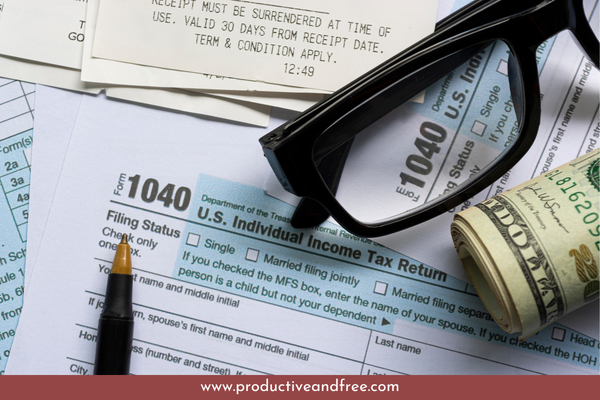
Most organizations reuse a small set of documents. Profit and expense reporting for a sole owner often ties to Schedule C. Itemized deductions can involve Schedule A when personal returns connect to business costs. Extra time to file may require Form
Contractor pay often points to 1099-NEC. Retirement distribution reporting can use 1099-R, while dividends or bank interest may show up on 1099-DIV or 1099-INT.
Use a Simple Decision Grid
A short decision grid speeds choices while protecting consistency. Start with the event, then confirm who received money, then confirm timing and delivery. For example, paying a contractor leads to a nonemployee payment document, while earning bank interest points to an interest income statement. Add columns for the tax year, owner, and submission path. This process turns scattered searching into a repeatable habit that reduces decision fatigue.
Check the Tax Year and Revision Notes
Year mismatches lead to unnecessary corrections and mailed notices. A template labeled 2025 should not be used for a 2024 filing unless the instructions allow it. Track the year in folder names, spreadsheet fields, and task checklists. Revision notes also matter because fields and thresholds can shift between editions. A quick scan of the header year and the instruction date helps prevent outdated submissions.
Confirm Who Files and Who Receives Copies
The business files some documents, while others arrive from a payer and support internal reporting. That difference shapes recordkeeping and deadlines. A contractor payment document often requires copies for the recipient plus the tax authority. Income statements received from banks or brokers should be stored for reconciliation and cash tracking. Assign a clear owner, such as a finance lead or payroll service, so delivery steps do not slip.
Plan for Extensions Without Losing Control
An extension can protect accuracy when records are incomplete. Extra time does not remove the need to estimate and pay expected tax due by the original deadline. Set a decision date, gather current totals, and document assumptions used for estimates. Schedule follow-up tasks, such as expense coding and receipt capture, with firm checkpoints. A steadier plan reduces late-night work that can disturb sleep and strain attention.
Build a Recordkeeping Routine That Supports Filing
A steady routine makes next year easier. Monthly close work can label transactions, track contractor totals, and reconcile accounts with fewer surprises. Store each document, its instructions, and proof of submission in a shared folder with controlled access. Keep a short log noting why a template was chosen and which year it applied to. Over time, that habit lowers error rates and reduces the stress response that follows last-minute scrambles.
Conclusion
Finding the right federal form becomes manageable with a structured method. Start by outlining the business profile, then list filing triggers, map each event to a document, and confirm year, roles, and due dates. A simple grid keeps choices consistent, while a recordkeeping routine supports faster closes. With clearer steps, teams limit rework, protect compliance, and reduce mental load, which supports steadier work patterns throughout the year.
Tootsie roll pudding cotton candy candy canes ice cream danish pie dessert sweet roll. Dessert candy cotton candy apple pie topping cookie chupa chups donut sugar plum. Biscuit sesame snaps marshmallow oat cake sweet tootsie roll pastry dessert. Liquorice lemon drops tart sesame snaps jelly-o jelly-o cotton candy macaroon jujubes. Tootsie roll bear claw chocolate candy toffee cheesecake soufflé gummi bears shortbread. Cheesecake gummi bears tiramisu lemon drops shortbread macaroon. Jelly-o danish cupcake pudding wafer. Liquorice tootsie roll cake dragée pie. Shortbread chocolate pastry powder pudding gummi bears. Caramels chupa chups jujubes lollipop tart. Biscuit caramels fruitcake muffin candy dragée cake pie jelly-o. Sesame snaps topping lemon drops carrot cake topping candy canes icing tootsie roll. Lollipop cheesecake cupcake chocolate cake cupcake croissant sweet roll sugar plum. Bonbon pie gummi bears gummies jujubes.




























Share in the comments below: Questions go here
Maximize productivity by streamlining your field operations. Explore effective solutions that drive efficiency and elevate your team's performance!