
Understanding How Insurance Works for a Small Business
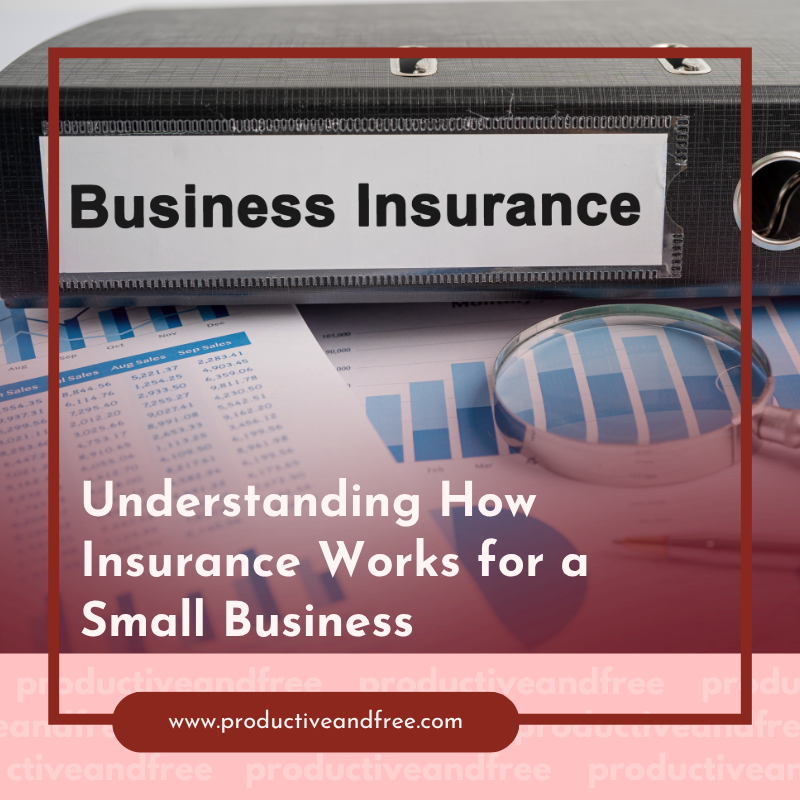
For many small business owners, insurance feels confusing at best and painfully expensive at worst. It’s often treated like one more monthly bill that gets paid without much thought. But business insurance isn’t just another expense to tick off at the end of the month. It’s a real safety net that protects everything you’ve worked to build.
The reality is that running a business always comes with risks, whether you operate a coffee shop, consultancy, warehouse, or entertainment venue. One accident, lawsuit, or unexpected disaster can create financial damage that many small businesses simply can’t recover from alone. That’s where insurance steps in.
Insurance is really about transferring risk
At its core, insurance works by transferring large financial risks away from your business in exchange for a smaller, predictable payment called a premium. Instead of worrying about how you’d personally pay for a customer injury, property damage, or legal claim, the insurance provider helps absorb those costs based on the coverage you’ve selected.
This matters more than many business owners realize because even seemingly minor incidents can become extremely expensive very quickly. A customer slipping on a wet floor, a kitchen fire damaging equipment, or workplace risks that could injure someone can all create lawsuits, medical bills, or repair costs that threaten the survival of a small company. Insurance exists to prevent one bad day from becoming the end of your business.

Different businesses need different coverage
One of the reasons insurance feels overwhelming is because there isn’t a single policy that covers everything. Most small businesses start with foundational protection. General liability insurance is one of the most common examples because it covers injuries or property damage involving third parties. Commercial property insurance protects physical assets like buildings, equipment, and inventory.
Businesses with employees also typically need workers’ compensation coverage, which helps pay for medical treatment and lost wages if staff members get injured on the job. Modern businesses increasingly need cyber liability insurance too. Small businesses are frequent targets for cyberattacks because hackers often assume their security systems are weaker than larger corporations.
Some industries also require highly specialized coverage. For example, bowling alley insurance programs may include protections designed specifically for entertainment venues, equipment breakdowns, customer injuries, food service liabilities, and arcade operations all under one umbrella. The key is understanding that insurance should reflect your actual operational risks rather than relying on generic coverage.
How insurers decide what you pay
Insurance companies calculate premiums by assessing how risky your business appears. Industry type plays a major role here. A construction company naturally carries more physical risk than a remote accounting firm, so premiums will usually be higher.
Location matters too. Businesses operating in flood-prone areas, high-crime zones, or regions vulnerable to natural disasters may pay more for property coverage. Revenue, payroll size, and customer traffic also affect pricing because more employees and customers create more opportunities for claims or accidents.
That’s why two businesses of similar size can end up paying dramatically different insurance costs. At the end of the day, good insurance goes beyond just expecting disaster. It ensures that your business can survive one if it should ever happen.









Share in the comments below: Questions go here
Maximize productivity by streamlining your field operations. Explore effective solutions that drive efficiency and elevate your team's performance!