
How Businesses Are Managing Growing Data Storage Needs in 2026
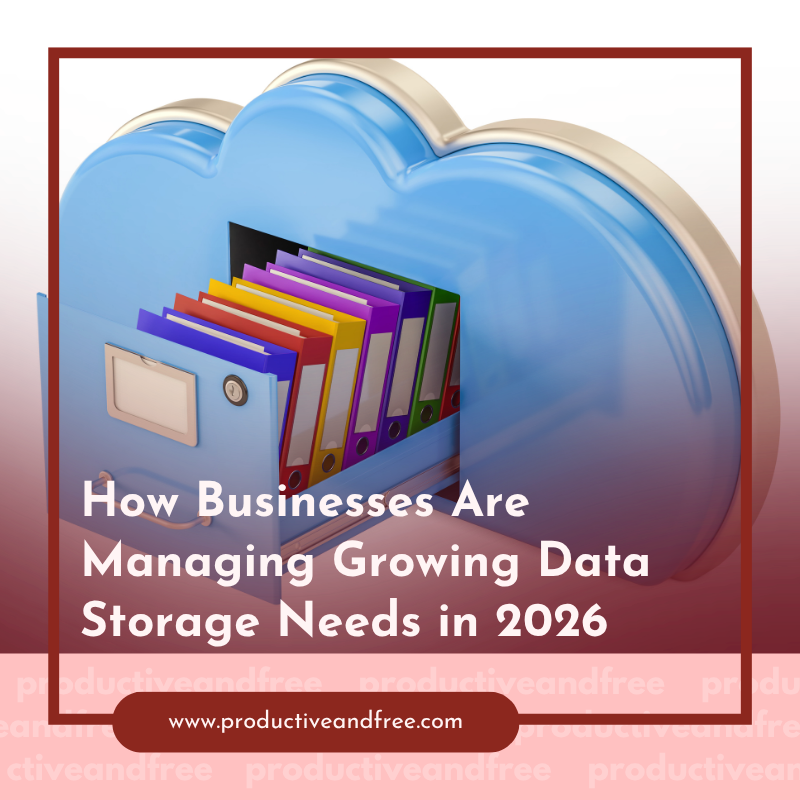
Data is among the most valuable business assets you have. It contains customer information, operational records, and marketing content, among other things. The reality is that your organization is likely generating and storing more data this year than ever before. That makes data storage planning essential to do right, no matter the size of your business.
Organizations relying on cameras, mobile devices, and digital equipment often purchase wholesale memory cards to ensure they have enough storage available while staying within the 2026 operational budget. Having dependable storage media can improve daily tasks, whether supporting several company devices or maintaining security systems.
Security Systems Are Generating More Data
Taking up a significant amount of data storage is video surveillance, which many businesses use. High-definition security cameras may be used to monitor facilities, protect assets, and improve workplace safety. Companies with multiple locations often need storage strategies that can support several surveillance cameras at the same time.

Employees on the Go Need Extra Storage Space
Many organizations now equip employees with smartphones, tablets, and specialized mobile devices to help them work remotely or on the go. Sales representatives, technicians, and delivery teams often use these devices to access documents, take photos, record videos, and compile customer details. These gadgets can also improve employee productivity, as they often allow employees to continue working even in areas where internet connectivity is unreliable.
Drones are Changing the Tech Scene
In construction, agriculture, and engineering, drones are often used to gather information. High-resolution photos, videos, and mapping data provide insights that can help organizations make better decisions. Drones can collect large amounts of data, making reliable storage media essential. It must be able to be stored safely and transferred in a reliable way without risking data loss.
What about Digital Displays?
In corporate offices, healthcare facilities, and retail stores, digital displays are becoming more common. For example, retailers may use digital displays to share company announcements or event schedules, while healthcare organizations display health reminders and emergency notifications. These systems rely on media files to display current info. Reliable storage solutions help businesses maintain consistent digital messaging, reduce downtime, and experience fewer tech issues.
About Backup and Data Transfer
Both backup and data transfer remain everyday activities for many businesses in 2026, despite cloud services being popular. Yes, physical storage is still needed. Many organizations use portable storage devices to move files between locations and create backups.
Often, a company’s storage strategy combines cloud services with physical storage options to provide what many consider the best of both worlds. That can significantly reduce the risk of data loss.
Conclusion
As businesses continue to use connected devices, automated tools, and more, storage requirements will continue to increase. Those that plan for growing data needs will stay relevant and continue to scale up with fewer issues. Investing in reliable storage solutions makes more sense than ever in 2026. Partnering with trusted storage providers can help organizations have access to the capacity and performance they need while supporting future growth and tech upgrades.

Elevate your business with a strategic corporate event plan. Explore the benefits of effective planning for brand growth and impactful networking opportunities.

Turn your property into a powerful income-generating asset. Explore strategies to unlock its potential for passive income and secure your financial future!

Maximize productivity by streamlining your field operations. Explore effective solutions that drive efficiency and elevate your team's performance!
Learn how managers can help employees prioritize tasks with clear goals, deadlines, communication, planning, technology and workload reviews.

Discover how small businesses can leverage AI technology to streamline website launches, enhancing efficiency and reducing time to market.
Learn how data-driven insights can empower small business owners to make informed decisions and boost their success. Start transforming your strategy now!

Explore the hidden effects of your business environment on success. Learn how to leverage these insights for strategic growth and improved performance.
Enhance your business efficiency by avoiding costly interruptions. Explore effective strategies to streamline operations and drive success!

Discover the top 5 signs that your hiring process may be driving away talented candidates. Improve your recruitment strategy and attract the best talent today!
Transform your e-commerce operations with powerful tools that boost efficiency and streamline your business processes for optimal performance.
Unlock the secrets to financial resilience for business owners. Equip yourself with practical tips to strengthen your financial foundation and ensure stability.

Ensure your business runs smoothly with our expert strategies to maximize uptime and eliminate delays. Discover how to enhance efficiency today!
Is your marketing data at risk? Delve into the silent threats that could undermine your efforts and find out how to protect your critical information.

Explore the hidden costs of manual processes in insurance claims. Find out how optimizing workflows can significantly improve productivity and profitability.
Learn the vital role of strong documentation in boosting business security. Explore how it safeguards data, streamlines processes, and mitigates risks effectively.

Transform your sales approach with expert tips on outbound sales. Propel your growing business to new heights with actionable insights and strategies.

Uncover the benefits of workplace safety investments. Explore how prioritizing safety can improve employee morale and drive financial returns for your business.
Discover effective strategies for making informed decisions as your business expands. Learn to navigate growth challenges with confidence and clarity.
Enhance your business efficiency by streamlining operations with innovative cloud-based tools designed for seamless collaboration and productivity.
Ready to elevate your small business? Learn simple AI steps you can start using today to enhance productivity and drive growth effortlessly!
Discover essential tips for new CNC machine shop owners about end mills. Learn how to choose the right tools for precision and efficiency in your projects.
Unlock the secrets to sustainable success with The Green Business Blueprint. Learn to incorporate eco-friendly practices into your daily operations today!

Unlock the potential of your kitchen! Learn how investing in the right equipment can elevate your business efficiency and improve overall performance.
Learn why integrating a smooth online store is crucial for boosting your email list growth. Transform your business strategy and engage customers like never before!
Discover how local sports and fitness hubs can foster a culture of emergency readiness, ensuring safety and preparedness for all participants.

Learn how to overcome operational challenges with cutting-edge smart hardware solutions that promote industrial continuity and streamline processes.

Unlock the secrets to building a reliable online payment system for high-risk merchants. Enhance security and streamline transactions effortlessly!
Ready to reclaim your time? Learn how to automate your business effectively and focus on what truly matters. Start your journey to efficiency today!

Uncover the hidden signs of ant infestations that pest control professionals notice. Equip yourself with knowledge to keep your home ant-free!
Share in the comments below: Questions go here
 Productive and Free
STRATEGIC TIME-SAVING TEMPLATES TO HELP YOU GROW YOUR DREAM BUSINESS
Ready to launch your dream business? Explore essential tips for finding the perfect opportunity that fuels your entrepreneurial ambitions.