
How Design-Build Construction Improves Project Efficiency
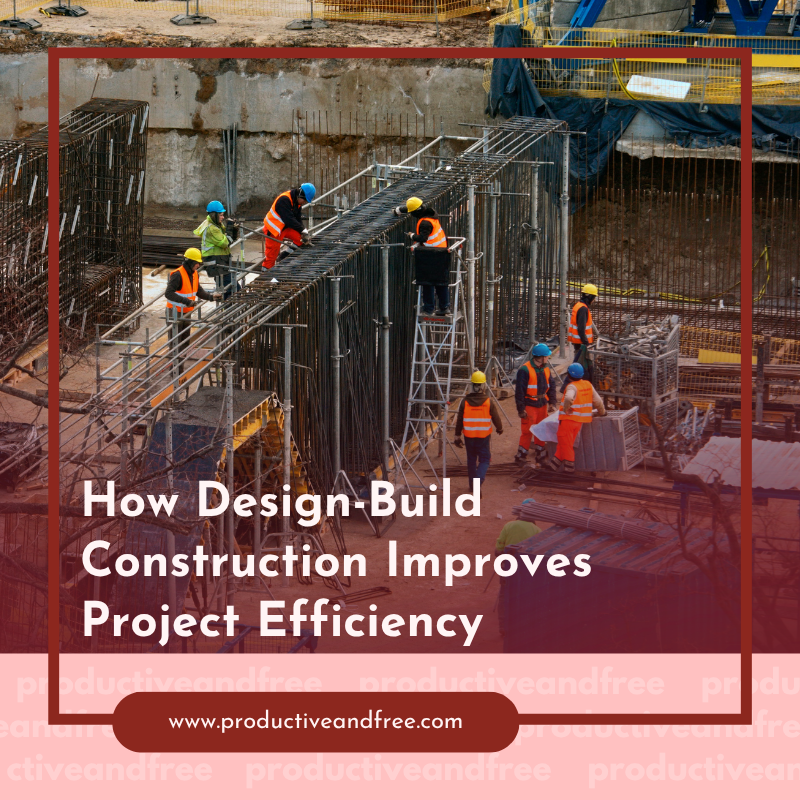
Any type of construction build can come with its own set of problems, with no project ever really going smoothly or without a hitch. The traditional construction nightmares of delay, finger-pointing between architects and builders, as well as ballooning budgets, are all inevitable but something that can be largely avoided if approached properly.
The design-build model is considered the modern antidote to these inefficiencies as it involves one entity, one contract, and a unified team. This is versus the design-bid-build routine that involves segmented phases and separate contracts.
By merging the design and construction phases together, design-build helps in eliminating administrative friction, keeping budgets firmly on track, and accelerating timelines.
The Power of Single-Source Accountability
With one team and one contract, it helps to eliminate what often becomes a blame game of who is right and who is wrong.
A single point of contact where everything goes through and to, simplifies the project immensely for the owner. In contrast, the use of a traditional model is often one where owners get stuck having to mediate disputes between architects and contractors.
Reducing that conflict is important not only to improve relationships but to ensure everything continues moving along at the pace you want it to as the project leader or owner.
With collaboration, it ensures blueprints are being checked before any ground is broken. Being proactive with the constructability of the blueprints in the beginning, it helps prevent costly mid-project corrections.
The power of single-source accountability certainly makes a big difference in the productivity of the project itself, regardless of the scale.
Shaving Months Off the Timeline
For any project leader or owner of a construction project, the classic phrase of ‘time means money’ is certainly the case when it comes to project length. The more of a timeline you have to deal with, the longer everything is likely to take.
Design-build allows for site excavation and foundation work to begin while the final interior design details are still being drawn up or tweaked to make right. That overlapping of phases is important to fast-track your construction schedule.
Skipping the length of the traditional secondary bidding phase, it helps save weeks or even months to your timeline. Eliminating the procurement gaps is something that not every construction project has the forethought to do until it’s too late and delays begin to happen.
Early collaboration helps ensure the team is able to order the long-lead materials like custom HVAC units or structural steel, well ahead of time. That helps in avoiding those supply chain bottlenecks.
Design projects often deliver faster than most traditional routes, which is why it’s beneficial to adopt this change for your next project.
Continuous Budgeting and Value Engineering
When it comes to design-build construction, it’s all about getting used to real-time cost control and being predictable when it comes to the finances. The builder you use should be providing continuous cost feedback as the architect draws, preventing that sticker shock that usually comes at the end of the design phase.
It also helps to budget more realistically and to do so consistently throughout the timeline of the project. The use of alternative materials and efficient building methods should also be something that’s integrated into the initial concept. Rather than forcing an expensive redesign later on.
Consistent and detailed financial tracking across all project phases is crucial for maintaining budget predictability and avoiding unexpected overages. This includes meticulous record-keeping for materials, labor, and change orders as they occur, not just at project milestones. Accurately generating a G702-style pay application helps with transparent billing and tracking payment applications, ensuring all parties are clear on the financial standing. Such tools automate calculations for retainage and schedule-of-values, which significantly reduces the administrative burden and potential for errors in financial reporting. This precision supports better cash flow management for contractors and clearer oversight for owners.
None of these digital tools are useful if the underlying systems aren't running reliably. This is where dependable IT support for construction companies becomes essential, keeping project management software, financial tracking tools, and communication platforms functioning smoothly across every phase of the build. Downtime or data loss at a critical stage can undo the very efficiency design-build is meant to deliver, making technical infrastructure just as important as the construction process itself.
A unified team helps in lowering the risk of legal disputes and claims, which all help in protecting the owner’s bottom line.
Top Tips for Picking Contractors for Construction Projects
The best way to improve the construction project efficiency and effectiveness is by choosing the right contractors. But how do you go about selecting the right one?
1. Verify credentials and insurance
Always request proof of public liability insurance, typically between $2 to $5 million depending on the project size. You should also consider the employer’s liability insurance.
Be on the lookout for accreditations. Look out for certifications from trusted national bodies like the FBM or Government-backed schemes like TrustMark. For the larger builds, it’s good to consider a quick background check via Companies House to ensure the business is stable.
2. Inspect past work and get references
Ask to see a current project by visiting live sites. A clean and organized site, as well as meeting professional workers in person, is a great way of knowing whether or not they’re reliable for your next project.
It’s good to speak with any previous clients you can get in touch with. Ask for at least three references from the selected contractors. Ideally, for projects that have been completed in the last one to three years. That way, you can properly evaluate the longevity of their workmanship.
3. Solicit and evaluate multiple quotes
It’s good to get at least three bids and send the same drawings and specifications so that you can fairly compare pricing across the market.
Be wary of the cheap bids. Anything unusually low can often be indicative of a red flag for hidden costs, corners cut, or future scope creep to come in. Clarify which tasks, like the electrics and plumbing, will be handled in-house versus through outsourcing.
4. Focus on project management and communication
Communication is imperative to gauge their responsiveness. The way they handle your early inquiries is usually a good reflection of how they’ll be able to handle crises during construction.
If you’re asking how they manage delays and coordinate overlapping trades, this will help you separate the high-quality builders from those who you might want to avoid.
5. Get everything in writing
Never proceed on just a verbal agreement alone; it needs to be in writing and signed by all parties involved. Ensure your contract will outline everything from timelines, payment schedules, and a dispute resolution process.
Check what guarantees they provide for their workmanship and the materials that they source.
Embrace the Future of Efficient Construction
Unified teams create faster timelines, lower costs, and reduce stress for the owner. Frame design-build not just as a trend but as a strategic business decision for any modern project owner. Consider the benefits of design-build construction for your project.


















Share in the comments below: Questions go here
Maximize productivity by streamlining your field operations. Explore effective solutions that drive efficiency and elevate your team's performance!