
The Importance of Building the Right Professional Network
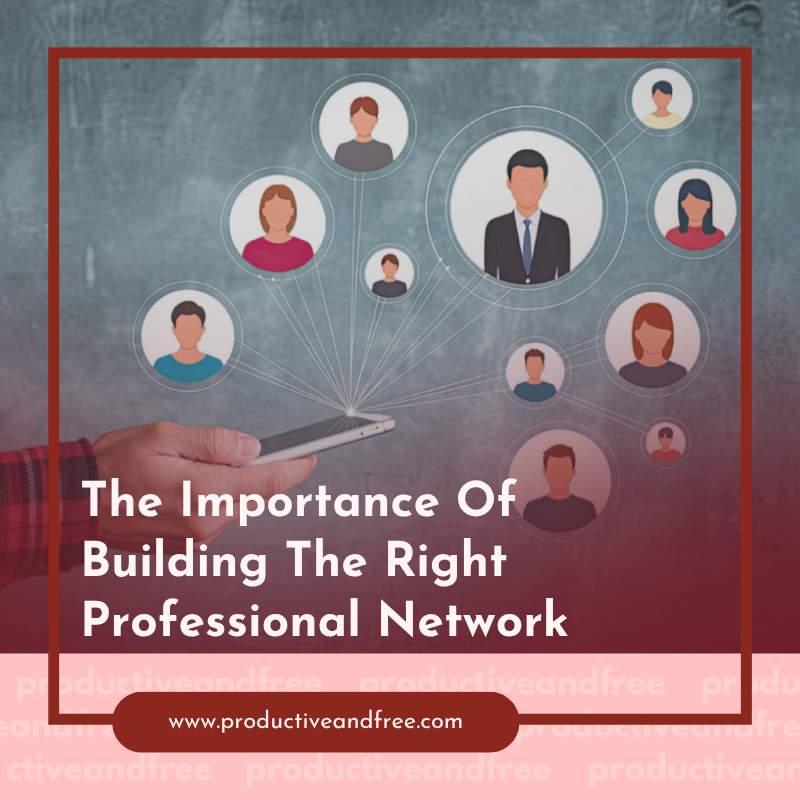
When people hear the word ‘networking’, they’ll probably imagine a room full of people they have to introduce themselves and make small talk with, and for a lot of them, that’s not really going to appeal. Yes, it can work really well, and it has been working well for decades, but it’s not the best for everyone, which is why some people might avoid them completely.
The problem is that professional networking itself is actually very important, especially now when so many industries move quickly and opportunities tend to come through people, conversions, recommendations, and relationships rather than just reaching out completely cold. So with that in mind, keep reading to find out more about the importance of building the right professional network.
Networking Isn’t Just About Finding Work
One thing people sometimes get wrong is that networking isn’t just about trying to get jobs or clients - a good professional network can help with all kinds of things, including advice, support, collaboration, confidence, learning new skills, industry knowledge, partnerships, and generally feeling a lot more connected to the kind of work you’re doing.
What we mean is that sometimes the value comes much later as well because relationships built now can end up being useful years down the line. And the reality is that careers don’t usually move in perfectly straight lines anymore, so having good professional connections can help people adapt more easily when new opportunities pop up.
The Right Connections Are Better Than More Connections
You might assume that networking is basically about collecting as many contacts as possible, but the truth is that that’s not really the most helpful way to do things.
The reality is that a smaller network of genuinely useful, supportive, and, crucially, relevant connections is usually a lot more useful than hundreds of people who hardly know you at all. Strong professional relationships come from real conversations, shared interests, and staying connected rather than just adding people online and never speaking to them again afterwards.

Modern Networking Is Different Now
Networking itself has actually changed a lot because people don’t need to rely on traditional in-person business events to make good connections anymore. Now you’ve got online communities, industry groups, virtual events, collaborative platforms, social media, and professional networking spaces, for example, and they’ll allow people to connect a lot more naturally, even when they’re working remotely or in different locations entirely.
That flexibility has made networking a lot more accessible for people who might have found traditional networking intimidating or uncomfortable before, and platforms like CircleHub are the kind of thing people really want now.
Networking Helps People Stay Visible
Another important thing about networking is visibility because it’s a lot easier for opportunities to find people who stay active and connected in their own industry, for example.
That doesn’t mean you’ve got to constantly be promoting yourself aggressively obviously, but staying involved in conversations, sharing ideas, and staying visible professionally tends to mean people are going to naturally think of you when opportunities come up later on. After all, people are going to trust and remember people they keep seeing all the time.
Confidence Often Builds Gradually
A lot of people avoid networking because they feel awkward, inexperienced, or maybe just worried that they don’t have anything useful to say or contribute just yet. But the thing to remember is that confidence with networking usually happens slowly and comes through practice rather than just automatically being there right from the start.
The fact is that most people are going to feel at least a bit uncomfortable at first, especially in unfamiliar professional situations, but the important thing is realising that networking doesn’t always need to feel forced or performative, and it’s actually usually more like having conversations, sharing interests, and building relationships naturally - which can take a while.
Strong Networks Create More Opportunities
Professional networks often end up opening doors people didn’t even realise existed, and that’s one of the most exciting and important things of all .
The fact is that things like recommendations, collaborations, referrals, partnerships, speaking opportunities, freelance work, mentorships, and career changes can all come from personal relationships that you build up slowly but surely. And because industries change all the time, having people around you who understand what you do can be massively valuable.
Networking Can Help People Feel Less Isolated
Something else that’s really important, especially now, is that professional networking can actually help people feel a lot less isolated in their work. That’s because a lot of people work remotely now, they run businesses alone, they freelance, or they just spend huge amounts of time working by themselves, and although that flexibility can be great in some ways, it can also start feeling a bit disconnected after a little while.
However, with proper professional connections, people have a lot more help and they’ll feel like they don’t have to work everything out all by themselves, even if they’re technically alone. Sometimes it’s just about having people around you who understand the industry, complete with the pressures, problems, and all the ups and downs that come with it. And on top of that, being able to ask questions, share ideas, vent frustrations, or just talk to people who understand what you do can make a big difference.
Final Thoughts
Building the right professional network is important because careers and opportunities often come from the relationships you’ve got, and how visible you are, and not just through your qualifications and experience.
And networking usually works best when you stop thinking about it as networking, at least in the traditional sense, and start thinking about it as a way to build some genuine professional relationships instead.
One more thing - networking also becomes more valuable the longer you do it, so don’t give up right away just because you don’t think you connected with anyone; it’s going to take time and patience, but there’s always the chance that a conversation that seems so small can easily turn into an opportunity, collaborating, recommendation, or friendship further down the road.

























Share in the comments below: Questions go here
Maximize productivity by streamlining your field operations. Explore effective solutions that drive efficiency and elevate your team's performance!