
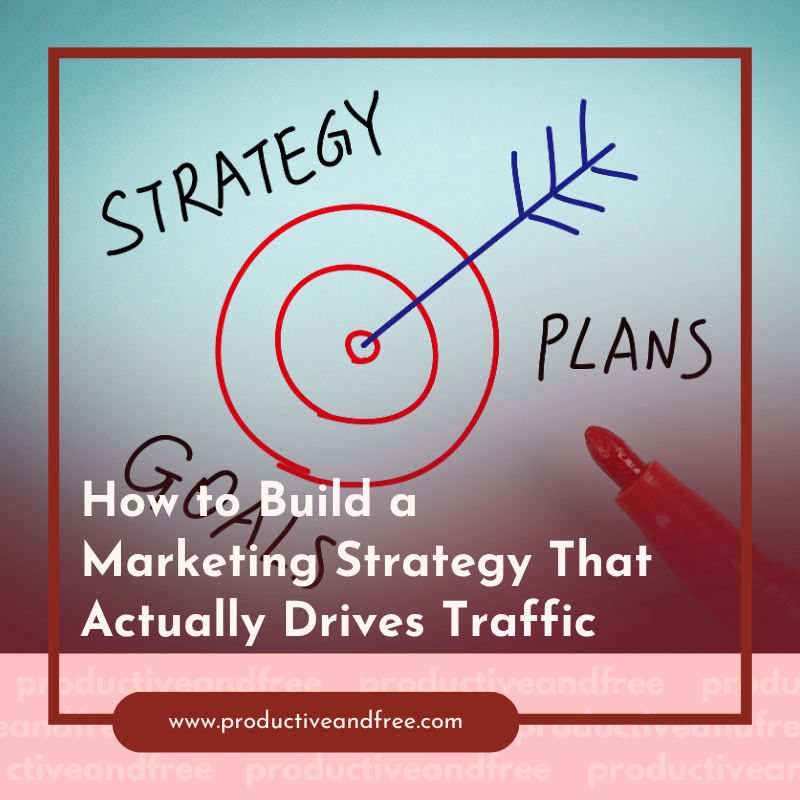
So many marketing campaigns go to waste because they weren't created with a clear plan. Because there wasn't enough planning put in place, nor enough research carried out before sending out marketing materials. And while it might feel urgent and you want to get the ball rolling as soon as possible, doing so without putting the right foundations to build from will usually end up in failure.
If you want to avoid the common pitfalls of failed marketing campaigns or make sure your marketing budget works hard for its money, these tips can help you build a marketing strategy that delivers results.
Define Your Target Audience
Before any content goes out, any plans are made, or ideas hashed out, you need to define your target audience, or else you are building your marketing campaign on sand, and things will crumble before you get going.
You need to move past broad categories such as “small business owners” or "young professionals". You need to narrow down exactly who you're looking for and who is looking for you.
Think of the specific places they'll be online, where they spend their time, and what kind of language and tone resonates with them. A campaign for Gen Z, for example, needs to be vastly different from a campaign for boomers. From here, pin down any questions they might have, what they have in common, and what questions they're likely to ask before buying. The better the picture of the ideal customer you build prior to starting any marketing, the more likely you'll be to create a marketing campaign that hits, not just wastes your money. For B2B companies, audience definition is often more complex, as you're typically targeting multiple stakeholders within the same organisation, each with distinct priorities, challenges, and pain points. Specialist B2B digital marketing agencies have the expertise to develop detailed buyer personas and understand the decision-making journey, helping ensure your campaigns reach the right people with the right message at every stage.
Set Clear Measurable Goals
Without specific goals, how do you know how well your marketing campaign is doing if it's doing well at all? You won’t, it’s that simple.
Your goals should be less “get more traffic” and more “increase sales by 10% in the next quarter.” This gives you a benchmark to work from and track over time.
Other goals you can use include: hit a certain number of website visits per month, grow your social media channels to a specific follower amount, or gain a certain number of leads from a particular channel.
The goals help you to prioritize the campaign and give you something to use and push to reach your full potential.

Optimize Your Website for Search Engines
For the majority of businesses online, the bulk of traffic comes from search engines. This makes getting SEO right a priority. And optimization isn't always as straightforward as you might think it is. Optimization covers many different topics, and it can range from the technical setup of your website to the keywords you use, whether you have alt tags on your images, your site speed, navigation, and more. It's not just the type of content you create and post.
This is even more important when you consider that millions of users now use Generative AI to help them find the answers they're looking for. This means you need to be optimized for both standard SEO and GEO too. If you don't have the time or expertise to uncover how to improve your SEO, then it's worth talking to a provider who offers SEO services to help you out and ensure you're not making any major mistakes.
Create Content That Answers the Real Questions
You need content that answers real questions your audience asks of you. If you can answer relevant questions, then you can guarantee your content will perform better online.
This might mean writing blog posts that address common concerns before someone buys a product, it might be creating guides that help people make a decision, or putting together comparisons so people can make more informed choices about products or services they're considering purchasing.
The thing is, if there are people asking the same questions repeatedly, then there is a good chance others are asking too, and your marketing can fill in the blanks.
Create Content You Can Repurpose
Creating content from scratch is time-consuming, and it's not always easy. That's before you consider what you actually need to create content on. One single piece of long-form content, like a video or an in-depth article, can often be broken down into several smaller pieces.
Let's take a long-form video. You can edit this into multiple shorter clips you can use across social media, add to emails, or place in relevant content on your website. You can use stills with quotes or to add tips to boost your marketing. If you’re creating long-form content, you can use full sentences or small sections from it to share online. You can find answers to popular questions within your content to help you with this angle, too. Or you can pull sections from the original articles to create new longer, more in-depth articles to support it. This gives you more output for less effort, and it's a great way to get more for your marketing budget and subsequent activities.
Find Where Your Audience Is
It can be really tempting to create social media accounts for all the major platforms. But the truth is, you don't need to. You just need to be wherever your audience is. This means finding out where your specific audience likes to hang out online and creating accounts there. If you're a b2b company, then LinkedIn might be best for you. If you're a small indie bookshop, then TikTok or Threads could be your best bet for finding your audience. It's not about covering all your bases, but being active in the places it matters.
Track Performance
You should never set your marketing campaign live and leave it. You need to be constantly tracking and monitoring it to make sure it's reaching the goals you have created for it. Because if you're leaving things to run their course, it's just a waste of money.
You need to know what is going on at all times, you need to focus on the key numbers tied directly to your goals, and once you know these, you can make the appropriate changes before it's too late. For example, if a particular type of content works on one platform but not another, you pull it from where it's not performing and find out what approach is best mid-campaign so you can get back on track more easily.


















Share in the comments below: Questions go here

Learn the essential steps to create and scale your online course business. Our complete guide offers tips for success and maximizing your reach!