
Streamlining Product Launches with Smart PR
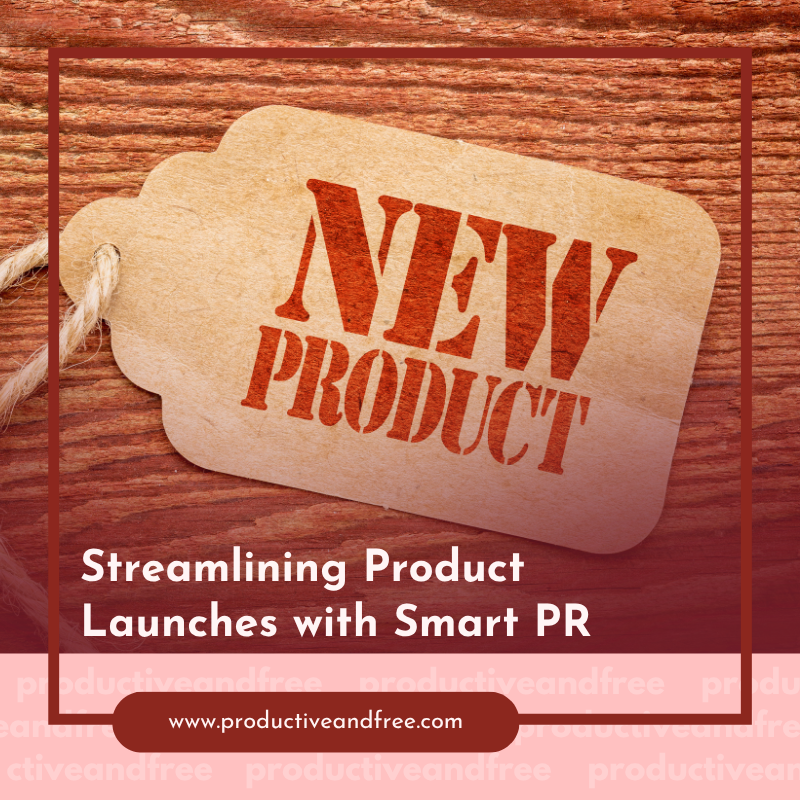
A successful product launch is the result of months, sometimes years, of hard work. But even the most innovative products can fail to take off, not because they're bad, but because nobody notices them. A smart public relations plan connects a great product with the right market. It makes sure your message cuts through the noise and reaches the right people at the right time. When you streamline your PR efforts, a simple announcement can become a major market event.
Avoiding Common Launch Pitfalls
Many product launches stumble because of a few common, avoidable mistakes. One big one is bad timing, like announcing your product during a huge global event or when a competitor is holding their big conference. Another is a confused message that doesn't clearly explain what the product is, who it's for, or why it matters. Without a clear value proposition, potential customers and media contacts will just ignore it.
To avoid these problems, start with a detailed launch calendar. Map out every PR and marketing activity for at least three months. This timeline should cover everything from pre-briefing key journalists to scheduling social media posts. Also, define your target audience precisely. Instead of "tech enthusiasts," think "early-adopter software developers who work on open-source projects." This level of detail ensures every part of your campaign speaks directly to the people most likely to become your first supporters.
Crafting Compelling Press Releases
A press release is often central to a launch, but too many companies treat it like a basic data sheet. A truly effective release tells a story. It needs a catchy headline that grabs attention and a short opening paragraph that immediately answers who, what, when, where, and why. The main part of the release should offer supporting details, compelling quotes from executives, and real data that shows your product's value. For a deeper dive, you can find a complete guide to product launch press releases that covers structure and examples in detail.
The language and framing must fit the audience. A release for a consumer gadget will sound very different from one announcing a new semiconductor. In highly specialized fields, working with a dedicated communications agency in electronics can be incredibly helpful. They can turn complex technical features into a compelling story that resonates with industry journalists. Mastering the steps for a well-crafted press release makes sure that your news isn't just seen but also taken seriously.

Engaging Technical Media Outlets
If your product serves a technical industry, your media strategy needs to be just as specialized. Mainstream journalists look for broad consumer benefits. But reporters for trade publications want specifications, performance benchmarks, and a clear understanding of how your technology improves on existing solutions. Trying to pitch a general story to a technical editor is a quick way to end up in their trash folder.
Start building relationships with key technical journalists and analysts long before you have anything to announce. Follow their work, engage with their content on social media, and share your expertise on industry trends. When it's time to launch, offer them an exclusive or an early briefing under embargo. This gives them time to understand the information and write a thoughtful, in-depth piece. Most importantly, make your engineers and technical leaders available for interviews. Journalists in these fields want to speak directly to the people behind the innovation.
Maximizing Early Market Adoption
Positive media coverage is one of the most powerful ways to drive early market adoption. When a trusted publication or influential analyst reviews your product favorably, it instantly builds credibility. This social proof reassures potential customers that your product is a safe and valuable investment. Your PR strategy should focus sharply on getting these early, high-impact reviews.
Identify the top 10-15 "kingmaker" publications and influencers in your space. These are the voices your target audience listens to. Prioritize getting your product into their hands well before the launch. You can also use beta testers by turning their positive experiences into powerful testimonials and case studies. Sharing these stories provides tangible proof of your product's real-world value and helps turn curious prospects into paying customers.
Post-Launch Communication Strategies
The day your product launches is just the beginning, not the end, of your communication efforts. The initial buzz is great, but the goal is to keep the momentum going. Your post-launch strategy should focus on amplifying your successes and finding new angles to keep the conversation alive. Actively share every positive review, media mention, and customer testimonial across your website, blog, and social media channels.
Look for chances to repurpose your launch content. A successful online product launch can position your company's leaders as experts in their field. Pitch them for interviews on industry podcasts, secure bylined articles in trade publications, or book them for speaking slots at relevant conferences. Each of these activities reinforces your company's authority and keeps your product top-of-mind long after the initial announcement has faded.
A product launch is a single moment, but building a brand is a continuous process. By treating your launch as the start of an ongoing conversation with your market, you create a foundation for long-term growth and success.























Share in the comments below: Questions go here

Discover how traveling can enhance your understanding of customer needs and preferences. Learn valuable insights to boost your entrepreneurial success.