
How Workers' Compensation Ghost Policies Work
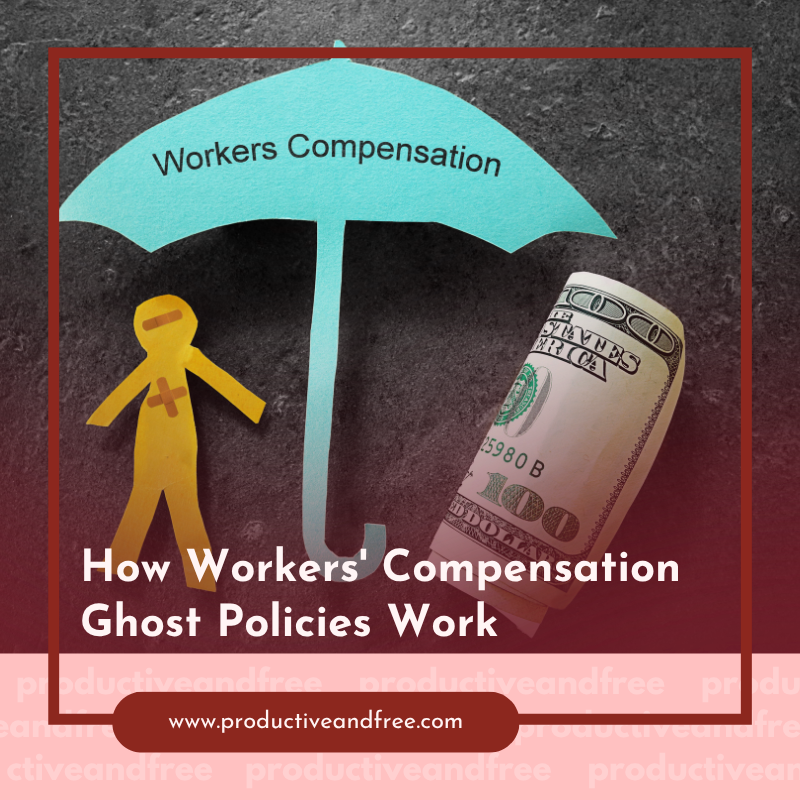
The National Safety Council has put the average cost of all workers' comp claims combined at roughly $47,000. Based on the most recent data available, some categories, like motor-vehicle-related injuries, run closer to $90,000. That figure is the entire reason standard workers' compensation exists. It's also exactly what a ghost policy is designed not to cover. Understanding how a ghost policy actually works starts with knowing what its coverage is supposed to do in the first place.
Most states require any employer with at least one worker to carry a real policy, and California is fairly typical here. Workers' compensation lawyer Jose Gonzalez and the rest of the team at Bentley & More LLP have handled California claims where the employer's obligation extended to independent contractors and subcontractors, not just direct employees, with injuries reported to the employer within 30 days and a claim filed with the insurance carrier within a year. A worker approved for benefits typically recovers about two-thirds of lost wages, calculated from recent pay history and subject to state minimum and maximum weekly caps, along with covered medical treatment for the injury.
What Is a Ghost Policy?
A ghost policy exists in a different category entirely. It's a minimum-premium workers' comp policy sold to a business owner who has no employees. Its entire purpose is generating a Certificate of Insurance, a piece of paperwork that satisfies a client's or general contractor's requirement to see proof of coverage before work begins. The owner is named on the policy and immediately excluded from its benefits. Nobody is actually insured under it.
Why Certificates Matter
A certificate of insurance only shows that a policy exists. It does not tell a contractor who is actually covered, whether the business owner has excluded themselves from benefits, or whether the reported payroll information is accurate. Workers' comp ghost policy coverage in North Carolina exists partly because of a state statute making a general contractor liable for a subcontractor's injured employees' benefits if the contractor never verified that the sub was properly insured before work started. The problem usually starts when a solo subcontractor purchases a ghost policy, then later hires someone for a short project without updating the coverage. If that worker gets injured, the general contractor who relied on an outdated certificate could end up facing the liability.
Ghost Policy Risks
One of the reasons the gap is so significant is that fault typically has no bearing on the outcome of a legitimate workers' compensation claim. A worker can even cause their injury and still qualify for benefits. A few exceptions exist. Safety violations or working under the influence of drugs or alcohol can all disqualify a claim. None of that matters to a ghost policy since it isn't paying benefits to anyone regardless of how the injury happened.
When Ghost Policies Apply
Whether a ghost policy is effective or creates exposure depends on whether the business still has zero employees. A true solo operator with no plans to hire can reasonably use a ghost policy to satisfy a paperwork requirement at a fraction of the cost of full coverage. The moment that changes, even temporarily for a single project, the employer needs a standard policy that actually covers the new hire and needs to notify the carrier before that person starts working, not after they get hurt.
Real Coverage vs. Ghost Policies
Ghost policies aren't a loophole so much as a narrow, purpose-built product for a specific situation. The trouble comes from treating the certificate they generate as interchangeable with real coverage, when the two documents can look almost identical on paper while meaning something entirely different for anyone who actually gets injured.
Explore the benefits of operational checklists for service businesses. Increase productivity, reduce errors, and ensure top-notch service delivery with ease!

Maximize your Canva lead magnets to generate daily traffic. Explore effective techniques to attract more visitors and enhance your online presence!

Start your journey in electronics manufacturing with our essential guide for new entrepreneurs. Gain insights to launch and grow your business effectively.
Unlock the potential of local news for your business growth. Explore effective ways to engage with your community and boost your brand's presence!

Ready to launch your dream business? Explore essential tips for finding the perfect opportunity that fuels your entrepreneurial ambitions.

Elevate your business with a strategic corporate event plan. Explore the benefits of effective planning for brand growth and impactful networking opportunities.

Turn your property into a powerful income-generating asset. Explore strategies to unlock its potential for passive income and secure your financial future!

Maximize productivity by streamlining your field operations. Explore effective solutions that drive efficiency and elevate your team's performance!
Learn how managers can help employees prioritize tasks with clear goals, deadlines, communication, planning, technology and workload reviews.

Discover how small businesses can leverage AI technology to streamline website launches, enhancing efficiency and reducing time to market.
Learn how data-driven insights can empower small business owners to make informed decisions and boost their success. Start transforming your strategy now!
Explore the hidden effects of your business environment on success. Learn how to leverage these insights for strategic growth and improved performance.
Enhance your business efficiency by avoiding costly interruptions. Explore effective strategies to streamline operations and drive success!

Discover the top 5 signs that your hiring process may be driving away talented candidates. Improve your recruitment strategy and attract the best talent today!
Transform your e-commerce operations with powerful tools that boost efficiency and streamline your business processes for optimal performance.
Unlock the secrets to financial resilience for business owners. Equip yourself with practical tips to strengthen your financial foundation and ensure stability.
Ensure your business runs smoothly with our expert strategies to maximize uptime and eliminate delays. Discover how to enhance efficiency today!

Is your marketing data at risk? Delve into the silent threats that could undermine your efforts and find out how to protect your critical information.

Explore the hidden costs of manual processes in insurance claims. Find out how optimizing workflows can significantly improve productivity and profitability.
Learn the vital role of strong documentation in boosting business security. Explore how it safeguards data, streamlines processes, and mitigates risks effectively.

Transform your sales approach with expert tips on outbound sales. Propel your growing business to new heights with actionable insights and strategies.

Uncover the benefits of workplace safety investments. Explore how prioritizing safety can improve employee morale and drive financial returns for your business.
Discover effective strategies for making informed decisions as your business expands. Learn to navigate growth challenges with confidence and clarity.
Enhance your business efficiency by streamlining operations with innovative cloud-based tools designed for seamless collaboration and productivity.
Ready to elevate your small business? Learn simple AI steps you can start using today to enhance productivity and drive growth effortlessly!
Discover essential tips for new CNC machine shop owners about end mills. Learn how to choose the right tools for precision and efficiency in your projects.
Unlock the secrets to sustainable success with The Green Business Blueprint. Learn to incorporate eco-friendly practices into your daily operations today!
Unlock the potential of your kitchen! Learn how investing in the right equipment can elevate your business efficiency and improve overall performance.
Learn why integrating a smooth online store is crucial for boosting your email list growth. Transform your business strategy and engage customers like never before!
Share in the comments below: Questions go here
 Productive and Free
STRATEGIC TIME-SAVING TEMPLATES TO HELP YOU GROW YOUR DREAM BUSINESS
Discover how traveling can enhance your understanding of customer needs and preferences. Learn valuable insights to boost your entrepreneurial success.