
How to Build a Professional Brand That Attracts Opportunities
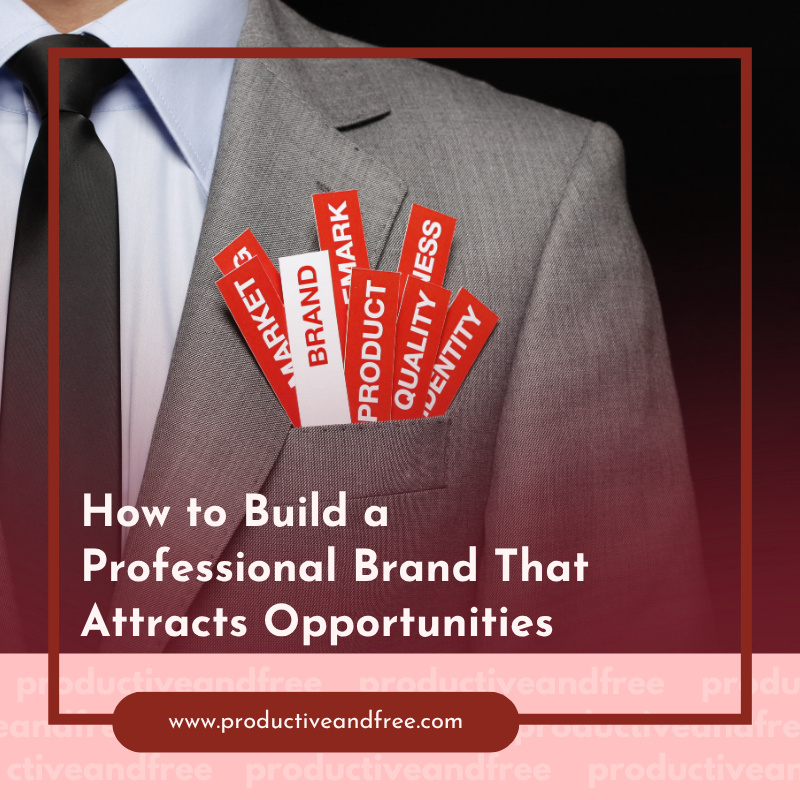
A strong professional brand can do more than just help you land a traditional job. It can draw in all sorts of income opportunities, paving the way to more financial freedom. If you're an entrepreneur, freelancer, or ambitious professional, thinking of your personal brand as a way to generate passive income is a powerful shift. Instead of constantly chasing leads or opportunities, a well-built brand works for you, bringing in high-value projects, collaborations, and roles. This article will show you how to fine-tune your professional tools, like your LinkedIn profile and CV, to build a reputation that creates success while you focus on what you do best.
Why Personal Branding Matters for Business Owners
Many people hear "personal brand" and picture social media influencers. But for business owners, consultants, and freelancers, it's a core business asset, and you can build one with practical steps for branding even on a budget. A strong personal brand is simply your professional reputation, amplified and made visible online. It’s what people say about you when you're not there, and it directly affects your ability to attract opportunities instead of having to hunt for them. When you become known for your expertise in a specific area, you create a kind of passive lead generation. Potential clients, partners, and investors come to you because they already recognise your value.
This shift from actively seeking work to passively attracting it is key to a more "productive and free" work life. Imagine two consultants with similar skills. One has no real online presence; they spend their days sending cold emails and competing on price. The other has put time into building a strong personal brand, sharing insights on LinkedIn, and joining industry discussions. Opportunities come to them. They get invited to speak at conferences, are approached for high-value advisory roles, and can charge more because their expertise is already recognised. Your brand acts as a filter, bringing in the right kind of work and pushing away low-value tasks that drain your time and energy.
Crafting a Compelling LinkedIn Profile
Your LinkedIn profile is often the first digital impression you make, and it's much more than just an online CV. It's a dynamic platform for telling your story, networking, and building authority. To turn it into a machine that generates opportunities, you need to go beyond a simple list of past jobs and responsibilities. Start with your headline. Instead of just your job title, frame it as a value proposition. "Finance Director" becomes "Strategic Finance Leader Driving Growth for Tech Scale-ups." This immediately tells visitors not just what you do, but what problems you solve.
The "About" section is where you tell your professional story. Use it to explain your mission, your areas of expertise, and the results you deliver for clients or employers. When your CV is part of that professional brand, working with expert executive CV writers can help ensure your achievements and leadership experience are presented clearly and strategically. The "Featured" section is prime real estate; use it to show off your best work. This could include:
Articles you’ve written
Links to podcasts you’ve been on
Client testimonials or case studies
Presentations you’ve given
Finally, engagement is crucial. Consistently sharing valuable content and adding thoughtful comments to others' posts positions you as a knowledgeable and active member of your professional community. These tips for building your personal brand can help you stand out. This activity builds your network and keeps your profile visible, making sure you're top of mind when an opportunity comes along.

Your CV as a Business Asset
Traditionally seen as a document for job applications, the CV serves a much broader purpose for today's professional. It's a foundational document that can be adapted to secure a wide range of opportunities beyond a standard 9-to-5 role, many of which contribute significantly to passive or semi-passive income. For example, a well-crafted CV is essential when seeking a position on a company board or an advisory role. These opportunities often offer substantial pay for periodic, high-level strategic input.
Your CV can also be turned into a compelling biography for speaking engagements, a critical part of a funding application, or a core component of a high-ticket consulting proposal. However, a CV designed for these purposes looks very different from one aimed at a corporate recruiter. It needs to move beyond a list of duties and instead focus on strategic achievements, measurable impact, and leadership abilities. For instance, instead of saying you "managed a team," you would highlight how you "led a 15-person team to increase market share by 10% through implementing a new strategic framework."
Crafting a document that speaks effectively to investors, board members, or event organizers is a specialized skill. The language must be precise, powerful, and focused on return on investment. This ensures the document isn't just a history of your career, but a powerful marketing tool for your future.
Showcasing Expertise for Lead Generation
The most powerful brands are built on demonstrated expertise. Simply claiming you're an expert isn't enough; you have to show it. Creating and sharing valuable content is one of the most effective ways to do this. This strategy positions you as a thought leader and generates inbound leads from an audience already convinced of your value. This is a core principle of building a brand that generates leads. Instead of you chasing clients, they come to you.
There are several easy ways to showcase your expertise:
Write Articles: Publish articles on LinkedIn or a personal blog. Focus on solving a specific, painful problem for your ideal client. A detailed guide or a fresh take on an industry trend can attract a lot of attention.
Create a Newsletter: A simple email newsletter lets you build a direct relationship with your audience, sharing insights and updates regularly.
Public Speaking and Media: Offer to speak at industry events, webinars, or on podcasts. This puts you directly in front of a relevant audience and instantly gives you authority.
The key is consistency and value. A single blog post probably won't change your fortunes, but a consistent effort to share your knowledge will build momentum over time. Each piece of content you create acts as a digital asset, working 24/7 to build your reputation and attract opportunities. This is the essence of creating a business that serves your life, not the other way around, and is a key part of an effective personal branding strategy.
Maintaining a Consistent Professional Image
Building a powerful professional brand is an ongoing process, not a one-time task. Once you've established your core message and optimised your key assets, maintaining consistency across all platforms is vital for long-term success. Your professional image should be coherent wherever someone might encounter you, whether that's your LinkedIn profile, your personal website, your email signature, or your social media presence. This consistency builds trust and reinforces your brand identity.
Your tone of voice, your visual branding (like your headshot and banner images), and the topics you discuss should all be aligned. A professional headshot is a non-negotiable investment. It should reflect the brand you want to project, whether that's authoritative and corporate or creative and approachable. The language you use should also be consistent. If your brand is built on being a clear, no-nonsense expert, your content should reflect that.
It's also smart to periodically review your online presence. At least once or twice a year, check your profiles and content to make sure they still accurately reflect your goals, skills, and expertise. Is your LinkedIn headline still relevant? Does your CV highlight your most recent and impactful achievements? Is the content you're sharing aligned with the opportunities you want to attract? Treating your personal brand as a valuable asset that needs regular maintenance ensures it keeps working for you, opening doors and creating the freedom you seek.
Your professional brand is arguably your most powerful career and business asset. By shifting your mindset and treating your CV, LinkedIn profile, and expertise as tools for attracting opportunities, you can build a reputation that works for you. This strategic approach is the foundation for creating a more productive, profitable, and ultimately freer professional life.








Share in the comments below: Questions go here
Discover how traveling can enhance your understanding of customer needs and preferences. Learn valuable insights to boost your entrepreneurial success.