
Why Smart Businesses Outsource Key Administrative Tasks
Every growing business reaches a point where there simply aren’t enough hours in the day. Calendars need managing, paperwork needs processing, emails need answering, and someone still has to keep up with all the small tasks that keep things moving. When those responsibilities take up too much of your team’s time, less attention goes to the work that actually grows the business.
Outsourcing lets you move some of that workload elsewhere while keeping your internal team focused on their main responsibilities. You can bring in support for recurring admin, specialized processes, or tasks that have become too time-consuming for your existing staff. Done well, it can free up time to work with customers, develop new ideas, solve problems, and handle decisions that need their attention.
Beyond Cost Savings: The Strategic Edge
People often talk about outsourcing only in terms of its financial benefits. While saving money is a big plus, the strategic advantages are much more compelling. Getting access to a global talent pool means you're no longer limited to local experts. You can hire specialists for specific tasks that don't need a full-time, in-house employee. This can transform your business by bringing in specialized skills exactly where you need them.
For example, a busy mortgage brokerage might find its brokers spending more time putting together loan documents and chasing lenders than advising clients. Instead of hiring another general administrator, they can partner with dedicated offshore loan processors who specialize in that specific workflow. This frees up the brokers to focus on high-value, client-facing work that directly drives revenue.
This model works across many industries, too. Law firms use virtual paralegals for document review, and tech startups use remote executive assistants to manage complex schedules for their leadership teams. The key is to see outsourcing not as an expense, but as a smart investment in efficiency and expertise.
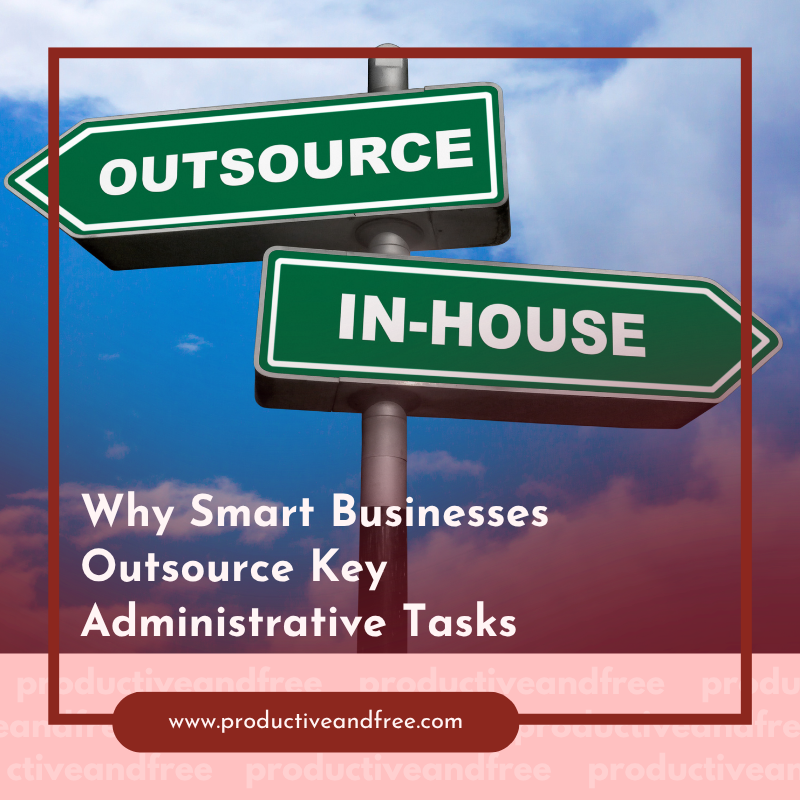
When to Outsource vs. Hire In-House
Deciding whether to outsource a role or hire a full-time employee means carefully looking at the task itself. The right choice depends on the type of work, how often it needs to be done, and how strategically important it is to your main goals.
Consider these points when deciding between outsourcing and in-house.
Core vs. Context: Is the task central to what makes your company unique? Client strategy, product development, and brand management are usually core functions that you should keep in-house. On the other hand, tasks like payroll processing, data entry, and appointment scheduling are "context." They are necessary for business operations but don't define your brand. This is why many small businesses choose to outsource these tasks. These are perfect candidates for outsourcing.
Volume and Consistency: Do you need help for 40 hours a week, every week? If so, an in-house hire might make sense. But if the workload changes, with busy times and slow times, an outsourced partner offers flexibility. You can increase or decrease services as needed without the complications of hiring and layoffs.
Specialized Skills: Does the role require deep, specialized knowledge that is hard or expensive to find locally? Tasks like bookkeeping, digital marketing analytics, or technical support often fit this description. Outsourcing gives you access to experienced professionals without the high salary and benefits package of a senior in-house expert.

Empowering Your Core Team Through Delegation
One of the most overlooked benefits of outsourcing administrative tasks is the positive effect it has on your current team. When administrative duties weigh down key employees, it can lead to burnout, lower job satisfaction, and less time for strategic work. Delegating these responsibilities to an external partner lets your team focus on their core roles and highest-value work.
Imagine a sales manager who spends hours each week putting together reports and updating the CRM. By outsourcing these tasks to a virtual assistant, that manager gets that time back to mentor their team, build client relationships, and close deals. This change can improve productivity and boost morale. Employees feel more valued when they’re trusted to focus on challenging, meaningful work instead of repetitive admin. This creates a more engaged, motivated workforce where everyone contributes at their best. Effective delegation shows your team that you care about their growth and are focused on building a smarter, more efficient company.
Quality Control in Remote Workflows
A common concern with outsourcing is feeling like you're losing control. How can you ensure tasks meet your standards when the person doing them isn't in the same office? The key is to set up clear, structured remote workflows from the start. Success depends on communication and process, not physical proximity.
First, create detailed instructions for every task you plan to outsource. Standard Operating Procedures (SOPs) should include step-by-step instructions, examples, and expected results. This document becomes the main source of truth for your remote partner. Second, set up clear communication and hold regular check-ins. A daily or weekly meeting via video call or a shared project management tool like Asana or Trello can keep everyone on the same page. Use these meetings to review progress, answer questions, and give feedback. Finally, define your key performance indicators (KPIs). For a data entry task, this might be accuracy rate and turnaround time. For customer service, it could be response time and satisfaction scores. Tracking these metrics provides objective performance data and helps maintain quality.
Future-Proofing Your Business Model
Businesses that can grow quickly, adapt to market shifts, and operate efficiently have a clear advantage. Outsourcing is a powerful tool for building this kind of operational flexibility into your business model. It lets you build a leaner core organization while still handling a large amount of work.
Relying on external partners for non-core functions helps you increase output without dramatically raising fixed costs and management overhead. If a new market opportunity comes up, you can quickly bring on administrative or operational support to pursue it. If you face a downturn, you can scale back services without painful internal restructuring. This variable cost structure makes your business more resilient and better prepared for both challenges and opportunities. Strategically delegating administrative tasks can help you empower your team, access specialized skills, and build a more agile, resilient business.






















Share in the comments below: Questions go here

Discover how traveling can enhance your understanding of customer needs and preferences. Learn valuable insights to boost your entrepreneurial success.