
Building a Culture of Emergency Readiness in Local Sports and Fitness Hubs
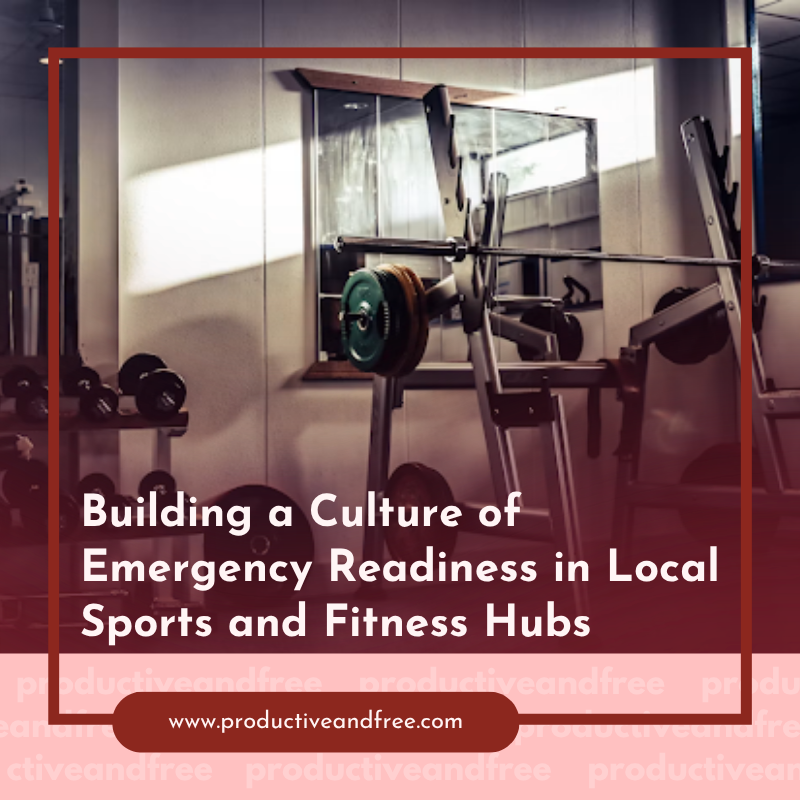
Local sports clubs and fitness centers are buzzing with activity, energy, and a real sense of community. They're places where people push their limits and work towards their health goals. But with all that action comes the responsibility to be ready for anything unexpected. Building a culture of emergency readiness isn't just about having a first-aid kit tucked away; it's about a thoughtful approach that weaves together the right gear, solid training, and clear communication into the very heart of your facility.
Why Every Second Counts
When folks are working out hard, there's always a chance of medical emergencies, from small scrapes to serious events like sudden cardiac arrest. Those first few minutes of an emergency are super important. A quick and effective response can really make a difference, lessening how bad an injury is and sometimes even saving a life. Creating a proactive safety culture shows your staff and members that their well-being is your top priority, which builds trust and confidence in your organization.
Stocking the Right Gear
A basic first-aid kit with bandages and antiseptic wipes is a good start, but it's often not enough for the kinds of emergencies that can pop up during intense physical activity. Your facility should be ready for more serious situations. This means having a well-organized and clearly labeled trauma kit with things like tourniquets, pressure dressings, and splints. Even more crucial for heart emergencies is having an automated external defibrillator (AED) on-site. Investing in a defibrillator for sports clubs is one of the most impactful steps you can take. These devices are designed for anyone to use and give simple, clear instructions to guide you through the process, making it possible for a staff member or even a bystander to provide immediate, life-saving care.
Training Your Team
Having the right equipment is only half the battle, though. Your staff needs to feel confident and capable using it. A culture of readiness means turning people who might just stand by into active first responders. This starts with providing regular, certified training in CPR, first aid, and AED usage for everyone on your team, from the front desk to trainers and coaches. When people feel empowered with knowledge, they're much more likely to act quickly in a crisis. This training is a core part of effective emergency preparedness and makes sure your investment in safety equipment really pays off when it matters most.
Drills and Practice
An emergency plan that only exists on paper probably won't hold up when things get stressful. The trick to making your response plan work is to practice it regularly. Running scheduled and even surprise drills helps your team really get a feel for their roles and responsibilities. These exercises often show you where your plan might be weak, like if communication isn't clear or if people aren't sure where equipment is kept. Use these chances to fine-tune your procedures and build that "muscle memory" for your team. You can find inspiration from government resources that offer practice drills and scenarios to help you design effective exercises for your facility. A drill might feel a little awkward at first, but the confidence it builds is priceless.
Communicating Your Plan
Finally, a truly ready culture includes everyone, even your members. Make sure emergency equipment like AEDs and main first-aid stations are clearly marked and easy to get to. Think about putting up simple diagrams showing where these items are throughout your facility. You can also share information about your safety protocols in new member packets or on your website. When members know you have a plan, that staff is trained, and that equipment is available, it boosts their trust and makes them feel safer. This openness can also empower a member with previous first-aid training to step up and help in an emergency, further strengthening your community's ability to respond.
Building this culture is an ongoing commitment, not just a one-and-done task. By investing in the right gear, providing consistent training, and practicing your response, you can create a safer environment for everyone who walks through your doors.



















Share in the comments below: Questions go here

Learn why integrating a smooth online store is crucial for boosting your email list growth. Transform your business strategy and engage customers like never before!