
How to Create a Corporate Event That Leaves a Lasting Impression
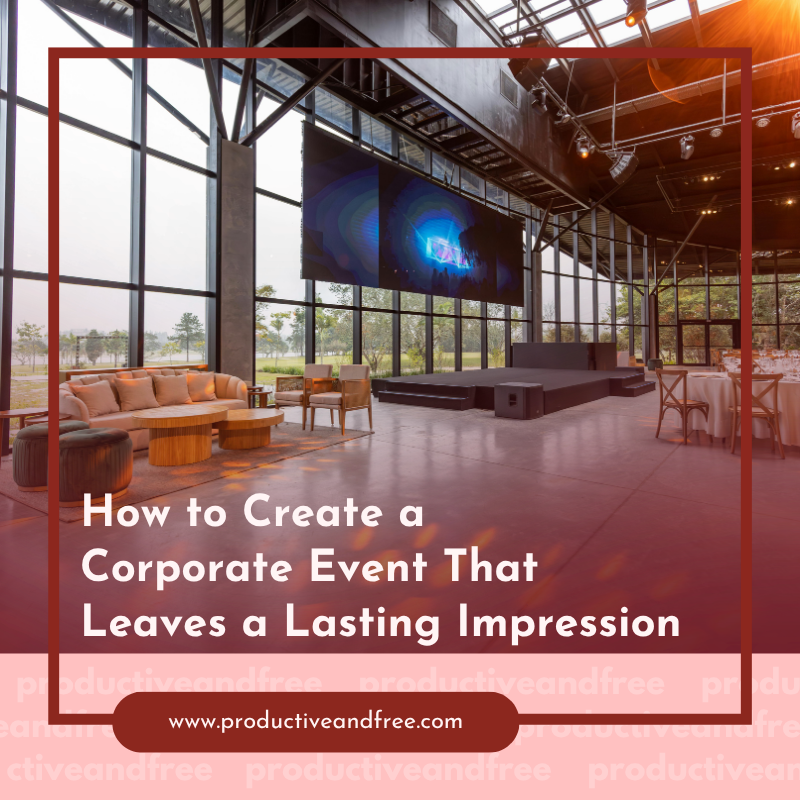
A corporate event is no longer just a handshake and a business card exchange. In a world saturated with digital marketing, face-to-face interactions have become powerful opportunities to build genuine connections. Companies that understand this shift are moving beyond traditional event formats to create immersive, memorable brand experiences. These events don't just showcase a product; they invite attendees to step into the brand's world, feel its values, and become part of its story.
The goal is to leave a lasting impression that resonates long after the event concludes. This requires a thoughtful approach that considers every touchpoint, from the initial invitation to the final follow-up. Focusing on creating an experience rather than just hosting an event helps you foster deeper brand loyalty, generate authentic buzz, and turn attendees into advocates. This guide will walk you through the key strategies for transforming your next corporate gathering into an unforgettable brand moment.
Beyond the Booth: Experiential Marketing
Experiential marketing is the practice of creating immersive events that allow consumers to directly interact with a brand. Instead of passively receiving a marketing message, attendees are actively involved. This creates a much stronger emotional connection and a more memorable encounter. Think of it as the difference between seeing an ad for a new coffee blend and attending a pop-up café where you learn to brew the perfect cup from a master barista, surrounded by the sights and sounds of the brand's origin story.
The core idea is to engage the senses and create a shareable moment. Successful experiential marketing examples often have a strong "wow" factor that encourages social media sharing, extending the event's reach organically. This could be a large-scale art installation, a virtual reality simulation, or a gamified challenge related to your product.
To implement this, start by defining the key message or feeling you want your brand to evoke. Is it innovation, reliability, fun, or luxury? From there, brainstorm activities that allow attendees to feel that quality rather than just be told about it. For an athletic wear company, this might mean a pop-up fitness class. For a tech firm, it could be a hands-on demo lab where guests can play with future-forward prototypes. The focus is on doing, not just observing.
Setting the Right Mood and Tone
The atmosphere of your event is the invisible framework that holds the entire experience together. It’s the first thing attendees notice when they walk in and the last thing they feel when they leave. Getting the mood right is critical, and it’s achieved through a careful combination of lighting, decor, and sound. These elements should work in harmony to reflect your brand's personality and the event's purpose. A product launch might call for high-energy, dynamic lighting and an upbeat soundtrack, while a client appreciation dinner would benefit from warmer, softer lighting and more subdued background music.
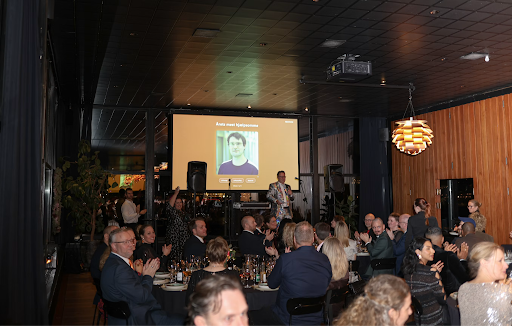
Sound, in particular, has a profound impact on an event's energy. The right music can make people feel excited, relaxed, or sophisticated. An empty, silent room feels awkward, while music that is too loud or mismatched with the brand can be distracting. This is where professional expertise becomes invaluable. Engaging professional corporate event DJ services ensures that the sonic landscape of your event is perfectly curated. A skilled DJ does more than just play songs; they read the room, adjust the tempo throughout the event, and use music to guide the emotional flow from arrival and networking to key presentations and the closing reception. An experienced MC can also help maintain momentum, make important announcements, and ensure the event runs smoothly, all while reinforcing the brand’s voice.
Interactive Elements That Engage
Passive attendance is the enemy of a memorable event. To keep your guests engaged, you need to give them things to do. Interactive elements turn attendees from spectators into participants, encouraging them to connect with the brand and with each other. These activities should be fun, intuitive, and aligned with your event's goals. The key is to offer a variety of options that appeal to different personalities, from the outgoing extrovert to the more reserved observer.
Consider incorporating some of these experiential marketing ideas to drive engagement:
Photo Booths with a Twist: Go beyond simple props. Use green screens to place guests in branded environments, create animated GIFs, or use slow-motion video booths. Ensure the output is easily shareable on social media with a branded hashtag.
Gamification: Introduce a friendly competition. This could be a digital scavenger hunt using a mobile app, a leaderboard for an interactive game, or a trivia contest related to your industry. Offer prizes to incentivize participation.
Live Polling and Q&A: Use event technology to let attendees vote on topics, ask questions in real-time during presentations, or contribute ideas to a digital word cloud. This makes them feel heard and involved in the content.
Co-Creation Stations: Set up areas where guests can contribute to something tangible. This might be a collaborative art piece, a "wish wall" for future product ideas, or a station for customizing their own swag.
The best interactive elements feel like a natural part of the event, not a forced activity. They should provide genuine value or entertainment, making the experience more personal and enjoyable for everyone involved.
Storytelling Through Event Design
Every element of your event design, from the layout of the space to the font on the signage, is an opportunity to tell your brand's story. A cohesive design narrative transforms a simple venue into a branded world, immersing attendees in your company's vision and values. This goes far beyond placing your logo on every available surface. It's about using visual and spatial cues to communicate who you are without saying a word. This is a core component of successful brand activations.
Begin by mapping out the attendee journey. What do you want them to see, feel, and think at each stage? The Entrance: The first impression is crucial, so make a stronger first impression through design. The entrance should be impactful and immediately establish the event's theme. This could be a dramatic lighting installation, a tunnel that visually tells the history of your brand, or greeters who embody your brand's personality.
The Main Space: The layout should guide people naturally through different zones. Use furniture, lighting, and color to create distinct areas for networking, learning, and relaxing. If your brand is about transparency, use an open-plan layout. If it's about discovery, create smaller, intriguing spaces for people to explore.
Branding Elements: Be intentional with your branding. Instead of just logos, use your brand's color palette, typography, and imagery in creative ways. A custom-fabricated sculpture that incorporates your brand's shape or a mural that depicts your company's mission can be much more powerful than a simple banner.
Every detail contributes to the narrative. The texture of the linens, the design of the name badges, and even the presentation of the food should all feel consistent with the story you are trying to tell. When done well, the event design makes your brand's identity tangible and real.
Follow-Up Strategies for Lasting Impact
The experience shouldn't end when the last guest leaves. A strategic follow-up plan is essential for capitalizing on the goodwill and connections you've built. The goal is to continue the conversation and reinforce the positive memories from the event. A generic "thank you for attending" email is a missed opportunity. Instead, aim for personalized, valuable communication that reminds attendees of the experience they had.
A powerful follow-up strategy includes several components. First, send a prompt and personalized thank-you message. If possible, reference a specific conversation you had or a moment from the event. Include a high-quality photo gallery or a highlight reel video. Seeing themselves in the photos helps solidify the memory and encourages them to share it with their networks. This visual content serves as a lasting artifact of the positive experience.
Next, provide additional value. This could be a summary of the key insights from a presentation, a link to download exclusive content, or a special offer related to the products or services featured at the event. You can also use this as an opportunity to gather feedback. Send a short, engaging survey asking what they enjoyed most and what they'd like to see at future events. This shows you value their opinion and provides crucial data for improving your next gathering. Finally, continue the engagement on social media. Share the best user-generated content from the event hashtag, tag attendees in photos, and keep the conversation going by asking follow-up questions related to the event's themes.
A well-executed follow-up strategy transforms a one-time event into the beginning of an ongoing relationship. It keeps your brand top-of-mind and shows attendees that you see them as part of a community, not just as leads.
By thinking beyond logistics and focusing on creating a multi-sensory, interactive, and story-driven experience, you can host an event that truly stands out. These are the moments that build authentic brand affinity and create lasting business value.







Share in the comments below: Questions go here
Uncover the secrets to hosting a corporate event that stands out. Engage your audience and ensure your event is remembered long after it concludes.