
7 Questions to Ask Before Hiring a Sports Field Construction Contractor
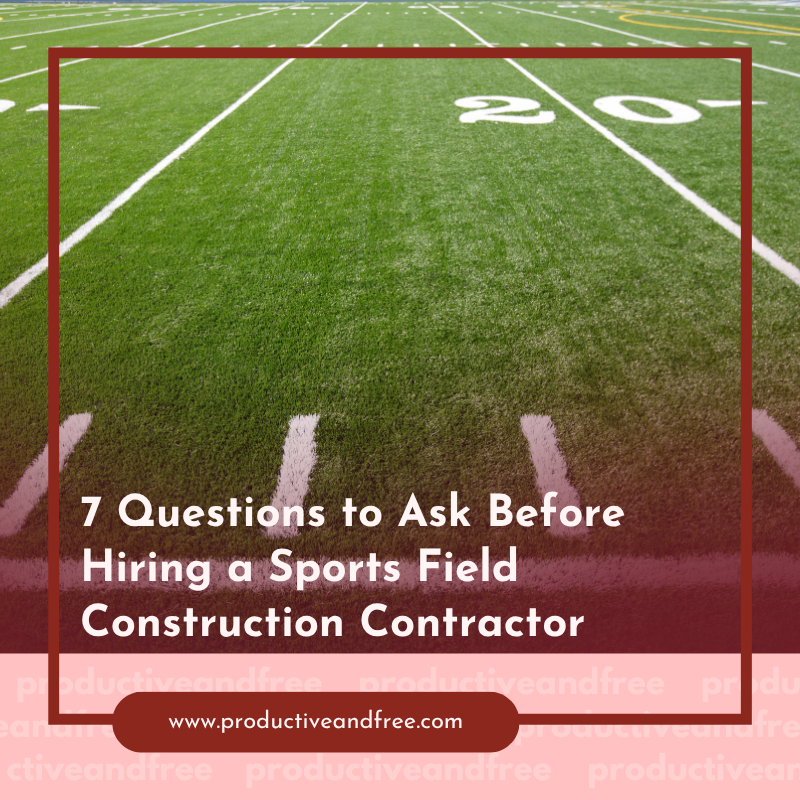
A Pennsylvania school district has finally secured approval and funding to replace its aging football field. The next challenge is choosing a construction contractor capable of delivering lasting value. This decision involves more than comparing prices or reviewing polished proposals.
The quality of the work will affect student-athlete safety, field performance, and maintenance costs for years to come. Asking the right questions before signing a contract can help districts identify experienced professionals and avoid problems that may become expensive to correct later.
Why These Questions Genuinely Matter for Player Safety
It helps to understand the real stakes behind field construction quality, beyond just appearance and durability. According to the Sports Turf Managers Association, the recognized authority on sports field management, ASTM standards classify Gmax values of 200 and above, a measure of surface hardness and shock absorption, as levels at which life-threatening head injuries may be expected to occur.
That threshold matters because it confirms field construction quality isn't just about how a field looks or performs athletically, it's directly tied to genuine athlete safety. A poorly constructed field, with inadequate infill depth or a compromised base, can quietly cross that safety threshold well before it looks visibly worn.
7 Questions Worth Asking Directly
With that context in mind, here are the seven specific questions that reveal whether a contractor genuinely deserves your project.
1. What Experience Does the Project Manager Specifically Have?
A construction company's overall reputation matters less than the specific experience of the person actually managing your project. Ask directly how many fields that individual project manager has personally overseen, not just how many the company has built company-wide.
A contractor with an impressive corporate portfolio can still assign your project to someone relatively new, so getting a direct answer about this specific person's track record matters more than the brochure.
2. What's Typically Gone Wrong on Similar Projects, and How Do You Prevent It?
A confident, experienced contractor should be able to answer this specifically, drainage issues from poor site prep, seam failures, inadequate base compaction, rather than deflecting with a vague, reassuring non-answer.
How honestly a contractor discusses potential problems often says more about their genuine expertise than a polished sales pitch does, since only someone who's actually encountered these issues in the field can speak to them with real specificity.
3. What Site-Specific Factors Will Affect This Particular Field?
This is really the middle of what separates a genuinely thorough proposal from a generic one. Every site has its own drainage patterns, soil conditions, and grading challenges, and a contractor who's done proper due diligence should be able to speak specifically to your site rather than offering a one-size-fits-all pitch.
A company experienced in sports field construction should walk you through exactly how your site's specific conditions factor into their design and construction plan. Keystone Sports Construction has completed school and university athletic projects. Its design-build process considers drainage, base preparation, and material selection before construction, demonstrating genuine expertise rather than relying on generic proposals.
4. What Warranty Coverage Actually Applies, and What Voids It?
Warranty terms deserve genuinely careful reading, since standard industry warranties typically cover the fiber and material for a set period, often around eight years, but usually don't cover the field's use, location, or how well it's actually maintained. A handful of specifics worth clarifying upfront:
Whether the warranty is insured, protecting the field even if the contractor goes out of business
What specific maintenance practices are required to keep the warranty valid
Whether events like improper cleaning, incorrect footwear use, or acts of nature are excluded
Who the actual point of contact is if a warranty issue comes up years later
Getting clear, written answers to each of these before signing protects you from discovering an exclusion only after something's already gone wrong.
5. How Will Testing and Quality Control Be Handled?
Quality control shouldn't be something a district has to request separately, it should be built into the process by default. Ask specifically whether the contractor conducts Gmax and impact testing as part of standard construction, or only upon request, and how often testing continues after the field opens for play. A contractor who treats testing as a routine, built-in step is signaling that safety verification matters to them beyond just passing an initial inspection.
6. What Does the Realistic Timeline Look Like, Including Weather Delays?
Construction timelines that sound too good to be true usually are. A contractor who gives an honest, realistic timeline, including likely weather-related delays and how those affect a season's schedule, is generally more trustworthy than one who promises an unrealistically fast turnaround just to win the bid. Pressing for specifics here, rather than accepting a vague "a few months," helps you plan around the project rather than being caught off guard by delays later.
7. How Can Costs Be Managed Without Compromising Safety or Longevity?
This is genuinely worth asking directly, since a good contractor should be able to identify where costs can reasonably be trimmed, phased construction, material tier adjustments, without cutting corners on the elements that actually affect safety and long-term durability, like base preparation and drainage infrastructure.
A contractor who immediately suggests cutting corners on these foundational elements to hit a budget number is one worth reconsidering entirely.
Conclusion
Choosing the right sports field construction contractor requires more than comparing proposals or selecting the lowest price. The right questions can reveal a contractor’s experience, communication style, planning process, and commitment to safety.
By examining project leadership, construction methods, potential challenges, maintenance needs, and long-term costs, schools, universities, and municipalities can make a more informed decision. A well-built sports field is a long-term investment in athletes, staff, and the wider community, so careful evaluation before signing a contract can help protect that investment and support safer, more reliable playing conditions for years to come.

























Share in the comments below: Questions go here

Ensure your sports field project is in good hands! Discover the 7 essential questions to ask before hiring a contractor for a successful build.