
5 Hidden Costs of Disorganized Business Operations for SMBs
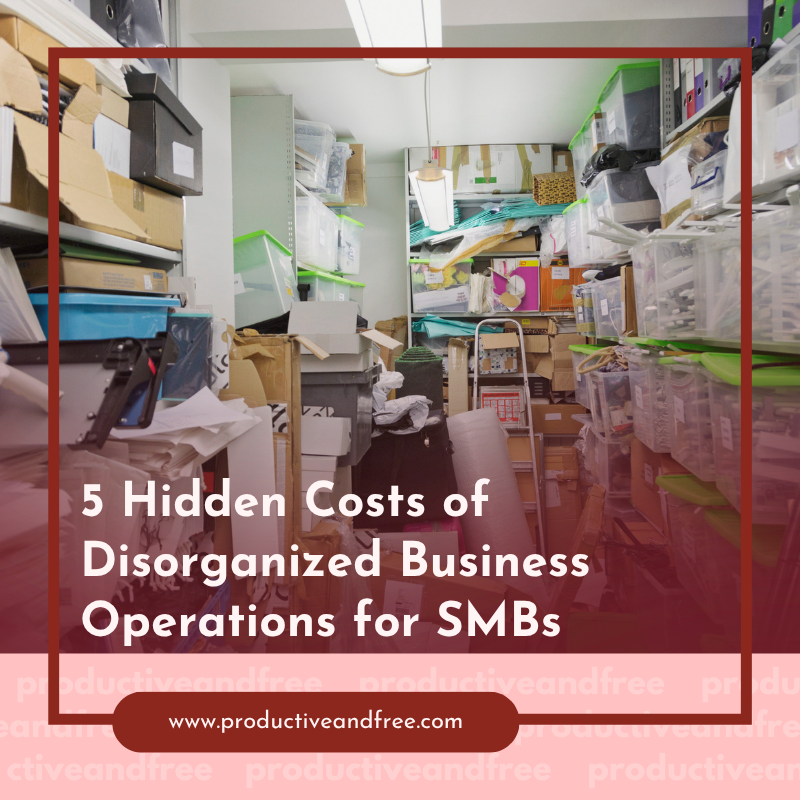
Disorganized business operations are an obvious threat to how well a company can run. However, the problems can multiply beyond the most apparent to the point where the worst hits the organization hard before you even have a chance to react. So what are these terrible issues that businesses need to be aware of? There are quite a few, but from poor customer service to high employee turnover, here are some of the most common examples in modern business.
#1 Increased Labor Costs and Low Productivity
Businesses are always prone to inefficient workflows that massively reduce productivity, such as manual data entry. There are always valuable, more accurate, and faster alternatives, such as AI and automated tools. Today, services such as facility management software are popular for streamlining operational oversight and improving production across the board. Using tools like this helps companies regain lost time, keep employees active, and speed up projects.

#2 Bad Customer Service that Costs Revenue
Customer service is one of the most talked-about parts of doing business well. Unfortunately, it isn’t as easy as getting back to customers quickly and requires a commitment to quality service. Most of the world’s top companies in every sector fall short of customer service expectations, giving small businesses a gap to fill and do better. However, no matter how quickly you follow up, quote a client, or stay in touch, trust is hard to regain from a customer once it is lost.
#3 Disorganized Business Operations Increase Equipment Costs
Hardware-as-a-Service (HaaS) can cost between $15 and $60 per device, per month, depending on the company’s needs. However, even though a HaaS service will typically provide most of the logistical work anyway, you still need to make capital equipment decisions that affect the rest of the company. As such, poor tracking will eventually lead to some of the hidden expenses of renting, leasing, and purchasing equipment, such as rental fee accumulation.
#4 High Employee Turnover and Poor Morale
One of the most surprising costs to businesses, especially smaller ones, is high employee turnover. The cost of replacing a skilled worker far exceeds wages, and includes recruitment fees, training, and valuable time. Of course, employees thrive in structured places, and not addressing this will cause them to leave, which costs your company dearly. This also extends across the workforce, where other workers can feel frustrated, resulting in low morale.
#5 Potential Compliance Infringement and Penalties
If you need to stay organized for one thing, it is compliance. Understanding regulatory compliance for businesses is essential to avoid some of the harsh penalties that can be applied to the company, being so unforgiving that they can force closure. Poor documentation, failed audits, and missed safety inspections are examples of common problems that can incur penalties for non-compliance, which you can avoid with top quality business operations.
Summary
Increased staffing costs and low productivity are some of the worst costs of disorganized business operations for small and large companies. It also helps to ensure equipment costs are tracked, and of course, there are many penalties for companies that skirt regulatory compliance.

Start your journey in electronics manufacturing with our essential guide for new entrepreneurs. Gain insights to launch and grow your business effectively.
Unlock the potential of local news for your business growth. Explore effective ways to engage with your community and boost your brand's presence!

Ready to launch your dream business? Explore essential tips for finding the perfect opportunity that fuels your entrepreneurial ambitions.

Elevate your business with a strategic corporate event plan. Explore the benefits of effective planning for brand growth and impactful networking opportunities.

Turn your property into a powerful income-generating asset. Explore strategies to unlock its potential for passive income and secure your financial future!

Maximize productivity by streamlining your field operations. Explore effective solutions that drive efficiency and elevate your team's performance!
Learn how managers can help employees prioritize tasks with clear goals, deadlines, communication, planning, technology and workload reviews.

Discover how small businesses can leverage AI technology to streamline website launches, enhancing efficiency and reducing time to market.
Learn how data-driven insights can empower small business owners to make informed decisions and boost their success. Start transforming your strategy now!
Explore the hidden effects of your business environment on success. Learn how to leverage these insights for strategic growth and improved performance.
Enhance your business efficiency by avoiding costly interruptions. Explore effective strategies to streamline operations and drive success!

Discover the top 5 signs that your hiring process may be driving away talented candidates. Improve your recruitment strategy and attract the best talent today!
Transform your e-commerce operations with powerful tools that boost efficiency and streamline your business processes for optimal performance.
Unlock the secrets to financial resilience for business owners. Equip yourself with practical tips to strengthen your financial foundation and ensure stability.
Ensure your business runs smoothly with our expert strategies to maximize uptime and eliminate delays. Discover how to enhance efficiency today!

Is your marketing data at risk? Delve into the silent threats that could undermine your efforts and find out how to protect your critical information.

Explore the hidden costs of manual processes in insurance claims. Find out how optimizing workflows can significantly improve productivity and profitability.
Learn the vital role of strong documentation in boosting business security. Explore how it safeguards data, streamlines processes, and mitigates risks effectively.

Transform your sales approach with expert tips on outbound sales. Propel your growing business to new heights with actionable insights and strategies.

Uncover the benefits of workplace safety investments. Explore how prioritizing safety can improve employee morale and drive financial returns for your business.
Discover effective strategies for making informed decisions as your business expands. Learn to navigate growth challenges with confidence and clarity.
Enhance your business efficiency by streamlining operations with innovative cloud-based tools designed for seamless collaboration and productivity.
Ready to elevate your small business? Learn simple AI steps you can start using today to enhance productivity and drive growth effortlessly!
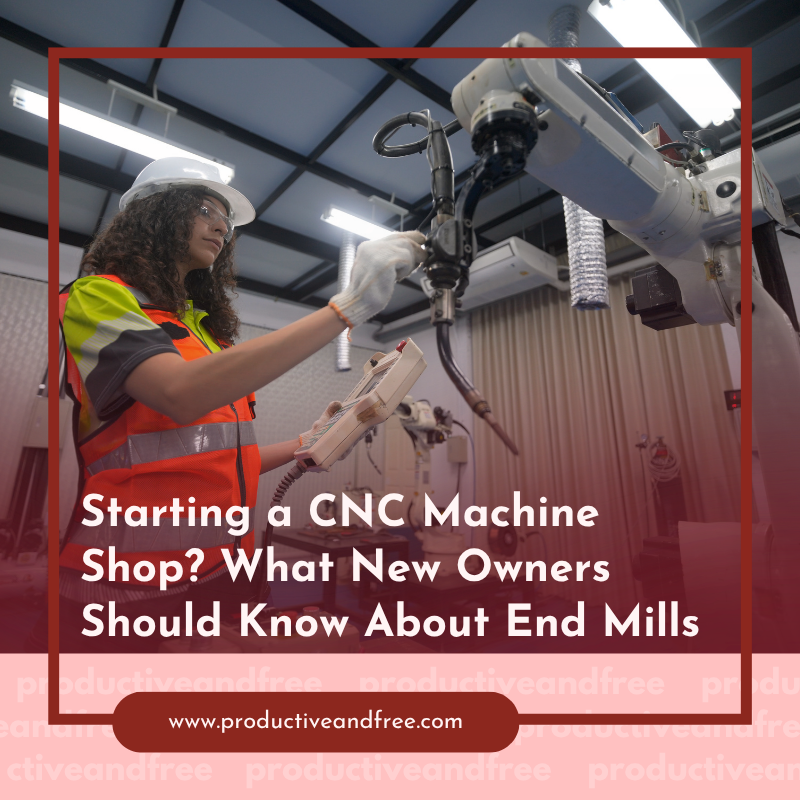
Discover essential tips for new CNC machine shop owners about end mills. Learn how to choose the right tools for precision and efficiency in your projects.

Unlock the secrets to sustainable success with The Green Business Blueprint. Learn to incorporate eco-friendly practices into your daily operations today!

Unlock the potential of your kitchen! Learn how investing in the right equipment can elevate your business efficiency and improve overall performance.

Learn why integrating a smooth online store is crucial for boosting your email list growth. Transform your business strategy and engage customers like never before!
Discover how local sports and fitness hubs can foster a culture of emergency readiness, ensuring safety and preparedness for all participants.

Learn how to overcome operational challenges with cutting-edge smart hardware solutions that promote industrial continuity and streamline processes.
Share in the comments below: Questions go here
 Productive and Free
STRATEGIC TIME-SAVING TEMPLATES TO HELP YOU GROW YOUR DREAM BUSINESS
Maximize your Canva lead magnets to generate daily traffic. Explore effective techniques to attract more visitors and enhance your online presence!