
Smart Investments for Sustainable Rural Growth
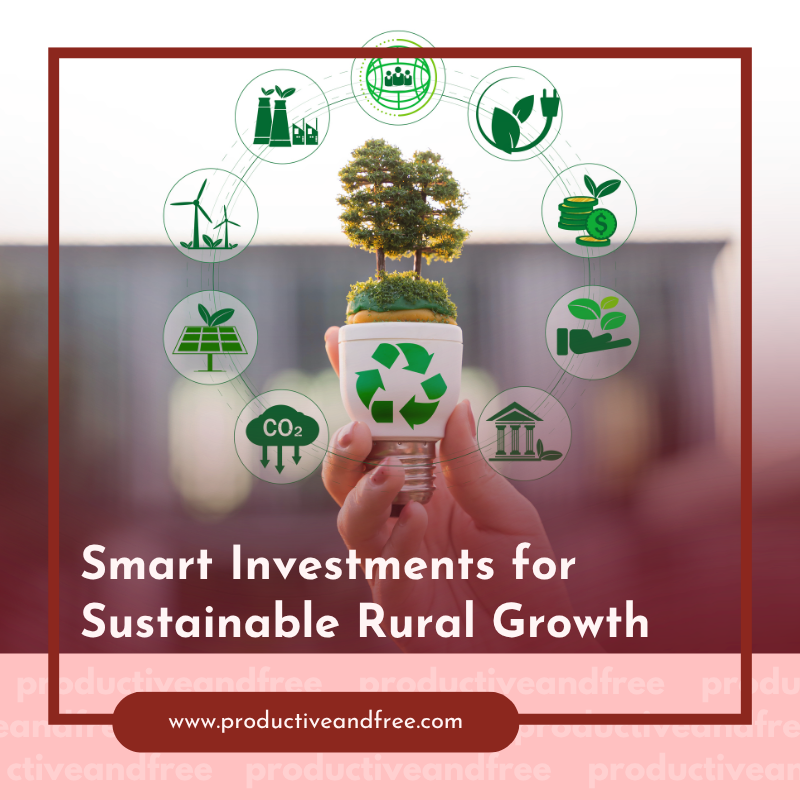
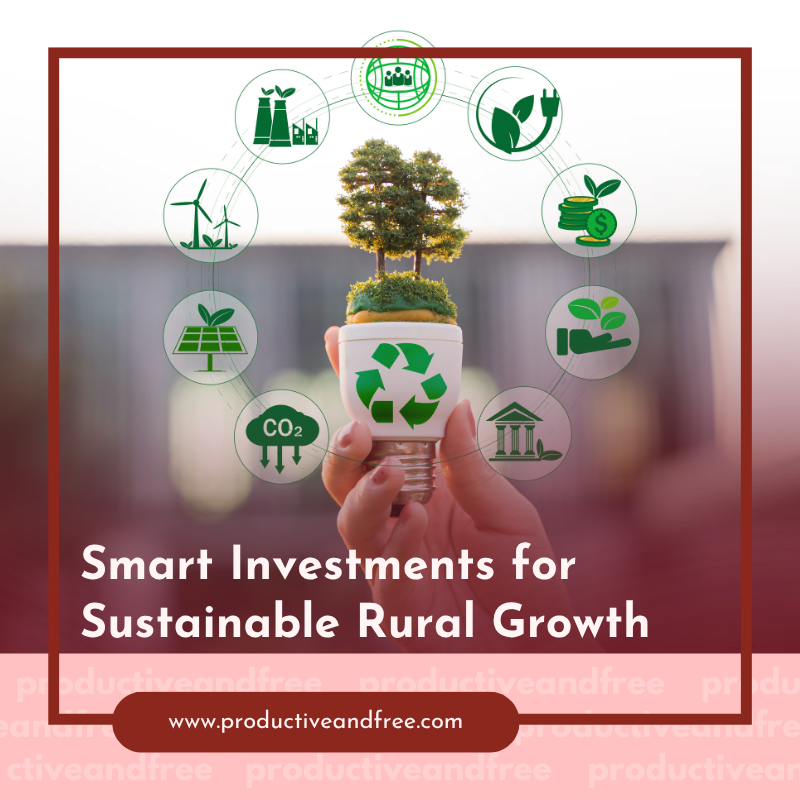
Investing in rural areas requires a strategic approach that balances immediate needs with long-term sustainability. For entrepreneurs and community leaders, the goal is not just to generate profit but to build a resilient economic foundation that can thrive for generations. This means looking beyond short-term gains and focusing on smart, durable investments that deliver value over decades.
By prioritizing sustainable growth, rural communities can create opportunities that are both profitable and environmentally responsible, ensuring a prosperous future.
Identifying Growth Opportunities
The first step in smart rural investment is identifying genuine opportunities to explore alternative investments. This often means looking beyond traditional agricultural models and exploring diversification. Value-added production, where raw agricultural products are processed locally to create higher-value goods, is a significant area of potential. Think of a dairy farm that starts producing artisan cheese or a grain farmer who mills and sells specialty flours.
Another area is agritourism, which invites visitors to experience rural life through farm stays, tours, and local food events. These ventures not only create new revenue streams but also build a stronger connection between urban consumers and food producers. Adopting sustainable investing principles can help guide these decisions, ensuring that new ventures contribute positively to the community and the environment.
Evaluating Investment Returns
Measuring the success of a rural investment goes beyond a simple profit and loss statement. While financial return is important, a holistic evaluation considers broader impacts. For example, an investment in soil health through regenerative farming practices may not show a huge profit in year one, but it builds the farm's primary asset, its land, for the long term, much like investing in durable concrete water troughs provides lasting infrastructure.
Understanding the true return on agricultural research and development helps justify these long-term strategies. Returns can also be measured in community resilience. Does the investment create stable local jobs? Does it reduce reliance on outside supply chains? These non-financial returns are critical for sustainable growth and contribute to the overall health and stability of the rural economy.
Infrastructure That Lasts
Sustainable growth is built on a foundation of durable, reliable infrastructure. Short-term fixes and low-quality materials often lead to higher costs over time due to frequent repairs, maintenance, and replacement. Investing in infrastructure that is built to last is one of the smartest financial decisions a rural business can make.
This applies to everything from fencing and buildings to water systems. For livestock operations, providing a consistent and clean water source is essential for animal health and productivity. Choosing robust, low-maintenance equipment like concrete water troughs is an example of a long-term investment. They withstand harsh weather and heavy use far better than cheaper alternatives, minimizing future labor and replacement expenses. Prioritizing quality and durability from the start ensures that core infrastructure supports growth rather than hindering it.
Technology Adoption Benefits
Technology is a powerful catalyst for rural growth, driving efficiency and opening up new possibilities. Precision agriculture tools, such as GPS-guided tractors and drone-based crop monitoring, allow farmers to use resources like water and fertilizer more effectively, reducing costs and environmental impact. This data-driven approach helps optimize yields and improve decision-making.
Beyond the field, improved connectivity enables rural businesses to access global markets, manage operations remotely, and tap into the growing remote workforce. Cloud-based software for farm management, accounting, and logistics helps streamline administrative tasks, freeing up valuable time for more strategic work. Embracing technology is no longer an option but a necessity for staying competitive and building a modern, efficient rural enterprise.
Smart, sustainable investments are the key to unlocking the full potential of rural economies. By focusing on durable infrastructure, innovative technology, and diversified opportunities, communities can build a foundation for lasting prosperity.




























Share in the comments below: Questions go here