
Protecting Your Rights After an Injury (Copy)
An unexpected injury can instantly turn your life upside down. Besides the physical pain and recovery, you often face medical bills, lost income, and a confusing maze of legal and insurance procedures. Knowing your rights is the first and most important step to protect your well-being and financial stability during this tough time. This guide explains the key things you need to know.
Understanding Personal Injury Law
Personal injury law offers a way for an injured person to get paid back by whoever caused their harm. This type of civil lawsuit relies on the idea of negligence. For a claim to succeed, you usually have to show that another person or group had a duty to act carefully, failed to do so, and that failure directly caused your injury.
These cases fall under tort law, which deals with civil wrongs that cause someone else to suffer loss or harm. It's not about criminal punishment; instead, it aims to make the injured person "whole" again, at least financially. This means paying them for things like medical costs, lost wages, and pain and suffering.
Common Injury Scenarios
While injuries can happen in countless ways, most personal injury claims come from a few common situations. Knowing these can help you figure out if you might have a case.
● Car Accidents: Crashes involving cars, trucks, and motorcycles are a top reason for injury claims. Negligence here can include things like distracted driving, speeding, or driving under the influence.
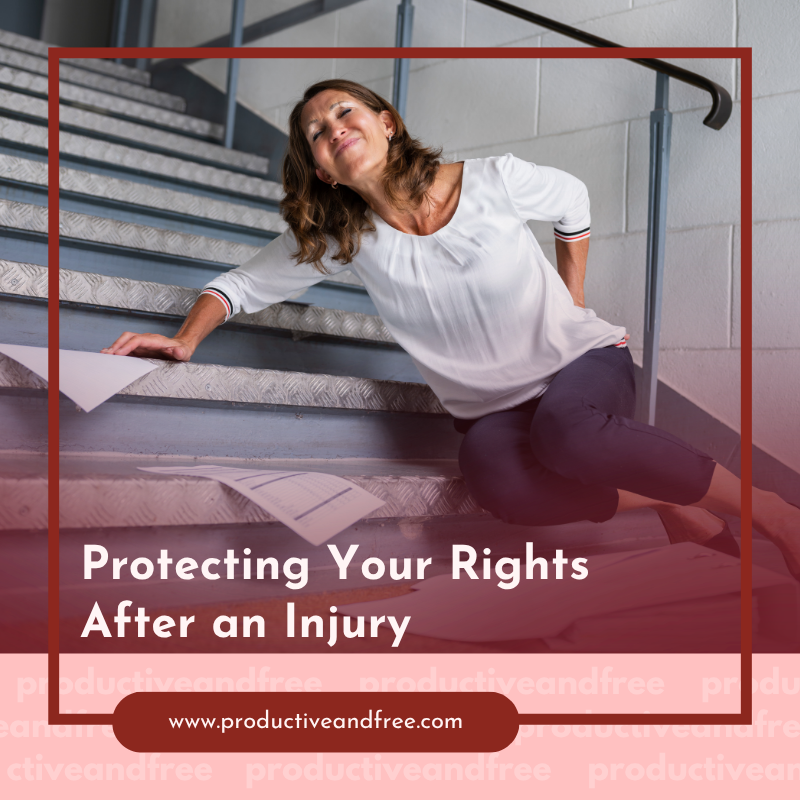
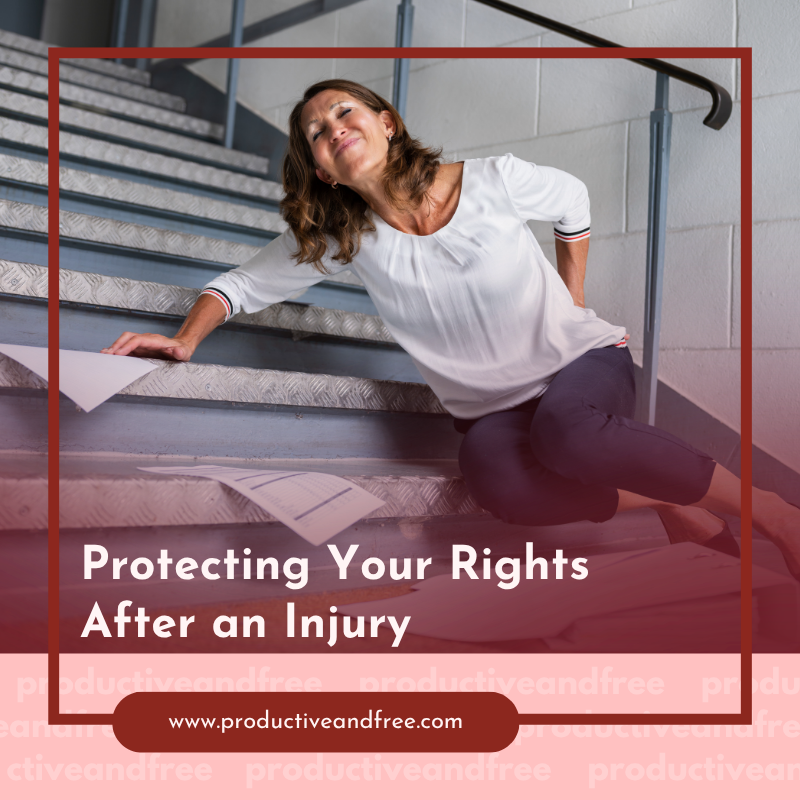
● Slips and Falls: Property owners must keep their places reasonably safe. If you get hurt because of a wet floor, a broken staircase, or an icy sidewalk that wasn't properly maintained, the owner might be responsible.
● Workplace Incidents: Workers' compensation usually covers injuries on the job. However, sometimes a third party (not your employer) might be at fault, which could lead to a personal injury claim.

The Value of Legal Representation
After an injury, you'll likely deal with insurance companies whose main goal is to pay as little as possible. This is where professional help becomes extremely valuable. A qualified personal injury lawyer acts as your advocate, making sure your rights are protected throughout the process. They handle the complicated legal work, from investigating the incident and collecting evidence to figuring out the full extent of your damages.
An experienced attorney knows the tactics insurance adjusters use and can negotiate effectively for you. They work to get a fair settlement that covers not just your immediate bills but also future medical needs and lost earning potential. If a fair settlement isn't possible, they are ready to represent you in court, letting you focus on getting better.
Navigating Insurance Claims
Dealing with an insurance company can be daunting. Adjusters might seem friendly, but their job is to protect their company's profits. It's smart to be careful about what you say. Avoid giving a recorded statement or signing any papers without first understanding what they mean. Anything you say could be used to lower the value of your claim.
Keep careful records of everything related to your injury. This includes all medical reports, bills, receipts for out-of-pocket costs, and a log of your symptoms and how they affect your daily life. Detailed documentation is strong evidence when you need to show the full extent of your losses.
Statute of Limitations Explained
One of the most important ideas in personal injury law is the statute of limitations. This law sets a strict time limit on your right to file a lawsuit. If you don't file your claim within this specific timeframe, you will likely lose your right to seek compensation forever, no matter how strong your case is.
This deadline changes a lot depending on the state or area, the type of injury, and who the defendant is. For example, the time limit for a claim against a private citizen is often different from one against a government agency. Because these deadlines are strict, it's crucial to act quickly after an injury so you don't lose your rights.
Knowing these basic principles can help you take the right steps after an injury. Protecting your rights is a key part of recovery, making sure you have the resources you need to move forward.





























Share in the comments below: Questions go here