
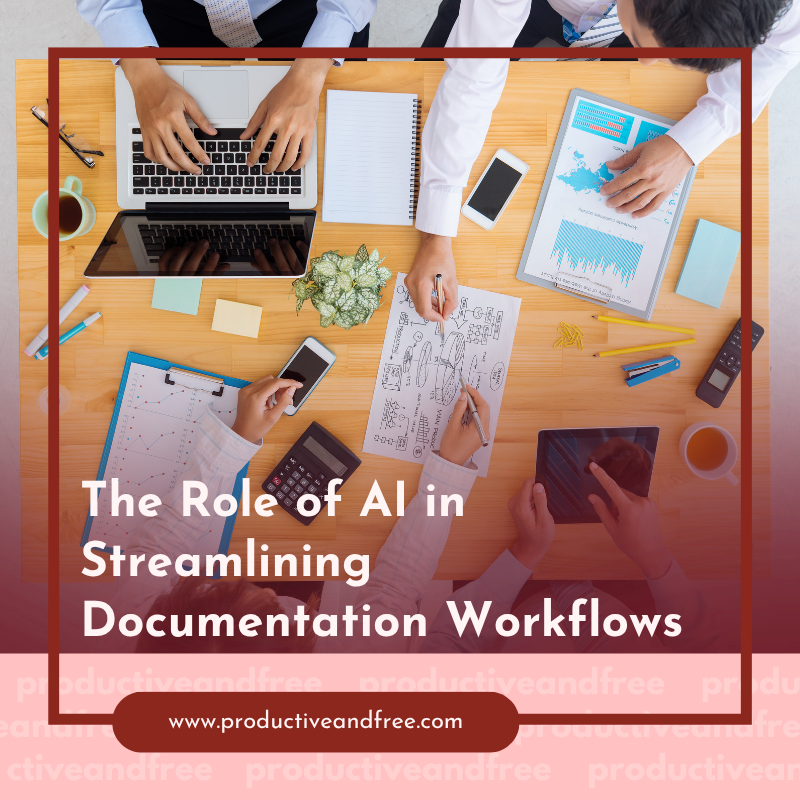
Every professional knows the feeling: you've just finished a productive client meeting, a complex project phase, or a critical patient visit, and now comes the "other" work. The hours spent typing up notes, filling out forms, and organizing records can feel like a drain on your most valuable resource: time. This administrative burden isn't just tedious; it actively pulls you away from the work that creates real value. But what if documentation could be transformed from a chore into a streamlined, value-adding process?
Challenges of Traditional Documentation
Manual documentation comes with challenges that go beyond just the time it takes. When you rely on handwritten notes or fragmented digital files, you introduce significant risks. Human error is almost unavoidable, leading to inaccuracies that can have serious consequences in fields like finance, law, and healthcare. Information gets lost, details are forgotten, and consistency suffers across teams.
This inefficiency slows down decision-making, complicates compliance audits, and makes it incredibly difficult to extract meaningful insights from the vast amount of information your organization generates.

Why Documentation Matters for Growth
Despite its challenges, we can't just get rid of documentation. It's the backbone of a scalable and resilient organization. Good records are fundamental to the importance of documentation for everything from daily operations to long-term strategy. It ensures that knowledge doesn't leave the company when an employee does, making onboarding new team members faster and more effective.
Well-structured documentation also provides a single source of truth that aligns teams, standardizes processes, and ensures quality control. For any business looking to grow, having clear documentation for success is not optional. It’s the framework that supports consistent service delivery, simplifies regulatory compliance, and provides the historical data needed for strategic planning and continuous improvement.
AI-Powered Documentation Solutions
The good news is that technology is catching up to this universal problem. Artificial intelligence is leading a shift away from manual data entry and toward smart, automated documentation systems. These tools use advanced technologies like Natural Language Processing (NLP) to understand, summarize, and structure human speech and text automatically.
The applications are broad and impactful:
Meeting assistants who record, transcribe, and generate concise summaries with action items.
Developer tools that automatically document code, saving programmers countless hours.
Customer service platforms that analyze support calls to create case notes and identify trends.
In highly specialized fields like healthcare, the impact is profound. Clinicians are often buried in paperwork, but new tools are changing that dynamic. Finding the best AI medical scribe can help a physician capture a patient encounter through ambient conversation, automatically generating the necessary clinical notes without ever touching a keyboard. This allows them to focus entirely on the patient, improving care and reducing burnout.
Implementing Smart Documentation Systems
Adopting an AI-powered documentation strategy doesn't mean you need to completely overhaul your existing workflows overnight. The key is to start small and be strategic.
First, identify your biggest documentation pain point. Is it transcribing meeting notes? Logging sales calls? Or completing compliance paperwork? Pinpointing the most time-consuming task will help you find the right tool for the job.
Next, research and pilot a solution. Many AI documentation tools offer free trials, allowing you to test their effectiveness in a real-world setting. Involve your team in the process to get their buy-in and feedback. Once you choose a tool, establish clear guidelines for how and when it should be used to ensure consistency. The goal is to augment your team's abilities, freeing them from low-value tasks so they can concentrate on creative, strategic, and people-focused work.
Ultimately, rethinking your approach to documentation is about reclaiming your time. Embracing smarter systems helps you spend less energy on administration and more on the work that truly drives growth and personal satisfaction.



























Share in the comments below: Questions go here

Learn the essential steps to create and scale your online course business. Our complete guide offers tips for success and maximizing your reach!