
How to Future-Proof Your Business Premises Without Overspending
When you operate out of an older commercial space, there are numerous hidden costs that develop slowly over time and have significant financial impacts. With increased energy usage, inefficient floor plans, inadequate drainage systems, and limited or unreliable IT capabilities, many areas of your operation will become less productive. What does future-proofing mean? It’s about planning some practical enhancements today to ensure that your current facility can support your company for years to come with fewer costly disruptions and higher long-term expenses.
Unreliable IT capabilities aren't only about wiring and bandwidth. The software running your daily operations ages just as quietly as the building around it. If your customer records live in spreadsheets or a patchwork of disconnected tools, moving to custom CRM and CMS platforms lets you consolidate scheduling, billing and client history into systems built around how your team actually works. The upfront cost is higher than an off-the-shelf subscription, so weigh it against how many staff hours you're currently losing to manual data entry and duplicate records before committing.
Start With What Fails First
Start by examining those areas of your building that are failing. The roof is leaking. Drainage isn’t working properly. Wiring is a mess. Your Internet connection isn’t strong enough. Access points aren’t located in high-traffic areas. Storage systems have bottlenecks. Using this method will ensure that you’re spending your money directly on real business risks and also help prevent spending on cosmetic upgrades that may look modern, but do nothing for operational purposes.
Improve Flexibility in the Layout
A fixed space will cost you every time your team, equipment, or service model changes. Choose modular shelving, movable partitions, multi-use rooms, and furniture that can be reconfigured without major building work. Small changes are important as well. By having changes and layout, you will be able to react more quickly to growing demand, employee changes, and changing technologies without needing to start over each time you outgrow your workspace.
Upgrade Infrastructure with Intent
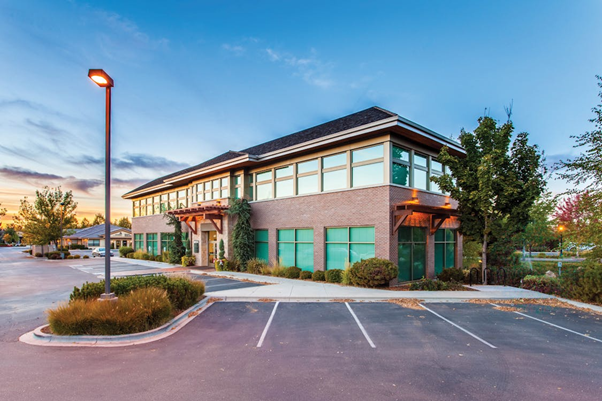
The smartest upgrades usually sit behind the scenes. Better insulation, energy-efficient lighting, more power outlets, stronger ventilation, and reliable connectivity make the premises easier to run every day. In modern building upgrades, systems like radiant heating over concrete slabs are also being adopted to improve thermal efficiency and reduce long-term energy costs. Outside, drainage deserves the same level of planning, especially in parking areas, loading zones, and entrances where runoff can collect fast. A well-designed trench drain helps manage surface water properly, supports site grading, handles expected vehicle loads, and protects pavement from standing water, cracking, and premature wear.
Choose Durable Materials, Not Trendy Ones
Invest in places with high usage. Flooring, wall finishes, doors, hardware fixtures, and exterior surfaces may all need to withstand heavy foot traffic, frequent cleaning, and weather conditions. While durable products usually have a higher initial price tag than trendy products, they can also save money on future replacement and labor costs. The true savings come when you’re spending less money over time.
Make Maintenance Easier to Manage
Maintenance on your premises will be easier to manage, faster to complete, and less costly if you have installed systems that are accessible and labelled for ease of use. Record all maintenance in an easy-to-access format and install equipment that can be sourced locally by your chosen contractors. Where possible, avoid using highly specialized products, as it may become difficult to obtain replacement parts at short notice. The fewer variables there are in how quickly you can do repairs, the better you will be able to manage costs from one month to another.
Plan In Stages and Measure Results
You do not need one large renovation to make a building more resilient. Create a staged upgrade plan based on urgency, payback period, and operational impact. Handle safety and infrastructure first, then efficiency, then appearance. Track utility costs, repair frequency, and workflow improvements after each change. Futureproofing works best when each decision improves performance and protects cash flow at the same time. That is how you prepare a premise for the future without turning improvement into overspending. It is disciplined planning, not reactive spending, that wins.










Share in the comments below: Questions go here
Maximize productivity by streamlining your field operations. Explore effective solutions that drive efficiency and elevate your team's performance!