
Healthcare Careers You Can Train For in Under a Year

When it comes to healthcare, there is always some degree of training and education required. It's essential, especially for more patient-facing roles or technical job roles.
However, that training doesn’t need to be long or lengthy. There are many clinical roles that you can train for that come with a structured, accredited training program that can be completed within months, not years, and can get you a foot in the door and into direct patient-facing work fast.
So let's take a look.
Patient Care Technician
PCTS work at the ward level in hospitals and clinical settings. The role includes tasks such as monitoring vitals, assisting with mobility and personal care, and performing procedures like EKGs and phlebotomy, as well as flagging patient concerns to nursing staff.
Training for this hotel generally comes in at around 2-4 months, and if you're looking at a pct program, accredited programs can cover both the clinical theory and hands-on skills you'll need to step into the role.
The scope of the world can vary depending on the facility, but in most hospital settings, PCTs rotate across departments, which gives them exposure to different patient populations and care environments early on.

Phlebotomist
Training for a role as a phlebotomist can be completed in as little as a few weeks. This makes it one of the most accessible entry points into healthcare and clinical work
The technical skill here is drawing blood, but the practical reality is working with patients. It's helping them feel comfortable and relaxed, and being able to build a relationship with them quickly, which is beneficial for patients who are anxious, unwell, or difficult to draw blood from.
You will get your certification via an organisation like the NPA or ASCP, which are widely recognized by employers, meaning you get into a role with ease as soon as training is complete.
Dental Assistant
A dental assistant is someone who supports dentists during procedures, takes X-rays, prepares treatment rooms, and handles patient records and scheduling.
For training, you're looking at around 9-11 months, and some states require a formal certification, while others allow on-the-job training in the role. So it's important to check with your state before undertaking training.
Once qualified, you'll work with patients to deliver care and assist the dentist where required. For career progression, you can move into different roles, such as training to be a dental hygienist, dental nurse, or start your career to become a fully qualified dentist.
Medical Assistant
This rule takes you right to the 12 months to make a medical assistant role that handles both the clinical side and administrative work. You'll be taking vital signs, preparing patients for examinations, administering injections, drawing blood, and managing scheduling and insurance documentation.
The dual-sided nature of this role is appealing to many people, as you get a foot in the door on both sides of the medical setting. This means that if you want to move forward with your career, you have to choose which role would be best for you plus you can transfer your skills to different settings including private practices, urgent care clinics and specialist offices.

Elevate your business with a strategic corporate event plan. Explore the benefits of effective planning for brand growth and impactful networking opportunities.

Turn your property into a powerful income-generating asset. Explore strategies to unlock its potential for passive income and secure your financial future!

Maximize productivity by streamlining your field operations. Explore effective solutions that drive efficiency and elevate your team's performance!
Learn how managers can help employees prioritize tasks with clear goals, deadlines, communication, planning, technology and workload reviews.

Discover how small businesses can leverage AI technology to streamline website launches, enhancing efficiency and reducing time to market.
Learn how data-driven insights can empower small business owners to make informed decisions and boost their success. Start transforming your strategy now!

Explore the hidden effects of your business environment on success. Learn how to leverage these insights for strategic growth and improved performance.
Enhance your business efficiency by avoiding costly interruptions. Explore effective strategies to streamline operations and drive success!

Discover the top 5 signs that your hiring process may be driving away talented candidates. Improve your recruitment strategy and attract the best talent today!
Transform your e-commerce operations with powerful tools that boost efficiency and streamline your business processes for optimal performance.
Unlock the secrets to financial resilience for business owners. Equip yourself with practical tips to strengthen your financial foundation and ensure stability.

Ensure your business runs smoothly with our expert strategies to maximize uptime and eliminate delays. Discover how to enhance efficiency today!

Is your marketing data at risk? Delve into the silent threats that could undermine your efforts and find out how to protect your critical information.

Explore the hidden costs of manual processes in insurance claims. Find out how optimizing workflows can significantly improve productivity and profitability.
Learn the vital role of strong documentation in boosting business security. Explore how it safeguards data, streamlines processes, and mitigates risks effectively.

Transform your sales approach with expert tips on outbound sales. Propel your growing business to new heights with actionable insights and strategies.

Uncover the benefits of workplace safety investments. Explore how prioritizing safety can improve employee morale and drive financial returns for your business.
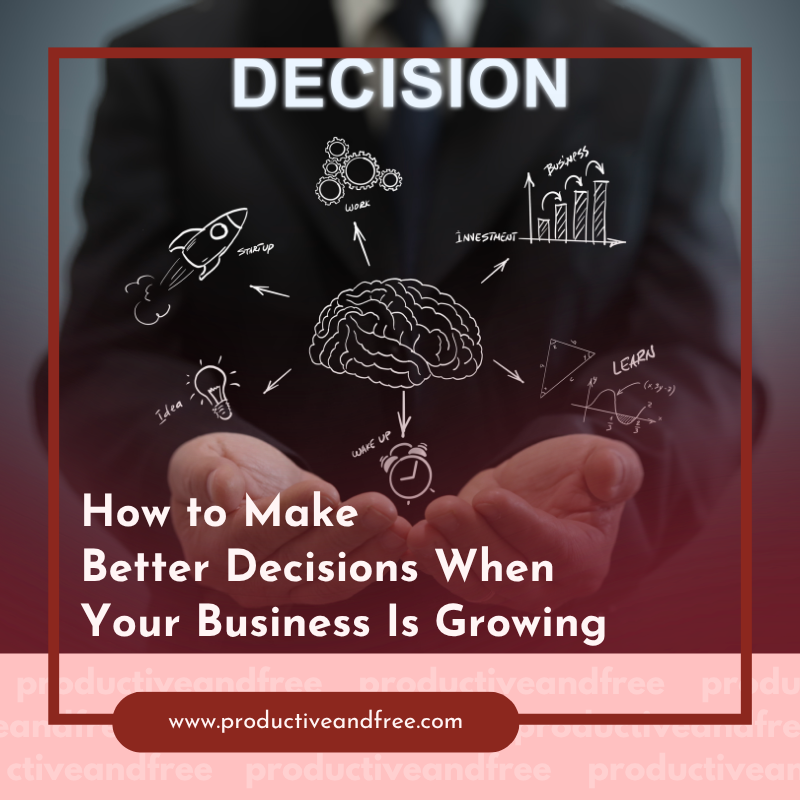
Discover effective strategies for making informed decisions as your business expands. Learn to navigate growth challenges with confidence and clarity.
Enhance your business efficiency by streamlining operations with innovative cloud-based tools designed for seamless collaboration and productivity.
Ready to elevate your small business? Learn simple AI steps you can start using today to enhance productivity and drive growth effortlessly!
Discover essential tips for new CNC machine shop owners about end mills. Learn how to choose the right tools for precision and efficiency in your projects.
Unlock the secrets to sustainable success with The Green Business Blueprint. Learn to incorporate eco-friendly practices into your daily operations today!

Unlock the potential of your kitchen! Learn how investing in the right equipment can elevate your business efficiency and improve overall performance.
Learn why integrating a smooth online store is crucial for boosting your email list growth. Transform your business strategy and engage customers like never before!
Discover how local sports and fitness hubs can foster a culture of emergency readiness, ensuring safety and preparedness for all participants.

Learn how to overcome operational challenges with cutting-edge smart hardware solutions that promote industrial continuity and streamline processes.

Unlock the secrets to building a reliable online payment system for high-risk merchants. Enhance security and streamline transactions effortlessly!
Ready to reclaim your time? Learn how to automate your business effectively and focus on what truly matters. Start your journey to efficiency today!

Uncover the hidden signs of ant infestations that pest control professionals notice. Equip yourself with knowledge to keep your home ant-free!
Share in the comments below: Questions go here
 Productive and Free
STRATEGIC TIME-SAVING TEMPLATES TO HELP YOU GROW YOUR DREAM BUSINESS
Ready to launch your dream business? Explore essential tips for finding the perfect opportunity that fuels your entrepreneurial ambitions.