
5 Common Shipping Errors That Hurt Your Business
Business shipping seems simple in the beginning. You pack an item, print a label and send it on its way. And then suddenly your company grows, your orders increase, and shipping becomes the one department causing stress at every meeting. Late deliveries, damaged products, rising costs, all of these things can hurt even the best of businesses.
Customers expect fast and reliable service, and they notice quickly when something goes wrong. You will be making shipping mistakes when you first start out, but they are easy to fix once you spot them. Here are some of the most common things that businesses get wrong with shipping and how to improve them before your customers start sending angry emails written entirely in capital letters.

You're waiting too long to think about shipping. A lot of businesses focus heavily on products, branding and marketing, while treating shipping like a last-minute task. That can work for a while, but once the order volume grows, problems appear quickly. Even major global companies depend on organized systems involving shipping containers and warehouses and freight networks to keep operations moving. Shipping is no longer just the final step of a sale; it's part of the customer experience. Planning ahead makes a difference, and businesses that take shipping seriously early usually deal with fewer delays, lower costs and happier customers in the long run.
Your packaging is costing you more than you realize. Packaging mistakes are surprisingly common. Some businesses use oversized boxes for tiny items, while others use materials so flimsy that products arrive looking like they survived a tornado. Poor packaging creates multiple problems at the same time. Large boxes increase shipping costs, weak protection leads to damage, and excessive wrapping frustrates customers who feel like they're opening a puzzle instead of a package. Good packaging should feel practical and professional. Customers appreciate boxes that are secure and easy to open, as well as being properly sized.
You're doing too much manually. Some businesses still handle shipping tasks with endless spreadsheets and handwritten notes. It doesn't have to be that way. Technology exists for a reason, and automated shipping software can track your inventory and compare delivery rates while sending customer notifications and organizing orders far more efficiently than manual systems.
You're leaving customers in the dark. Customers are usually more understanding than businesses expect. What frustrates people most is not the delay itself; it's the lack of communication. If an order is late and the customers hear nothing, anxiety builds quickly. People start checking tracking pages every 10 minutes. Like detectives trying to solve a mystery. People don't expect perfection. They do expect honesty and updates along the way.
You're choosing the cheapest option every time. Saving money is important, but constantly selecting the cheaper shipping method creates bigger problems. Low-cost shipping services sometimes come with slow delivery times with poor tracking systems. You want to build trust, and reliable shipping can help you to do that.
Transform your e-commerce operations with powerful tools that boost efficiency and streamline your business processes for optimal performance.
Unlock the secrets to financial resilience for business owners. Equip yourself with practical tips to strengthen your financial foundation and ensure stability.

Ensure your business runs smoothly with our expert strategies to maximize uptime and eliminate delays. Discover how to enhance efficiency today!

Is your marketing data at risk? Delve into the silent threats that could undermine your efforts and find out how to protect your critical information.

Explore the hidden costs of manual processes in insurance claims. Find out how optimizing workflows can significantly improve productivity and profitability.
Learn the vital role of strong documentation in boosting business security. Explore how it safeguards data, streamlines processes, and mitigates risks effectively.

Transform your sales approach with expert tips on outbound sales. Propel your growing business to new heights with actionable insights and strategies.

Uncover the benefits of workplace safety investments. Explore how prioritizing safety can improve employee morale and drive financial returns for your business.

Discover effective strategies for making informed decisions as your business expands. Learn to navigate growth challenges with confidence and clarity.
Enhance your business efficiency by streamlining operations with innovative cloud-based tools designed for seamless collaboration and productivity.
Ready to elevate your small business? Learn simple AI steps you can start using today to enhance productivity and drive growth effortlessly!
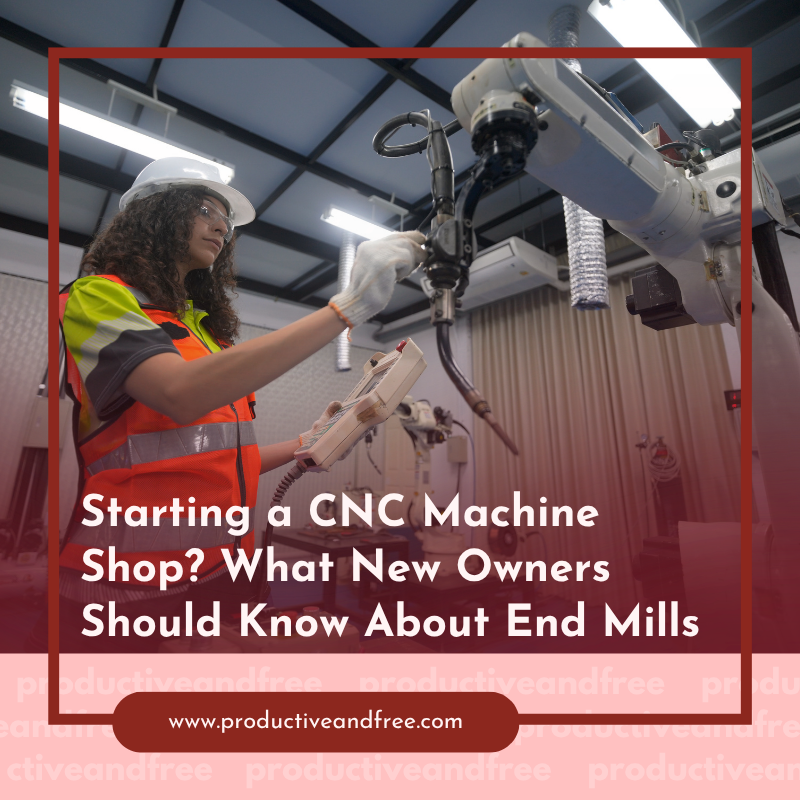
Discover essential tips for new CNC machine shop owners about end mills. Learn how to choose the right tools for precision and efficiency in your projects.

Unlock the secrets to sustainable success with The Green Business Blueprint. Learn to incorporate eco-friendly practices into your daily operations today!

Unlock the potential of your kitchen! Learn how investing in the right equipment can elevate your business efficiency and improve overall performance.

Learn why integrating a smooth online store is crucial for boosting your email list growth. Transform your business strategy and engage customers like never before!
Discover how local sports and fitness hubs can foster a culture of emergency readiness, ensuring safety and preparedness for all participants.

Learn how to overcome operational challenges with cutting-edge smart hardware solutions that promote industrial continuity and streamline processes.

Unlock the secrets to building a reliable online payment system for high-risk merchants. Enhance security and streamline transactions effortlessly!
Ready to reclaim your time? Learn how to automate your business effectively and focus on what truly matters. Start your journey to efficiency today!

Uncover the hidden signs of ant infestations that pest control professionals notice. Equip yourself with knowledge to keep your home ant-free!
Is your service business struggling with call response time? Explore essential insights and strategies to improve efficiency and delight your customers!

Uncover the secrets to hosting a corporate event that stands out. Engage your audience and ensure your event is remembered long after it concludes.

Ensure your sports field project is in good hands! Discover the 7 essential questions to ask before hiring a contractor for a successful build.
Transform your service business with automation! Learn effective strategies to enhance productivity and free up time for growth and innovation.
Discover how to boost productivity in your service business by automating key processes. Streamline operations and focus on what truly matters!
Learn to master team work hours and boost productivity. Transform your team's efficiency and collaboration for outstanding results!
Transform your life with essential software tools designed for intentional lifestyle planning. Invest in your well-being and embrace a healthier, happier you!

Struggling to keep up? Learn the 7 signs that signal when it's time for entrepreneurs to bring in a virtual assistant and lighten the workload.

Discover the essential steps to launch your career in manufacturing engineering, from education requirements to gaining practical experience in the field.
Share in the comments below: Questions go here
 Productive and Free
STRATEGIC TIME-SAVING TEMPLATES TO HELP YOU GROW YOUR DREAM BUSINESS
Discover the top 5 signs that your hiring process may be driving away talented candidates. Improve your recruitment strategy and attract the best talent today!