
How Streamlining Communications Transforms Your Workplace
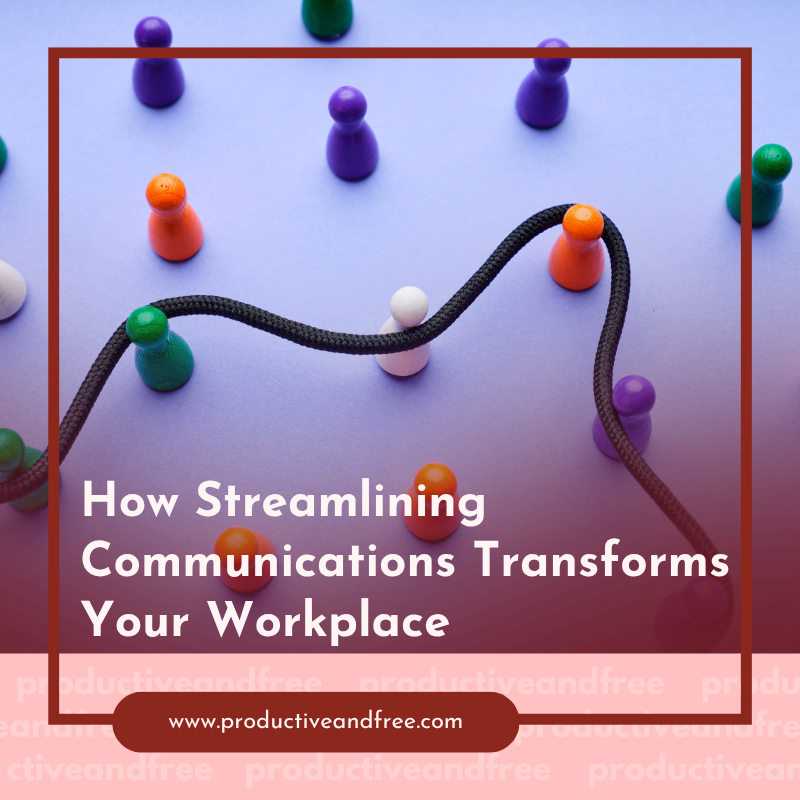
Too much of something can be bad, and that’s definitely true when it comes to workplace communication. Emails pile up, chat notifications keep pinging, and somehow the one message you actually need gets lost in all the mess.
It can feel like everyone is constantly talking, but not much is actually getting through. That’s usually when it starts to feel overwhelming, and it’s a sign that things could probably be simplified.
Why too many messages slow everything down
Most workplaces don’t struggle with a lack of communication. It’s usually the opposite. There’s just too much of it happening in too many places. One message lives in an email, another in some chat, something else in a project tool, and suddenly you’re jumping between five tabs just to piece together one answer. That constant switching drains focus faster than most people expect.
To fix that, it helps to first understand how your workforce communicates. Where are people naturally going for updates? What gets ignored? Once you see the patterns, the problem becomes a lot clearer.

How to simplify the way information flows
Streamlining isn’t about cutting people off or limiting conversations. It’s more about making sure the right things are said in the right places. A simple change like setting clear rules for where information lives can go a long way. For example, project updates go in one tool, quick questions go in chat, and anything urgent follows a clear path.
When that structure is in place, things feel less scattered. People stop second-guessing where to look, and work starts moving a bit faster without all the back-and-forth.
Creating clarity so everyone knows what matters
A lot of workplace stress comes from not knowing what’s actually important. When everything feels urgent, it’s hard to focus on anything properly.
Clear communication helps fix that. Simple signals like tagging urgent messages properly or using shared dashboards can reduce confusion almost immediately. This is also where data analytics can come into play Looking at response times, message overload, or meeting frequency can highlight where communication is breaking down without needing guesswork.
Using smarter tools without adding more complexity
It’s easy to assume the answer is adding more tools, but that can sometimes make things worse. A single place where projects, updates, and files live can reduce a lot of friction. People spend less time searching and more time actually doing the work.
When everything is visible and easy to access, teams tend to feel more in control. There’s just more agency in their hands. That sense of clarity can naturally lead to a more motivated and productive team without forcing it.
Building habits that actually stick
Even the best system won’t work if no one follows it. That’s where habits come in, and they don’t need to be complicated. Encouraging people to check shared resources before asking questions, keeping updates short and clear, and respecting focused work time can all make a difference.
Over time, these small changes build a rhythm. Communication becomes something that supports the work instead of slowing it down, which is usually the goal most teams are aiming for anyway.
Explore the benefits of operational checklists for service businesses. Increase productivity, reduce errors, and ensure top-notch service delivery with ease!

Maximize your Canva lead magnets to generate daily traffic. Explore effective techniques to attract more visitors and enhance your online presence!

Start your journey in electronics manufacturing with our essential guide for new entrepreneurs. Gain insights to launch and grow your business effectively.
Unlock the potential of local news for your business growth. Explore effective ways to engage with your community and boost your brand's presence!

Ready to launch your dream business? Explore essential tips for finding the perfect opportunity that fuels your entrepreneurial ambitions.

Elevate your business with a strategic corporate event plan. Explore the benefits of effective planning for brand growth and impactful networking opportunities.

Turn your property into a powerful income-generating asset. Explore strategies to unlock its potential for passive income and secure your financial future!

Maximize productivity by streamlining your field operations. Explore effective solutions that drive efficiency and elevate your team's performance!
Learn how managers can help employees prioritize tasks with clear goals, deadlines, communication, planning, technology and workload reviews.

Discover how small businesses can leverage AI technology to streamline website launches, enhancing efficiency and reducing time to market.
Learn how data-driven insights can empower small business owners to make informed decisions and boost their success. Start transforming your strategy now!

Explore the hidden effects of your business environment on success. Learn how to leverage these insights for strategic growth and improved performance.

Enhance your business efficiency by avoiding costly interruptions. Explore effective strategies to streamline operations and drive success!

Discover the top 5 signs that your hiring process may be driving away talented candidates. Improve your recruitment strategy and attract the best talent today!
Transform your e-commerce operations with powerful tools that boost efficiency and streamline your business processes for optimal performance.

Unlock the secrets to financial resilience for business owners. Equip yourself with practical tips to strengthen your financial foundation and ensure stability.

Ensure your business runs smoothly with our expert strategies to maximize uptime and eliminate delays. Discover how to enhance efficiency today!

Is your marketing data at risk? Delve into the silent threats that could undermine your efforts and find out how to protect your critical information.

Explore the hidden costs of manual processes in insurance claims. Find out how optimizing workflows can significantly improve productivity and profitability.
Learn the vital role of strong documentation in boosting business security. Explore how it safeguards data, streamlines processes, and mitigates risks effectively.

Transform your sales approach with expert tips on outbound sales. Propel your growing business to new heights with actionable insights and strategies.

Uncover the benefits of workplace safety investments. Explore how prioritizing safety can improve employee morale and drive financial returns for your business.
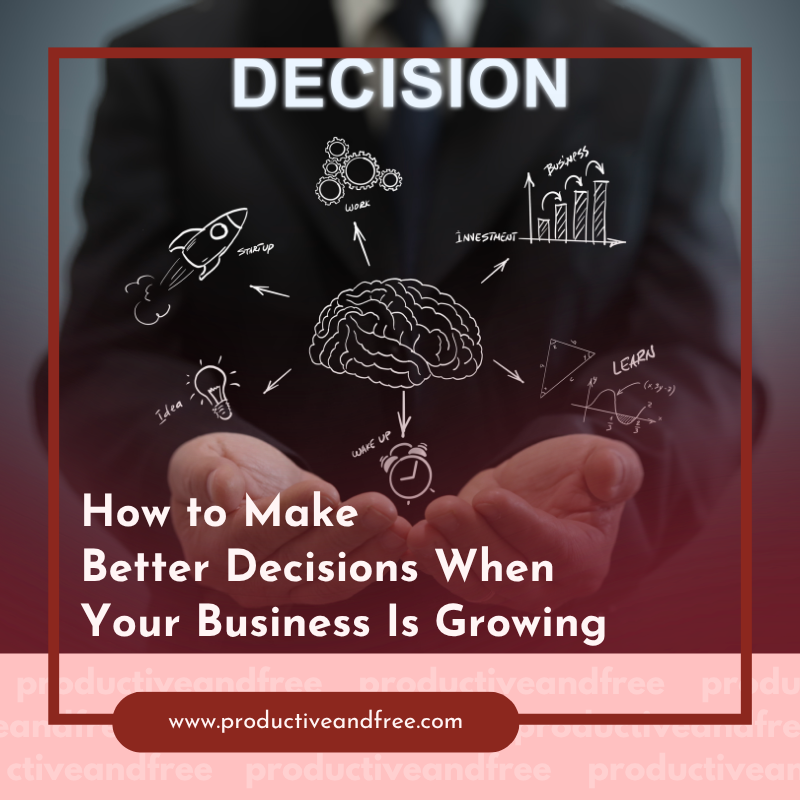
Discover effective strategies for making informed decisions as your business expands. Learn to navigate growth challenges with confidence and clarity.
Enhance your business efficiency by streamlining operations with innovative cloud-based tools designed for seamless collaboration and productivity.
Ready to elevate your small business? Learn simple AI steps you can start using today to enhance productivity and drive growth effortlessly!
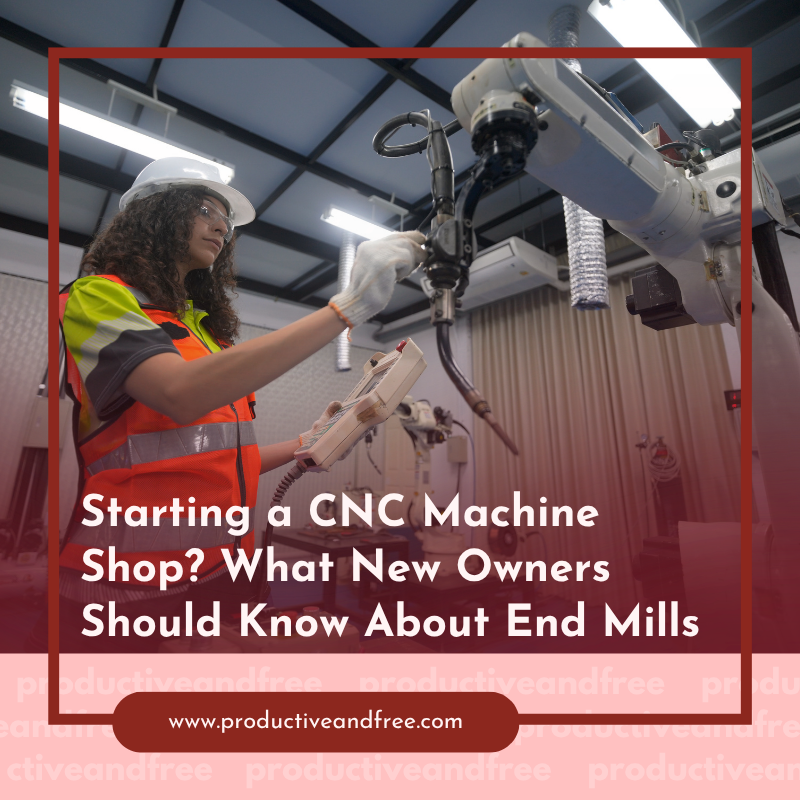
Discover essential tips for new CNC machine shop owners about end mills. Learn how to choose the right tools for precision and efficiency in your projects.

Unlock the secrets to sustainable success with The Green Business Blueprint. Learn to incorporate eco-friendly practices into your daily operations today!

Unlock the potential of your kitchen! Learn how investing in the right equipment can elevate your business efficiency and improve overall performance.

Learn why integrating a smooth online store is crucial for boosting your email list growth. Transform your business strategy and engage customers like never before!
Share in the comments below: Questions go here
 Productive and Free
STRATEGIC TIME-SAVING TEMPLATES TO HELP YOU GROW YOUR DREAM BUSINESS
Discover how traveling can enhance your understanding of customer needs and preferences. Learn valuable insights to boost your entrepreneurial success.