
How Can You Make Yourself More Job-Ready for Hands-On Work
A lot of people get to a point where office-y work, screen-heavy work, or vague corporate work just starts feeling kind of fake. Well, not fake in the sense that it isn’t real work, obviously, but fake in the sense that it can feel flimsy. Which is it? It’s hard to make this a fulfilling career path nowadays (given current events).
Well, technically, any job from any employer from any industry can do that. But with this giant push for AI (as well as offshoring and outsourcing, but mostly AI), all it takes is just one budget cut, one restructure, one leadership “vision,” and now the job that was supposedly stable starts looking a whole lot less stable.
You see this on the news literally every single day, and it’s absolutely horrible to say, but it’s just the norm when at one point in time, this used to not be the norm. This used to be super shameful for a company to do, but it’s not like that anymore (to a degree, it’s like they’re proud about it too). So, as you might be able to see here, it just gets to the point where something else, usually something a little more hands-on, becomes way more appealing.
What to Keep in Mind Here
But of course, liking the idea of practical work and actually looking hireable for it are two very different things. Plenty of people know they want something more solid, but then get stuck on the in-between bit. They don’t know what employers actually want, they don’t know how to make their background sound relevant, and they don’t know where to start without feeling behind already.
And okay, that’s a pretty normal place to be. Still, job-ready usually doesn’t mean perfect (at least it’s not supposed to), and instead, it usually means being reliable, willing to learn, and probably most important here, not acting like the job is “beneath” them.
Get Specific About the Kind of Work You Actually Want
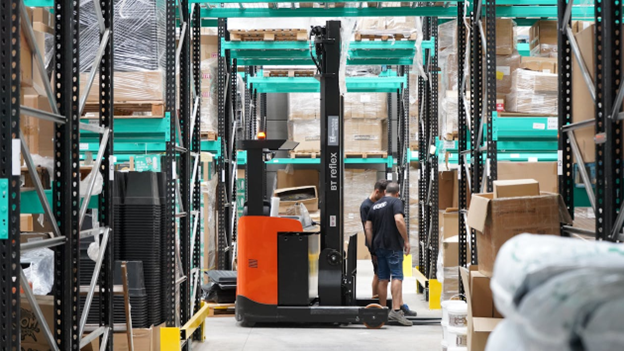
And sure, maybe this sounds obvious, but a lot of people skip it. They say they want “hands-on work,” like that’s one neat category, when really it covers a bunch of different environments that can feel very different in real life. And of course they’re all different, like the work at a warehouse isn’t nearly the same as on a construction site, the same for working in transport, it’s not the same as maintenance, you get the point here. Some jobs are more physical, some are more repetitive, some are more fast-paced, and some involve a lot more safety procedures than people expect.
So, before trying to become more job-ready, it helps to figure out what kind of practical work actually sounds manageable and appealing. But you absolutely have to be super realistic with yourself here because this can’t be fantasy appealing, but it needs to be real-life appealing.
You have to keep in mind here that it’s pretty common to have early starts, noise, weather, lifting, shift work, standing all day, team environments, that kind of stuff. A lot of people romanticize the idea of hands-on work because they’re burned out from desk jobs, then act shocked when the practical side turns out to be, well, practical. Better to get honest early.
Just Read the Job Ads Like They’re Giving You Answers
It probably helps to know that when it comes to more hands-on jobs, they’re usually not vague, and they’re not shoving as many buzzwords together in one sentence like you usually find with white-collar positions. So that does help. Overall, here, job ads are basically little cheat sheets. Not because every employer writes them well, plenty don’t, but because the same patterns show up again and again. Usually, it’s reliability, safety awareness, willingness to learn, ability to follow instructions, physical capability, teamwork, time management, basic communication, and comfort in fast-moving environments. These are usually the words you’re doing to see.
For the most part here, this is also where people start seeing what they may already have going for them. Maybe the past work wasn’t in warehousing or construction, sure, but maybe it still proves pace, consistency, customer dealing, problem-solving, organization, or stamina. Believe it or not, here, but a lot of skills transfer better than people think. They just need to be translated properly instead of being buried under bland resume wording.
But How Can You Become Transferable?
This is where a lot of resumes go wrong. They sound like somebody fed a normal work history into a machine and got back a pile of lifeless business jargon. Even when it comes to using AI tools, the mark still gets missed here. So saying generic things like “dynamic tram contributor” or “results-driven self-starter” just isn’t going to work at all here.
Honestly, the more hands-on industries usually respond better to people who sound grounded. Somebody who’s reliable. Somebody who’s worked hard before. Somebody who understands pace, routine, and responsibility. Buzzwords very rarely actually work, so don’t try to inflate your resume. However, it can help to look into getting qualifications and training early on.
For example, why not look into certifications or getting a license? You could look into EWP training as an example here if you’re aiming more for construction support, maintenance, or even just roles involved with elevated access equipment. Again, just an example, but there are a lot of options out there for training and getting accreditations.
Don’t Underestimate How Much Reliability Matters
No, seriously, this really can’t be overstated. A lot of people assume employers are chasing the most impressive candidate in the room, when half the time, they’d be thrilled with somebody who’s dependable and not a headache. That sounds basic because it is basic, but basic things are exactly where a lot of applicants fall apart.
Literally, it can be as simple as that (well, not all employers, but a good chunk of them at least). They want people who show up, show up on time, reply properly, follow through, not vanishing halfway through the hiring process (which is so common). They don’t want someone who flakes, and a lot of people do because a lot of people have this idea that this type of work is “beneath” them.













Share in the comments below: Questions go here
Maximize your Canva lead magnets to generate daily traffic. Explore effective techniques to attract more visitors and enhance your online presence!