
Food & Beverage Recruitment Trends: Building a Career Without Burnout
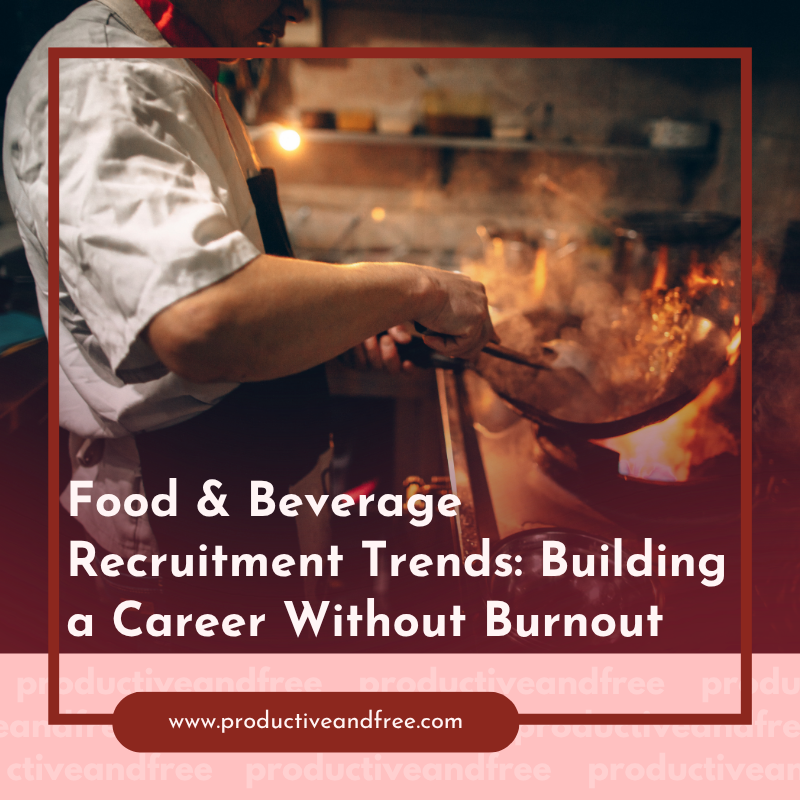
The food and beverage industry has always been fast-paced, demanding, and highly dynamic. From restaurant kitchens to large-scale hospitality operations, professionals are expected to perform under pressure while maintaining quality and consistency. However, in recent years, a new conversation has taken canter stage—how to build a sustainable career in this industry without burning out.
The Shift Toward Sustainable Careers
Traditionally, long hours and high stress were seen as part of the job. But today, both employers and employees are rethinking this model. Businesses are beginning to recognize that burnout leads to high turnover, reduced productivity, and lower morale.
As a result, companies are now focusing on:
● Flexible scheduling
● Improved workplace culture
● Mental health support
● Better compensation structures
This shift is creating more opportunities for professionals to grow their careers while maintaining a healthier work-life balance.
Rising Demand for Skilled Talent
The industry is currently facing a talent shortage, especially for skilled and experienced roles. This has increased the importance of hiring the right people efficiently.
Many businesses are turning to a specialized food and beverage recruitment agency to find candidates who not only have the right skills but also align with company culture and long-term goals. This approach helps reduce hiring mismatches and supports employee retention.
Career Growth Without Overload
For professionals, building a career without burnout requires a strategic approach. It’s no longer just about working harder—it’s about working smarter.
Here are a few ways to achieve that:
1. Choose the Right Work Environment
Not all workplaces are the same. Look for companies that prioritize employee well-being, structured shifts, and growth opportunities.
2. Upskill Strategically
Investing in skills such as management, operations, or specialized culinary techniques can open doors to higher-paying and less physically demanding roles.
3. Set Boundaries
Clear communication about working hours and responsibilities can prevent long-term exhaustion.
4. Explore Alternative Roles
The industry offers more than just front-line positions. Roles in training, consulting, supply chain, and operations can provide stability and growth with less stress.
Technology Is Changing the Game
Technology is also playing a major role in reducing burnout. From automated scheduling tools to inventory management systems, digital solutions are helping teams work more efficiently and reduce unnecessary workload.
Additionally, data-driven hiring processes are making it easier for employers to find the right candidates quickly, minimizing operational gaps.
The Future of Food & Beverage Careers
The future of the industry looks promising—but different. Companies that adapt to modern workforce expectations will attract better talent and build stronger teams. At the same time, professionals who prioritize balance and continuous learning will find more sustainable career paths.
Burnout doesn’t have to be inevitable. With the right support systems, smarter hiring practices, and a focus on well-being, it’s entirely possible to build a long-term, fulfilling career in the food and beverage industry.






























Share in the comments below: Questions go here