
Common Challenges Faced by Industrial Sites
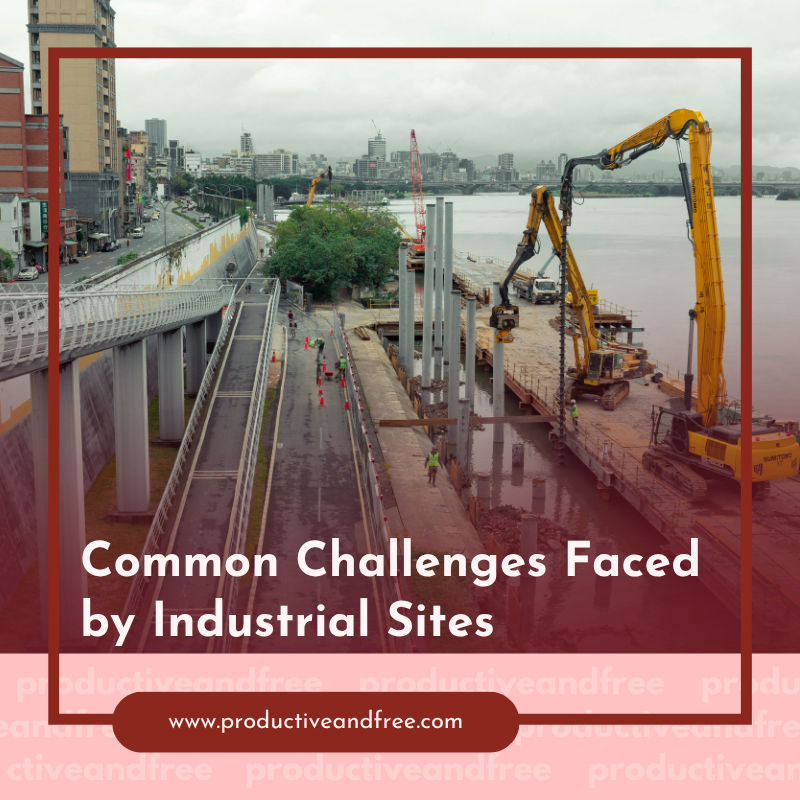
Industrial sites are important components of many industries, fuelling production and providing goods and services daily. But keeping operations running in such environments can be challenging. From logistical hurdles to workforce continuity concerns, industrial sites face many hurdles that threaten efficiency and cost-cutting goals. In this blog, we will look at some of the more commonly faced issues at industrial sites as well as strategies on how best to tackle them.
The Never-Ending Battle with Dirt and Debris
Industrial environments can be notorious for collecting dirt and debris. Maintaining cleanliness can be an ongoing struggle as dust from production processes settles onto factory floors, oil leaks create oily messes that spread on their own, or waste accumulates due to production failure. Poor cleanliness poses safety risks that could potentially compromise the equipment operation or lead to equipment malfunction or inefficiencies. Good cleaning solutions include scheduling regular maintenance checks on industrial-grade equipment as well as training staff in proper hygiene practices. Outsourcing to professional industrial cleaning services is a viable way of meeting compliance standards while simultaneously relieving the internal labor strain on-site.
Maintaining separation and cleanliness during industrial work also requires careful attention to the materials being cut, as loose debris and residue can quickly affect nearby operations. For projects involving precise metal components, Commercial CNC Laser Cutting Services can help determine suitable cutting considerations, including material thickness, edge requirements, and the need to control heat or debris around active work areas.
Keeping an industrial site clean can be even more challenging when maintenance, refurbishment, or other work is taking place alongside normal operations. In these situations, separating the work area from the rest of the site can help prevent dust and debris from spreading into areas that need to remain clean and operational. Hoarding systems and temporary walls can create a temporary barrier around work zones, helping to contain dust and debris while also keeping people away from areas where work is being carried out. This can make it easier to maintain cleaner, safer conditions while the work is underway.
Staff Turnover: The Revolving Door Problem
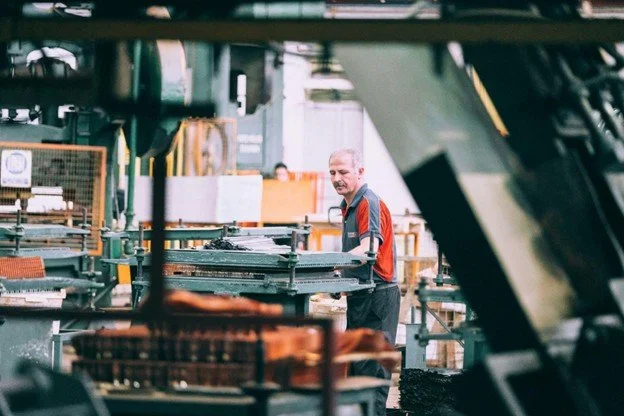
Industrial sites frequently experience high rates of staff turnover. Replacing experienced workers can be time- and cost-prohibitive. Training newcomers is costly, time-consuming, and often results in an inability to integrate. Reasons for staff departure range from harsh working conditions, lack of job satisfaction, or uncompetitive pay. To mitigate this situation and promote retention among staff members, create an inviting work culture with proper health and safety measures in place, career advancement opportunities, and fair wages. Recognising employee contributions while encouraging open communications helps promote staff retention among the workforce members as a whole.
Maintenance Mishaps and Equipment Downtime
Industrial sites depend heavily on their equipment’s smooth functioning to remain efficient. When the equipment unexpectedly breaks down or goes offline for extended periods, it can halt the entire operation, leading to missed deadlines and dissatisfied clients. Unfortunately, many such issues result from inconsistent maintenance schedules or the neglecting of warning signs such as wear-and-tear. With regular preventive maintenance schedules, real-time monitoring technologies, and having spare parts readily available, preventative maintenance can alleviate these problems, saving money while making projects run without interruptions.
Environmental Compliance and Waste Management
Industrial sites face increasing pressure to comply with environmental regulations. Poor waste management practices or noncompliance with local laws can result in heavy fines and irreparable reputational harm. Since sites generate considerable amounts of waste, from chemical by-products to packaging materials, adopting more sustainable disposal practices must become a top priority if compliance and footprint reduction are to remain successful. Recycling initiatives, investing in eco-friendly technologies, and working with specialists are important steps in staying compliant while also reducing environmental footprint.
Conclusion
Addressing the challenges encountered by industrial sites requires a proactive and solid system. Prioritising cleanliness, increasing worker retention rates, reinforcing maintenance schedules, and adhering to environmental regulations can help industrial hubs operate at their optimal best. Overcoming these hurdles isn’t just about functionality. It’s about creating an environment that runs with efficiency, compliance, and employee satisfaction. A better site is what opens doors for industrial success


























Share in the comments below: Questions go here

Ready to launch your dream business? Explore essential tips for finding the perfect opportunity that fuels your entrepreneurial ambitions.