
Still Renting? Here's How To Make It Work Financially
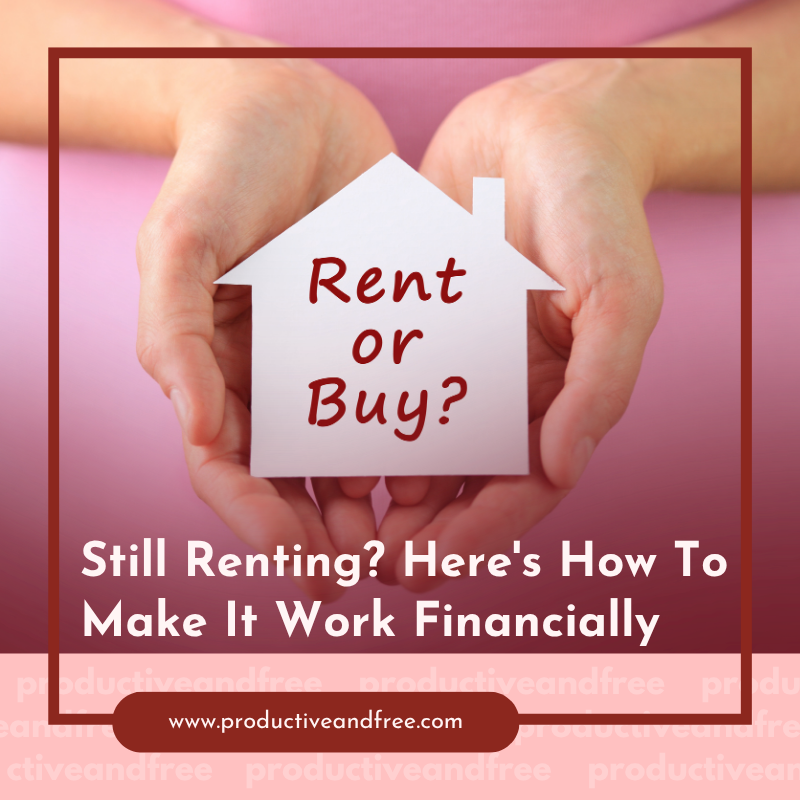
Millions of people rent their properties across the country, and many believe that it's just throwing money away. Technically, though, this isn't the case. Rent pays for housing services, similar to a mortgage, but it also gives you more flexibility, lower upfront costs, and freedom from maintenance problems.
If you're renting, here are some of the ways you can make it work for you financially. Taking the right approach can improve your life's financial trajectory and allow you to have the lifestyle that you want in the future.
Create a budget to track every dollar
One of the first things many people do is create a budget to track every dollar. The standard advice is to follow the 50/30/20 rule:
● 50% of your budget on essentials like rent and utilities
● 30% on the things you actually want, like going out for dinner at a nice restaurant
● 20% on savings or paying off debt
What's nice about renting is that it keeps your housing costs predictable. It's the landlord's responsibility to deal with maintenance challenges like redoing the guttering or clearing up damp in the basement. It's not your responsibility. Because of this, you know exactly how much money is going out every month, and you can supercharge your finances.

Cut your rent without moving
Another thing you can do when you're renting is literally cut your rent without moving. If you're paying for a two-bedroom property but you're only using one bedroom, then you can rent out the other one to a friend or a work colleague. This can literally halve your housing costs.
Another option is to negotiate your lease. Landlords absolutely hate turnover costs because it involves marketing, paying management fees, and then finding new tenants that they can trust. If you're somebody who's been paying rent on time for a couple of years, that's a valuable asset for them, and you have real wiggle room. You could ask them for things like waived fees or free parking to get more from your deal. You could also ask them to avoid increasing your rent.
If none of that works, then as a renter you always have the option to downsize and relocate when your term comes to an end. If you are currently renting a three-bedroom apartment but it's more than you need, you can downsize to a one-bedroom while you get your finances sorted.
Pay off your high-interest debt first
Rent might be eating away at your finances, but high-interest debt is a worse form of expense because you're essentially getting nothing for it. Instead, you're trying to pay off money that you borrowed in the past.
If you have a lot of high-interest debt, pay off the most costly credit cards first, then move on to things like personal loans and other unsecured finance products that are eating away at your personal financial well-being. When you do this, you'll notice that your financial situation is better than you thought it would be.

Build wealth instead of just saving
One of the reasons many financial gurus recommend taking out a mortgage is that it's a form of enforced saving and equity building. Even if you have a 30-year mortgage, the money you pay is still going into your home, while most of it will be interest over a period of that length. It's forcing you to save and invest in your house so you have a nest egg that you can rely on in the future.
That isn't the case with renting, and this is one area where you have to be careful. When you're renting, you need to actively consider how you're building wealth. The best way to do this is to automatically transfer money every month to a tax-advantaged savings account. This can then be invested, and you can make a return every year. If you can, look to invest 15 to 20% of your income. Historical stock market returns are around 8 to 10% in most places around the world, and this may continue in the future as long as the current system survives.
Protect yourself against losses
Another key piece of advice is to get tenant insurance to protect yourself against losses. Many renters forget to do this, assuming that their landlord's insurance will cover them for everything. Landlord insurance usually only covers the building structure and fixed utilities inside it. It doesn't cover your personal possessions or anything else that you might be keeping on the property. You'll need to insure these separately so that, in the event of a fire or burglary, you can recover the cost.
Make sure you get tenant insurance specifically. It's a different product from homeowners insurance, even though it has the same function. You may also need to insure high-value items, such as:
● expensive bicycles
● gold bullion
● jewelry
● rare collectibles
House hack your way to success
Another option is to house hack. If you're fed up with renting whole places to yourself, there are many opportunities to simply buy out a room. For example, you could buy a room in a triplex or duplex, or rent a room in a townhouse. Paying rent for these is often much cheaper, especially in a large city, than a standard rental.
The other option is to get a house on a mortgage and then rent out all of the rooms in it and become a landlord yourself. You'll need a bit of capital for this, but sometimes you can make a significant profit while gaining ownership of a valuable asset.
Use a rent versus buy calculator
Finally, you might want to use a rent versus buy calculator. These sophisticated tools, available for free online, tell you whether you should rent or buy depending on your financial situation and location.
Sometimes renting remains the cheaper monthly option, and while it might feel like you're throwing money away, it can actually benefit you financially if you're disciplined. You might also want to buy if you're looking to build wealth. Ask yourself how long you'll stay and whether you can afford maintenance surprises. If you plan on staying a long time and you do have the funds to look after a property, then buying might be the better option.



















Share in the comments below: Questions go here
Uncover the secrets to hosting a corporate event that stands out. Engage your audience and ensure your event is remembered long after it concludes.