
Employee Engagement Ideas That Go Beyond Free Pizza
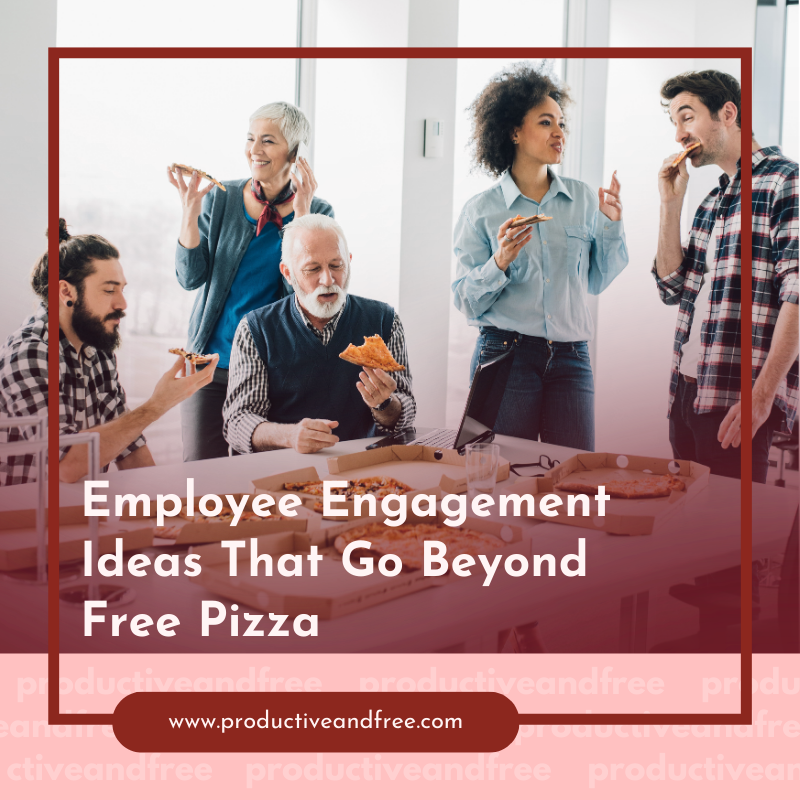
Look, we've all been there. Morale is dipping, people seem checked out, and someone suggests throwing a pizza party. It feels like a fix, but a week later, nothing's changed. The truth is, your team doesn't need more free food. They need to feel genuinely valued, connected, and energized. This guide covers practical engagement ideas that truly make an impact and give your people something worth showing up for.
Why the Old Playbook Isn't Working Anymore
Recent data shows a concerning trend in employee engagement. Employee engagement in the U.S. dropped to just 31% in 2024 - the lowest it's been in a decade, according to Gallup. That means about seven out of ten workers are either going through the motions or actively disengaged. And globally, that disengagement is costing the economy an estimated $8.8 trillion in lost productivity every year.
The takeaway here isn’t doom and gloom. It's that surface-level perks like casual Fridays and breakroom snacks aren't solving anything. People want clarity in their roles, recognition for their contributions, and real opportunities to connect with the people they work alongside. If your engagement strategy starts and ends with food, you're leaving a lot on the table.
So what actually works? Let's get into it.
Bring In Live Entertainment That Gets Everyone Involved
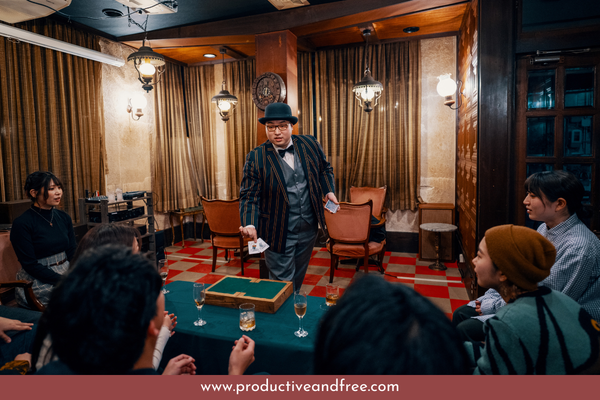
One of the fastest ways to break the routine and bring your team closer together is booking interactive live entertainment for your next company event. Skip the generic DJ or karaoke setup. Instead, look for performers who actively involve your team in the experience.
Mentalists and mind readers, for example, have become a popular pick for corporate events because they create shared "how did they do that" moments that get people talking long after the event ends. Christophe Fox, a mentalist who's performed at over 1,000 corporate events for companies like Amazon and Deloitte, is a good example of this format done right. These types of experiences can also strengthen team bonding and communication.
The key is choosing entertainment that encourages interaction, not just observation. Whether it’s a high-energy performer or a more low-key, mindful team-building event, the goal remains the same: turning a company event from an obligation into something your team genuinely looks forward to. Interactive experiences often help to strengthen connections among colleagues.
Run Stay Interviews Instead of Exit Interviews
Most companies wait until someone's already heading out the door to ask what went wrong. By then, it's too late. Stay interviews flip this approach entirely.
These are short, informal check-ins where managers ask current employees what keeps them motivated and what might make them consider leaving. It's a proactive approach that gives you real-time insight while there's still time to act on it.
Here are a few questions that work well in stay interviews:
● What’s the best part of your day-to-day work right now?
● Is there anything that frustrates you that we could realistically fix?
● Do you feel like your skills are being fully utilized here?
● What would make you start looking elsewhere?
The magic of stay interviews is simple: people feel valued just by being asked. The insights you gain are far more useful than anything you would get from an exit survey.
Give Employees a Real Voice With Reverse Town Halls
Traditional town halls usually go one direction: leadership talks, everyone else listens. Reverse town halls flip the dynamic. Employees share their questions, concerns, and ideas, and the leadership actively listens and responds immediately.
This format is effective as it fosters trust among employees. When people see that their feedback is heard (and acted on), they're far more likely to stay engaged. According to SHRM research, employee experience ranked as the second-highest HR priority in 2024, and transparent communication is one of the biggest drivers behind it.
Here are a few tips for running a good meeting:
● Give employees time to submit questions in advance so introverts can participate too
● Have leadership commit to following up on at least two or three action items within 48 hours
● Rotate which departments or teams lead each session
It doesn't have to be fancy. It just has to be consistent and genuine.
Start a Peer-to-Peer Recognition Program
Recognition from a manager is great. But recognition from a coworker hits differently. Peer-to-peer recognition programs enable employees to acknowledge each other's accomplishments, regardless of their size, thereby fostering a culture from the foundation up.
According to a Workhuman report from 2024, employees who receive sufficient recognition at work are 9 times more likely to be engaged. And yet, 55% of employees say they don't receive enough recognition at all. This imbalance creates a significant gap, and peer recognition is one of the simplest ways to address it.
| Recognition Type | Best For | Cost |
|---|---|---|
| Public shout-outs (Slack, email, meetings) | Day-to-day wins | Free |
| Points-based reward systems | Sustained engagement | Low-moderate |
| Handwritten notes from leadership | Milestone moments | Free |
| Spot bonuses tied to specific contributions | High-impact work | Moderate |
You don't need expensive software to get started. A dedicated Slack channel, a shared doc, or even a physical "kudos board" in the office can work just fine. What matters is that it happens regularly and feels authentic.
Offer Flexible Recharge Time
Burnout is one of the biggest engagement killers out there. And while unlimited PTO policies sound great on paper, many employees don't actually use them because of the pressure to always be "on."
A better approach? Build small recharge opportunities into the regular work rhythm.
● Let people block off "no-meeting" afternoons once a week
● Offer a half-day off once a month during slower periods.
● Give employees a yearly passion day to pursue something outside their normal role, such as volunteer work, a creative project, or a skill they have been wanting to learn.
These gestures don't cost much, but they send a clear message: we trust you, and we care about you beyond your output. If you're looking for more ways to keep your team motivated and productive, small shifts like these tend to compound over time.

Invest in Cross-Team Collaboration
Silos kill engagement. When people only interact with the same five coworkers every day, it's easy to feel disconnected from the bigger picture.
Cross-department projects and collaboration days effectively address this issue. Once a quarter, pair different teams together to tackle a shared challenge or brainstorm fresh ideas. Marketing works with development. Sales partners with customer support. Engineering teams up with design.
These collaborations break down barriers, build empathy, and often spark creative solutions that might not arise in a regular meeting. They also give employees the opportunity to develop skills outside their usual role, something that people are increasingly valuing in their careers.
FAQ
How often should we run engagement activities?
Engagement isn't a one-time event. Aim for a mix of weekly micro-moments (like peer recognition) and quarterly major efforts (like team events or collaboration days). Consistency matters more than scale.
Do engagement ideas work for remote teams?
Absolutely. Virtual coffee chats, async recognition channels, and online team challenges all translate well to remote setups. The key is making people feel seen, regardless of where they're working from.
What's the biggest mistake companies make with engagement?
Treating it as a checkbox. Throwing a party or sending a survey once a year doesn’t build culture. Engagement must be integrated into how your team operates every day.
How do you measure employee engagement?
Pulse surveys, participation rates in optional activities, and one-on-one check-ins are all solid indicators. Track trends over time rather than obsessing over a single data point.
Key Takeaways
● Employee engagement hit a 10-year low in 2024, proving that surface-level perks aren't cutting it anymore
● Interactive experiences like live entertainment create genuine shared moments that build team connection
● Stay interviews give you actionable insight before it's too late to retain great people
● Peer recognition programs are low-cost, high-impact, and close a major gap in how employees feel valued
● Flexible recharge time signals trust and helps prevent burnout
● Cross-department collaboration breaks silos and sparks innovation
● Managers are the biggest influence on team engagement, so it's important to invest in them accordingly.








Share in the comments below: Questions go here
Ready to launch your dream business? Explore essential tips for finding the perfect opportunity that fuels your entrepreneurial ambitions.