
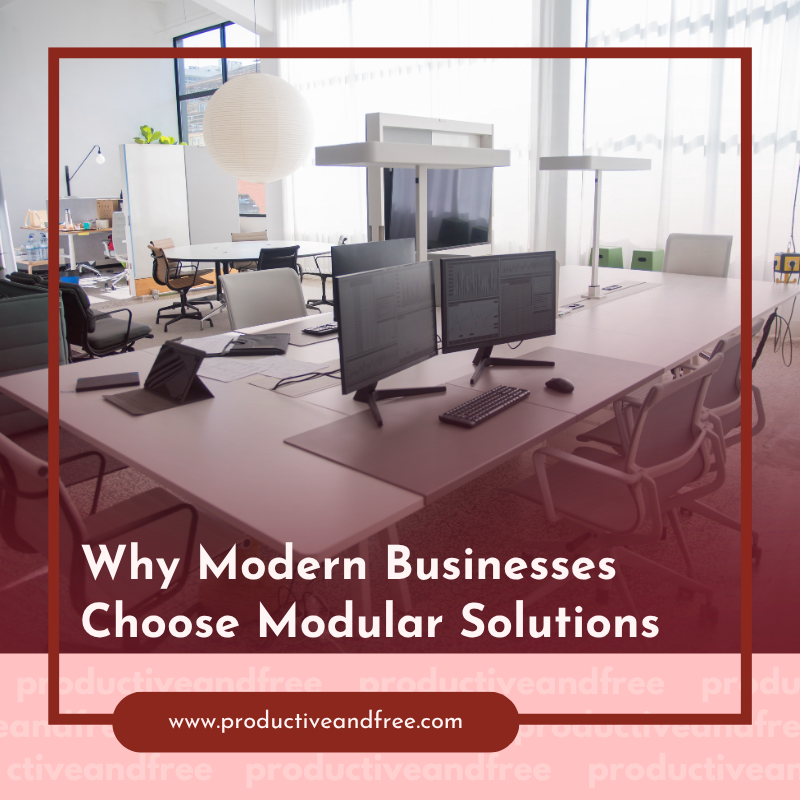
Why Modern Businesses Choose Modular Solutions
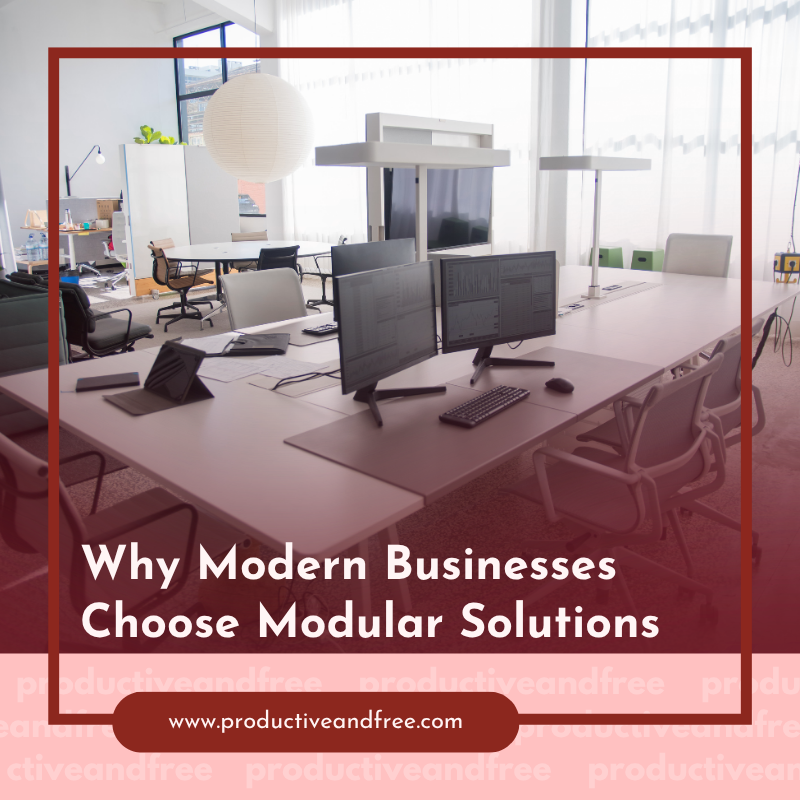
Businesses today need to be agile. It's not just a nice-to-have; it's essential. The companies that really succeed are the ones that can quickly adjust to market changes, scale their operations smoothly, and use their resources wisely. That's why many modern businesses are moving away from old-school construction and choosing modular solutions for their physical spaces. Whether it's expanding an office or building specialized facilities, modular construction offers a great mix of speed, flexibility, and cost-effectiveness. This fits perfectly with what businesses need now.
Flexibility in Business Growth
Managing physical space is a big challenge for growing businesses. If demand suddenly jumps, you might need more storage. A new project could mean needing extra offices for a temporary team. Traditional construction is often too slow and too permanent to handle these changing needs. Modular solutions offer a way out, allowing businesses to easily scale their infrastructure up or down as needed.
This flexibility is super valuable. A company can start with a main facility and just add new modules as it grows. This could mean adding new office pods, conference rooms, or even special work areas. On the flip side, if a business needs to downsize or reallocate resources, modules can often be relocated or reconfigured. For companies that need to quickly expand their storage or operations, options like portable storage buildings for sale can provide a fast, effective solution without the big commitment and high cost of a permanent addition.
Speed of Deployment Benefits
Time is crucial for any business. Traditional construction often involves long timelines, which can mean months or even years of disruption and lost productivity. Modular construction drastically cuts down this time. Building parts are made off-site in a controlled factory while the site itself is being prepared. This can cut the total project time by up to 50%.
This faster schedule means businesses can get up and running much sooner. They can start making money and serving customers while competitors are still waiting for concrete to dry. The tech industry, for example, has widely adopted this approach to create modular data centers to meet the huge demand for cloud computing and data storage. This quick deployment lets companies grab market opportunities without being held back by construction delays.
Customizing Your Business Space
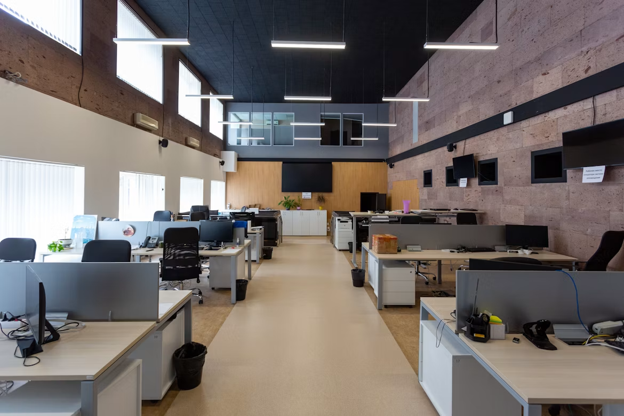
Some people mistakenly think modular construction means boring, cookie-cutter buildings. But it's actually the opposite. Modern modular design allows for extensive customization. Businesses can create spaces that are perfectly suited to their specific operational needs and brand identity. You have many options, from the overall layout to interior finishes and exterior siding.
The benefits of modular architecture include being able to design spaces that are both practical and good-looking. A healthcare provider can design a modular clinic with specific layouts for exam rooms and labs. A creative agency can design an open-plan office that encourages teamwork. This level of customization ensures the physical space is an asset that boosts productivity and strengthens the company's culture, rather than a problem to work around.
Sustainable Business Practices
More and more, businesses are making sustainability a priority. It's not just about following rules; it's a core part of their brand. Modular construction has several environmental benefits compared to traditional methods. The factory production process creates much less material waste because materials are ordered and cut precisely. This controlled environment also means a lower risk of weather-related damage and material loss on the construction site.
Plus, many modular buildings are designed to be energy efficient. They can come with high-performance insulation, energy-efficient windows, and sustainable materials. This leads to lower energy use and reduced operating costs over the building's lifetime. The fact that modules can be moved and reused also helps create a circular economy, reducing the environmental impact of demolition and new construction.
Businesses are always looking for smarter, more efficient ways to operate. Because of this, the move toward modular solutions will only accelerate. It's a practical, forward-thinking way to build the physical spaces that will support productive, free businesses of the future.













Share in the comments below: Questions go here