
Practical Event Planning Tips for a Better Guest Experience
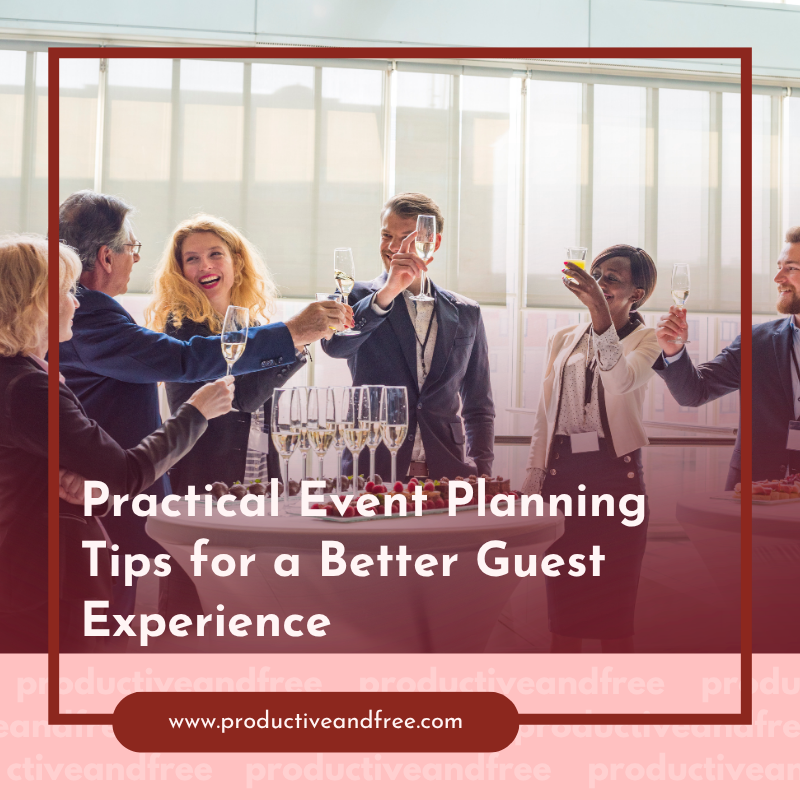
Planning a memorable event, whether it's a community festival, a corporate function, or a large family reunion, means juggling a lot of details. The difference between a chaotic gathering and one that runs smoothly often comes down to a few smart moves made right from the start. Getting good at these event planning tricks can turn a stressful process into something manageable and even fun. With the right plan in place, you can stay organized, avoid last-minute stress, and give your guests an experience they’ll actually enjoy.
Plan Early to Avoid Last-Minute Stress
The biggest reason for event-day stress is not planning enough, or not planning early enough. Putting things off is the enemy of a successful gathering. The best way to approach it is to pick your event date and then work backward. Create a timeline with specific deadlines for every big decision. This includes booking a venue, confirming vendors, sending invitations, and finalizing the guest list. A good timeline stops that last-minute rush that often leads to expensive mistakes and compromises.
Beyond just scheduling, you need to know why you're holding the event. Are you trying to build team spirit, celebrate something big, or launch a new product? Your main goal will guide every choice you make, from who you invite to what food you serve. Also, set up a detailed budget early on. Make sure to add a backup fund of at least 10-15% of your total cost. This extra money will cover unexpected expenses without messing up your whole plan. Starting with these details gives you a clearer plan to follow and makes each decision feel less rushed.
Plan the Space Around Guest Flow
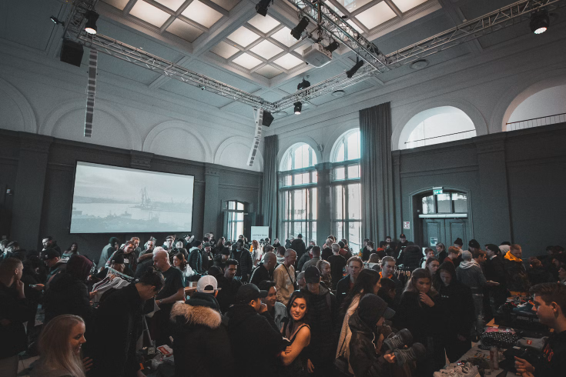
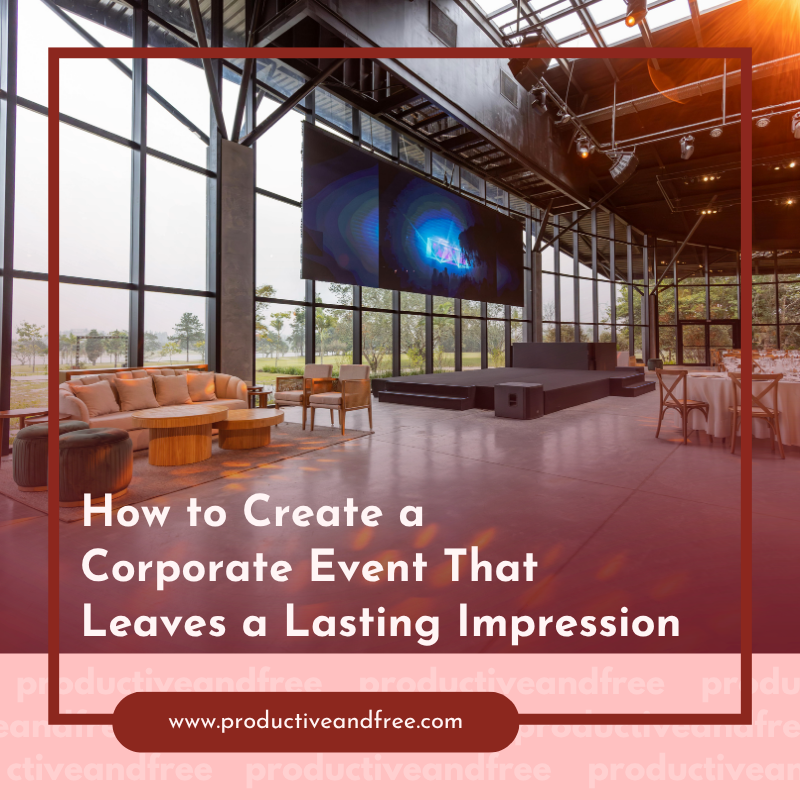
How guests move around your event space really affects their experience. A bad layout can cause annoying backups at entrances, food stations, or restrooms. Before your event, walk through the venue and imagine how guests will move. Where will they come in? Where will they get a drink, find a seat, or use the restroom? Thinking about this flow helps you put key things in the right spots to keep people moving smoothly.
For instance, don't put the bar right by the main entrance. That can cause a crowd as soon as people arrive. Instead, place it deeper inside the space to draw people in. Create separate areas for different activities: a quieter spot for talking, a specific place for eating, and a main area for entertainment. If you're planning a corporate event, gala, or product launch, you can also designate a space for interactive experiences such as a Glambot rental, giving guests an entertaining way to capture high-quality slow-motion videos while encouraging social sharing.
Use signs well to guide guests and answer common questions like "Where's the coat check?" This way, you prevent confusion, and your guests can relax and enjoy the atmosphere you worked hard to create.
Create a Safe and Well-Managed Event Space
A successful event is a safe event. It might not be the most exciting part of planning, but making sure your guests are safe and secure is a basic responsibility. This starts with having a clear plan for emergencies. Set up and clearly mark a first-aid station, even for smaller events. Make sure your staff knows who the go-to person is for any medical issues. It's also smart to have contact info for local emergency services handy.
For bigger or outdoor events, managing the space is super important. You need to mark the event boundaries, guide foot traffic, and secure any areas guests shouldn't enter. This includes staff-only zones or places with sensitive equipment.
This is where a simple solution like temporary fence hire comes in handy. It lets you create clear paths, stop crowding in sensitive spots, and set up a secure border for your gathering. It also helps guests understand where to go, where not to go, and how to move around the event without confusion.
Essential Equipment for Any Event
When you make your equipment list, it's easy to remember the big stuff like tables, chairs, and speakers. But some of the most overlooked details about events are the small items that keep everything running smoothly behind the scenes. A good event setup should cover comfort, safety, power, and backup tools, not just the obvious furniture and sound system.
Event emergency kit: Keep zip ties, duct tape, scissors, tape, cable ties, extension cords, power strips, batteries, pens, markers, and basic first-aid items in one easy-to-find box. These simple tools can fix a wobbly sign, secure a loose cable, or help with small problems before they become stressful.
Power and charging: Make sure you have enough extension cords and power strips for speakers, lights, laptops, food stations, and registration desks. A charging station for phones and other devices is also a thoughtful touch, especially for longer events.
Guest comfort items: Think beyond seating. If your event is outside, check whether you need portable heaters, fans, shade, umbrellas, or extra water stations. Small comfort details can make a big difference to how long guests stay and how relaxed they feel.
Audio-visual equipment: For presentations, music, or announcements, test microphones, speakers, projectors, screens, and any videos before guests arrive. It’s also smart to have backup cables and adapters ready in case something does not connect properly.
Signage and crowd flow: Clear signs can help guests find entrances, toilets, food areas, first-aid stations, and exits without needing to ask staff every few minutes. This keeps the event moving smoothly and helps avoid confusion.
Having the right equipment ready and checking it beforehand stops small problems from messing up your event's flow. It also shows your guests you've thought about their needs, not just the main schedule.
Make the Post-Event Cleanup Easier
The event isn't truly over until the last piece of equipment is packed up and the venue is clean. A messy cleanup process can add hours of stress to an already long day, so it helps to plan the teardown just as carefully as the event itself.
Create a breakdown checklist: List every task that needs to happen after the event, from collecting decorations and rentals to checking toilets, seating areas, and backstage spaces. This keeps your team from forgetting small but important jobs.
Assign tasks before the event starts: Make sure everyone knows who is responsible for what. One person can handle rental returns, another can manage trash, and someone else can do the final venue walk-through.
Confirm vendor pickup times: Talk to your vendors before the event day so you know when tables, chairs, sound equipment, catering items, or decorations need to be collected. This helps you avoid delays and stops items from being left behind.
Sort waste properly: If you can, set up separate areas for rubbish, recycling, and compost. This makes cleanup faster and helps the venue team or waste collection service handle everything more easily.
Do a final check of the venue: Walk through the space before leaving to check for lost property, damage, leftover equipment, or anything that needs to be reported. Taking photos can also help if the venue requires proof that the space was left in good condition.
Follow up after the event: Send thank-you notes to vendors, staff, and key guests. If it makes sense, send out a short feedback survey so you can learn what worked well and what could be improved next time.
A smooth breakdown helps end the event on a good note. It saves time, avoids extra charges, and gives you useful lessons for planning an even better event in the future.






Share in the comments below: Questions go here

Transform your sales approach with expert tips on outbound sales. Propel your growing business to new heights with actionable insights and strategies.