
How to Save on Taxes and Duties for Your Global Products

Dealing with the costs of global trade can seem complicated, but knowing how to handle duties and taxes is vital for any business that imports or exports. These expenses can really cut into your profits. Luckily, there are several legal ways to lower these costs, which can make your business more competitive and profitable. By actively managing your trade, you can turn what seems like a cost into a way to save money.
Understand Duty and Tax Basics
You need to know what you're paying for before you can save money. Import duties, also called tariffs, are taxes collected on goods when they enter a country. This amount is usually a percentage of the goods' value, which includes the product's cost, freight, and insurance. Governments use duties to make money and protect local industries.
Besides duties, many countries also charge other taxes at the border, like Value-Added Tax (VAT) or Goods and Services Tax (GST). What you pay depends on the product’s classification, its value, and where it came from.
Explore Duty Drawback Programs
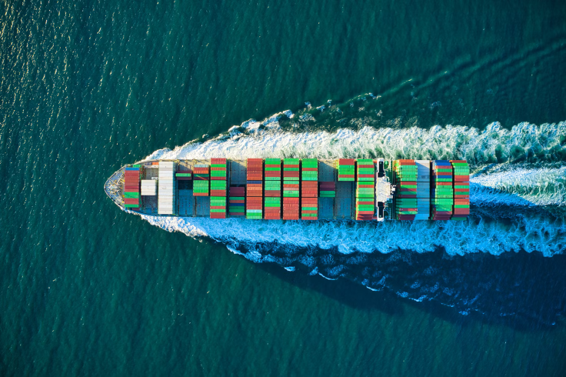
One of the best ways to save money, though often overlooked, is the duty drawback program. This program lets businesses get a refund on customs duties they paid for imported goods that are later exported or used to make exported goods. For example, if you bring in raw materials, use them to make a finished product, and then export that product, you might get back up to 99% of the duties you first paid.
U.S. Customs and Border Protection says this program aims to boost American trade. Managing this process well helps U.S. companies maximize their financial return and compete better globally.
Utilize Special Economic Zones
Special economic zones are another powerful tool for managing customs costs. In the United States, these are known as foreign trade zones. They're considered outside the country's customs territory for duty purposes. You can bring goods into an FTZ without paying duties until they're ready to go into the domestic market.
If those goods are re-exported from the zone, you might not have to pay any duties at all. This is very helpful for companies that use imported parts for manufacturing or store inventory for distribution. It improves cash flow by delaying duty payments and can eliminate them completely for exported products.
Optimize Product Classification
Every product imported into a country needs a specific classification code from the Harmonized System (HS). This code sets the duty rate for your product. The system is complex, and one product might fit under several classifications, each with a different duty rate. Whether you are importing raw materials, finished goods, or a quality product you have designed and manufactured yourself, getting the classification right is crucial.
A wrong classification can mean you pay too much in duties, or too little, which can lead to penalties and shipping delays. Regularly checking your product classifications with an expert can reveal opportunities to use a more accurate and often cheaper code, saving you money on every shipment.
Consult with Trade Specialists
The world of international trade rules is always changing. Tariffs, regulations, and trade agreements can shift quickly. While these strategies offer a solid base, working with a professional can give you an even bigger edge. Customs brokers, trade attorneys, and international trade consultants are experts in this field.
They can audit your import and export activities in detail, help with complex drawback claims, ensure correct product classification, and advise on the best strategies for your business. Their expertise can help you avoid expensive mistakes and find savings you might have missed.
Being proactive about managing duties and taxes is a smart business decision. Instead of seeing these costs as unavoidable, think of them as something you can control to improve your company's financial health.
























Share in the comments below: Questions go here

Learn the vital role of strong documentation in boosting business security. Explore how it safeguards data, streamlines processes, and mitigates risks effectively.