
How to Design and Manufacture a Quality Product
Whether you’re setting up a business from scratch or you want to introduce a new product to your line, product design and development are absolutely essential parts of the manufacturing process. There are legal hoops to jump through, as well as the process of turning a vague idea into a marketable product.
This article will explore the process of product design and development, taking you from the ideas phase right through to the finishing touches on your final product.
Creating and Patenting Your Idea
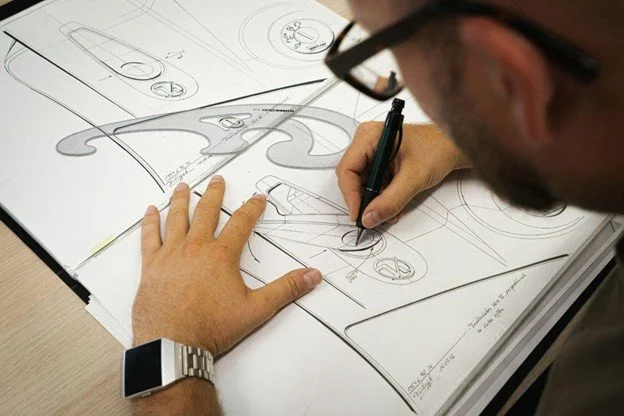
The first step is to actually create your idea. It’s one thing to have a vague picture in your head of something; it’s another to have an idea that could realistically develop into a project. If you have any drawing ability, it can help to sketch things out. Otherwise, make sure to put your ideas down on paper.
While this can start as seemingly random scribbles and notes, you can then develop the idea into something a bit more marketable and understandable. This certainly isn’t something you should then immediately jump into designing, but it’s a good place to start.
Before you get any further, it’s a good idea to look into getting a patent. This protects your intellectual property and makes sure that nobody else can grab your ideas and use them for themselves. This is especially important if your product has a unique feature that acts as a selling point. You should also trademark your brand, especially if you have a unique name or logo.
This also protects you from potential legal damage if you end up inadvertently bumping up against another patented idea or product. The sooner you realize that your product idea is already patented, the sooner you can move on to something new.
Market Research
Once you have a more solid idea and you’ve worked on protecting your intellectual property, you should move on to market research. Market research is a vital part of the product design process, and you should revisit it again and again.
First, you should research what other products there are that already exist in the market, so you know how to make your product stand out. You also need to work out who your target audience is and what they actually want from your product. It’s no good designing and developing a product that nobody actually wants.
Be willing to kill your darlings. Even something that seems like a good idea simply isn’t unless there’s an interest in it.
You can use your findings for the rest of your design process.
Conceptual Design
The next step is to turn your vague notes and scribbles, as well as your market research findings, into a conceptual design that could potentially work. Not everyone is a designer, and that’s okay.
If you want the best possible product, use a professional product designer. Outsourcing in this way can help you to end up with a great visual concept that doesn’t have any issues that you might not notice when designing it yourself. Even better, if you’ve taken the time to patent your product idea, you can ask them to sign an NDA so you know your product design is safe.
Designing the product also includes working out what materials it will need, from electrical components to bonding products, both to cut costs and to make sure the product will actually be functional.
It’s a good idea to try out a few designs to start with. You can then see which design is the most functional, cost-effective, and appealing. Further market research can help you make this decision, as you can see what appeals to your target market the most.
As well as introducing your potential designs to future customers for market research, you can also take them to potential investors to fund your product. With a patent and a solid design behind you, investors are more likely to consider helping you develop your product further and bring it to the market.
Your First Prototype
The concept design should then be turned into a virtual prototype. A virtual or digital prototype is essentially a computer model of your product that you can run tests on to make sure it will actually work in real-life conditions. This can help you notice potential problems that might not have been as obvious in the design phase.
Once your virtual prototype has been redesigned to the point that it actually works, you can move on to a real prototype. You don’t necessarily need to make the prototype pretty, but it should be as close an approximation of your real product as possible.
These days, it's much easier to create a prototype than it was in the past. You don't have to design every step bespoke. In fact, in many cases, you can take your virtual model and forward it to a 3D printing service and get them to create your invention. What's nice about this method is that you don't have to reduce the complexity of the prototype to make it feasible. You can keep the same design features and even play around with them and print out multiple prototypes if you want.
Manufacturing - In-House or Outsource?
Once your prototype has proven to be successful, potentially after some redesigning and future prototypes, you can finally actually manufacture your product.
First, you need to source the materials for your product. Using base materials allows you to customize the product more, but intermediate materials and goods can speed up the manufacturing process.
Unless your company has existing manufacturing capabilities, it’s best to outsource the actual manufacturing process to a company or multiple companies that have the tools and expertise that you need. For example, you might use one company for the metalwork, then send the almost completed products to Crosslink powder coating to finish them off.
Bringing Your Product to Market
Once your products are being manufactured, you should finally move to the market. You can start marketing your products even before they’re ready to sell, and a lot of small businesses and indie projects have seen great success in crowdfunding.
Depending on the products, you can market directly to customers or try to sell them to retailers. This can massively increase your sales and build a reputation for your products, as you use larger retailers to generate a more visible brand.












Share in the comments below: Questions go here

Learn how data-driven insights can empower small business owners to make informed decisions and boost their success. Start transforming your strategy now!