
How to Plan a Productive and Successful Team Offsite
Taking your team out of the office for a day or two might seem like a luxury, but a well-planned offsite is actually one of the best ways to boost productivity and get everyone on the same page strategically. It's more than just a break from the usual routine; an offsite gives teams a unique space to tackle tough problems, build stronger relationships, and spark the kind of creative energy that's hard to find during a normal workday. By removing daily distractions like emails and meetings, you create a focused environment where real progress can happen.
These events are a real investment in your team's unity and your company's future. They allow for deep, uninterrupted thinking and collaborative work that can set the tone for the next quarter or even the entire year. When you plan an offsite with clear goals, it can deliver big returns through better morale, smoother processes, and fresh, innovative ideas.
Why Offsites Drive Real Results
A major plus of a team offsite is simply the change of scenery. Stepping away from familiar cubicles and conference rooms helps break down mental and hierarchical barriers. When team members interact in a new place, their communication often becomes more open and honest. This psychological reset can really help organizational transformation by encouraging people to see their colleagues and their work from a fresh perspective.
An offsite also carves out dedicated time for strategic thinking, free from the constant interruptions of daily operations. This focused time is vital for tackling big-picture challenges that often get pushed aside by more urgent demands. It allows for deep discussions about the company's vision, long-term goals, and ways to improve processes – things that simply can't happen in a 60-minute meeting. The shared experience of working together in a different context also builds trust and strengthens connections between people, which directly leads to smoother collaboration back at the office.
Planning for Maximum Impact
A successful offsite starts long before the event itself. The most important step is to be absolutely clear about your objectives. What do you want to achieve? Are you trying to finalize next year's strategy, improve communication between departments, or just boost team morale after a tough period? Your goals should be specific, measurable, achievable, relevant, and time-bound (SMART).
Once you have your goals, create a detailed agenda that balances work sessions with some unstructured time for socializing and relaxing. A schedule that's too packed can lead to burnout, which defeats the whole purpose. Share the main points of the agenda with your team beforehand to build excitement and help them prepare mentally. Getting team members involved in the planning by asking for their input on topics or activities can also increase their buy-in and make sure the content is relevant. A well-structured event is much more likely to spark breakthroughs and drive success than one that's loosely organized.
Choosing Your Ideal Venue
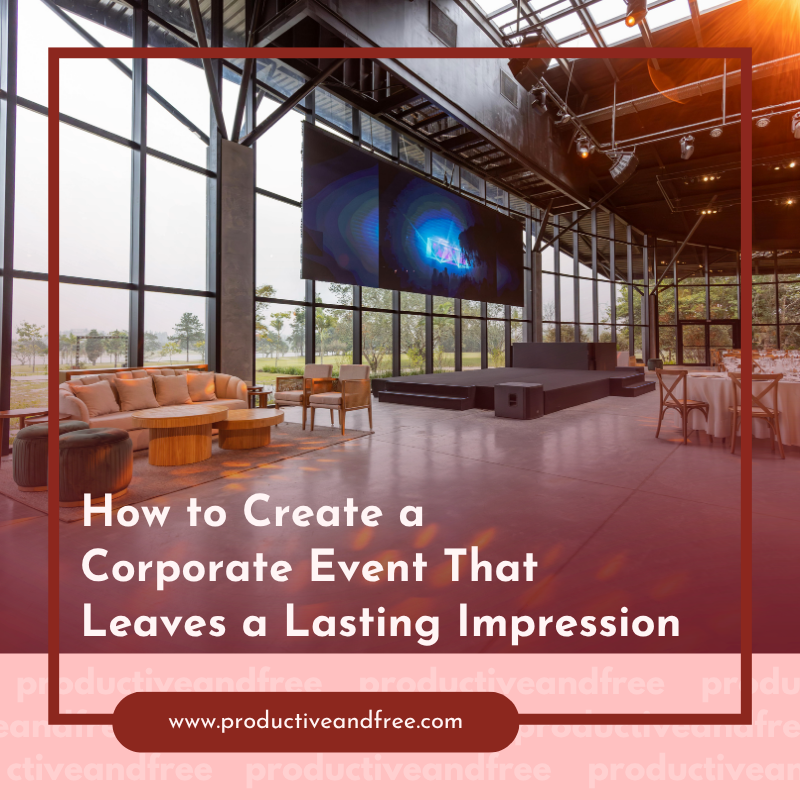
Your offsite's location sets the mood for the entire event. While a standard hotel conference room gets the job done, choosing an inspiring and unique venue can really improve the experience and make your team feel valued. Think about the message you want to send. A rustic lodge might encourage creative, relaxed thinking, while a sleek city loft could foster a feeling of innovation and ambition. The main thing is to find a space that gets the team out of their everyday environment and provides all the amenities you need to be productive.
Consider accessibility, technical needs, and breakout spaces. Does the venue have reliable Wi-Fi, AV equipment, and smaller rooms for group work? For a truly memorable and impressive setting, unconventional options can offer an exclusive environment that encourages focus and rewards the team. Private estates and art galleries can provide a change of scenery, while corporate yacht events offer teams the opportunity to combine productive sessions with a memorable setting away from the usual office environment. The right atmosphere is a huge factor in what makes offsites work. The goal is to pick a place that feels like a destination, not just another office.

Activities to Spark Collaboration
The activities you plan are the core of your offsite. They should be a thoughtful mix of structured work and engaging team-building exercises, all directly connected to your event's goals. If your objective is strategic planning, dedicate sessions to SWOT analyses, brainstorming new initiatives, or mapping out project timelines. Use facilitators to keep discussions on track and make sure everyone gets a chance to contribute.
For team building, go beyond generic exercises. Instead, choose activities that require genuine collaboration and problem-solving. Some good ideas include:
Collaborative Challenges: Escape rooms or building challenges push teams to communicate and work together under pressure.
Skill-Based Workshops: A cooking class, a public speaking workshop, or a session on new software can help team members learn together.
Community Service: Volunteering for a local cause can unite a team around a shared purpose and provide a sense of accomplishment.
The best activities are both fun and functional, helping you create a wildly productive team offsite where relationships get stronger and real work gets done. Make sure there's also downtime for informal conversations, as some of the most valuable connections happen over coffee or a shared meal.
Measuring Your Event's Success
To justify the time and money spent on an offsite, you need to measure its impact. This process starts with your initial goals. If your goal was to finalize a strategic plan, the main measure of success is whether you left with a documented and agreed-upon plan. If the objective was to improve team morale, the results might be less tangible but still measurable.
Right after the event, send out an anonymous survey to get feedback. Ask specific questions about the agenda, venue, activities, and overall value. Key questions could include:
On a scale of 1-10, how valuable was the offsite for you?
What was the most impactful session or activity?
Do you feel more connected to your team members?
What is one key takeaway you will apply to your work?
In the weeks and months following the offsite, look for changes in behavior. Is communication more open? Are teams collaborating more effectively on projects? Schedule a follow-up meeting a month later to review progress on the goals set during the offsite and reinforce the key takeaways. This ensures the momentum from the event turns into lasting change.
A strategic offsite is much more than just a company perk. It's a focused effort to build a stronger, more aligned, and more productive team. By investing in a well-planned event, you create the space for your team to do its best work and return to the office energized and ready to execute.














Share in the comments below: Questions go here

Transform your sales approach with expert tips on outbound sales. Propel your growing business to new heights with actionable insights and strategies.