
The Essential Maintenance of Self: A Business Owner’s Guide to Prioritizing Your Well-Being
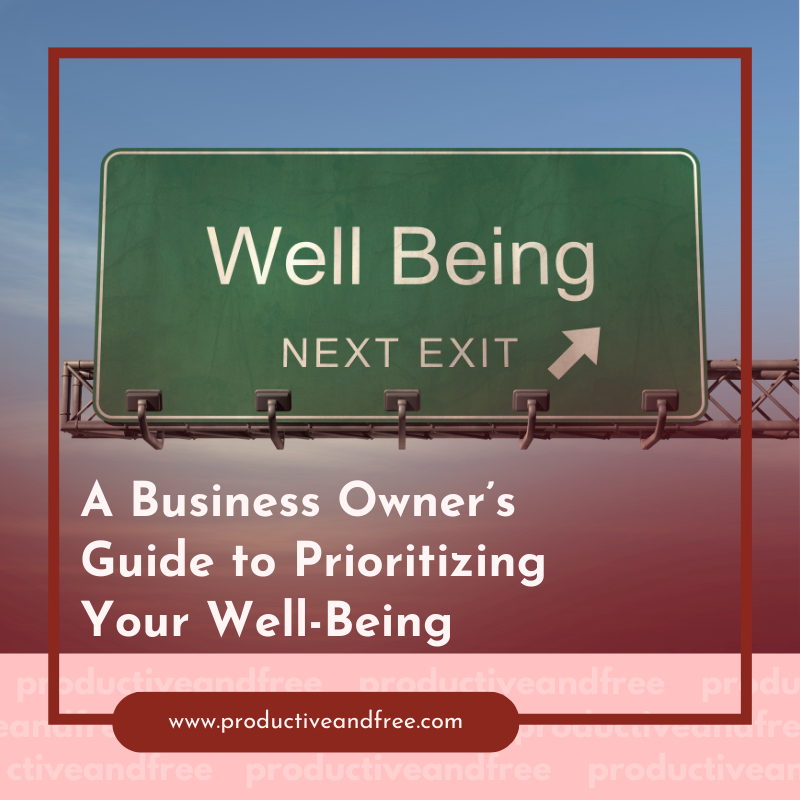
Nobody warns you about the personal cost of running a business. Not your accountant, not your mentor, not the business books stacked on your nightstand. You find out the hard way. Through the Sunday evenings that stop feeling like evenings, and the conversations you half-listen to because part of your brain never really left the office. The moment you realize you can’t remember the last time you did something purely for yourself. That slow erosion is what this is really about.
Why Self-Care Isn’t a Luxury - It’s a Business Strategy
There’s a persistent myth in entrepreneurial culture that grinding harder is always the answer. Sleep is for employees. Holidays are for people without ambition. But the research tells a very different story. Chronic stress degrades decision-making, shrinks your capacity for creativity, and quietly dismantles the judgment that built your business in the first place. A burnt-out founder doesn’t just suffer personally - their business suffers too.
Think of it this way: you’d never run a manufacturing floor with machinery that’s never serviced. You’d never expect a car to run indefinitely without oil changes. You are the most expensive, irreplaceable piece of equipment your business has. Treating your well-being as a low-priority line item isn’t stoic but a poor investment decision.

Understanding Local Health and Workplace Support Resources
One of the most underused tools in a business owner’s toolkit is the healthcare system. Support systems for occupational health vary widely across regions and knowing what’s available locally before you need it makes all the difference. Beyond formal compensation systems, local general practitioners, occupational therapists, and employee assistance programs often serve self-employed individuals as well, and many don’t realize they qualify.
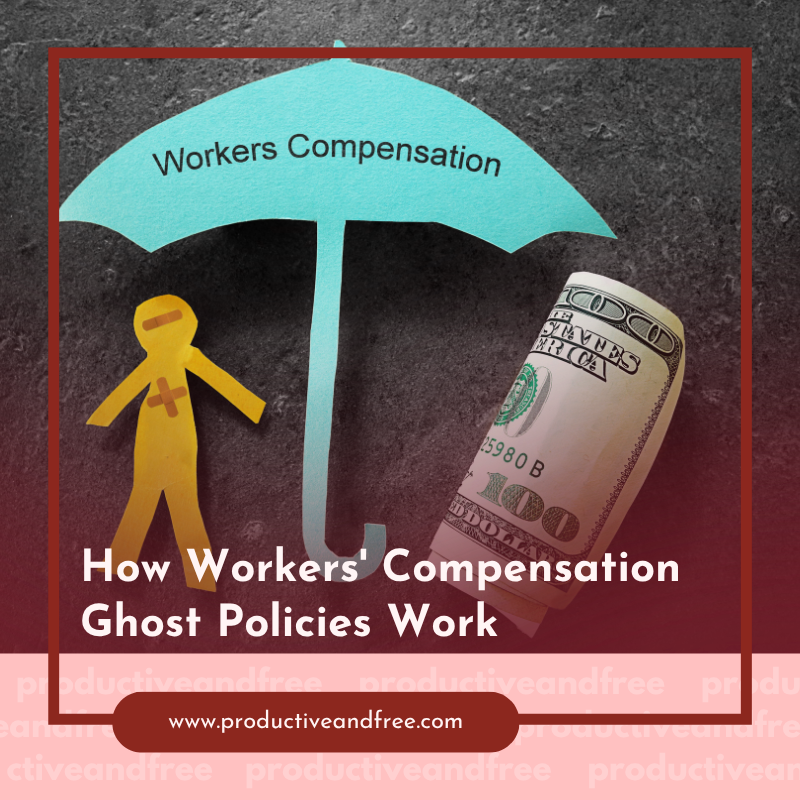
In Australia, business owners who experience work-related strain or injury may turn to specialized clinics that understand the workers’ compensation framework. Searching for experienced WorkCover doctors in the Sunshine Coast, for instance, is one practical way entrepreneurs in that region can access medical guidance. If you face desk strain, stress symptoms, or solo-business pressures, finding the right professional early can prevent minor issues from becoming serious, career-limiting problems.
Setting Boundaries That Actually Hold
Treat recovery time as operationally non-negotiable. Block it on your calendar, define what will happen during that period, and avoid replacing it with lower-priority tasks.
General intentions, such as “rest more,” are difficult to maintain under workload pressure. Clearly defined actions, such as stepping away from devices during designated evenings or scheduling structured downtime, are more likely to be followed and sustained. This approach supports consistency, reduces decision fatigue, and helps maintain long-term performance.
Physical Body Is Your Most Neglected Business Asset
It’s easy, when you’re head-down building something, to treat your body as a vehicle for your brain rather than a system that requires active maintenance. But ask any entrepreneur who’s had a serious health scare mid-growth-phase, and they’ll tell you: nothing restructures your priorities faster.
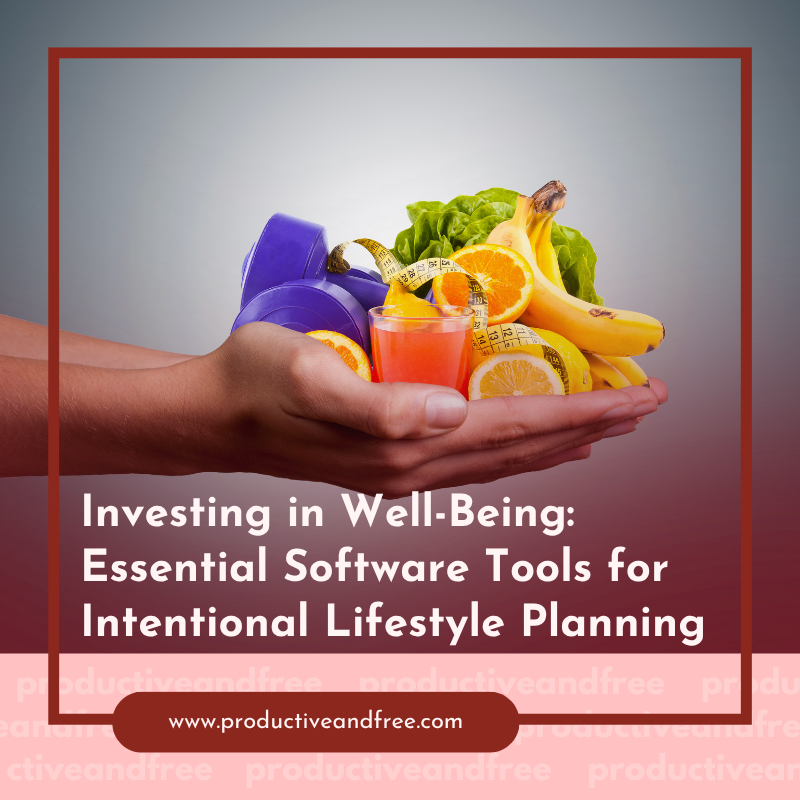
Regular movement, adequate sleep, and consistent meals are the biological foundation on which every business decision you make rests. Numerous studies have linked moderate aerobic exercise to improved executive function, reduced cortisol levels, and better sleep quality. You need to avoid being sedentary for 12 hours straight. Start with what’s doable, build from there, and resist the urge to optimize it into another source of stress.

Managing the Mental Load That Nobody Talks About
When you run a business, you don’t clock out mentally. The mental load of entrepreneurship is one of the most under-discussed dimensions of business ownership, and one of the most damaging when left unaddressed. Externalizing that mental load through journaling, talking with a trusted advisor, or regular check-ins with a therapist gives the brain somewhere to put it other than your nervous system.
Many business owners feel that seeking psychological support is somehow an admission of weakness or incompetence. It is neither. Talking to someone who isn’t your business partner, your spouse, or your accountant is often the most clarifying thing you can do.
Financial Stress and Well-Being
Money stress is one of the most visceral forms of anxiety a person can experience. Revenue dips become personal failures. Slow months feel like existential threats. That psychological relationship with financial performance, if left unchecked, can make it nearly impossible to think clearly about the very decisions that would improve the situation.
Separating your self-worth from your revenue figures is a prerequisite for sound financial thinking. Practical steps help enormously here. Business owners who maintain a clear-eyed, weekly view of their numbers report significantly less financial anxiety than those who operate with their head in the sand. Knowledge gives you agency, while avoidance gives the anxiety more room to grow.
Building a Personal Support Network Outside the Business
Isolation is a hidden risk of entrepreneurship. When work and social circles overlap, it drains energy and narrows perspective. Maintaining relationships outside your industry protects long-term mental health. Not every conversation needs to be about business.
If non-business friendships have faded, which happens to most founders at some point, rebuilding them requires deliberate effort. A recurring lunch, joining a sports team, or committing to a shared hobby can help create regular, low-pressure contact. The goal is simple: to have spaces where you are a person first and a business owner only incidentally.
The Real Foundation of a Sustainable Business
A business never exists separately from the person running it. Protecting your well-being is one of the smartest long-term investments you can make, and it does not require a complete life overhaul. Start with one practical change, such as setting a boundary, taking a daily walk, having an honest conversation, or finally booking that delayed appointment. People ultimately build businesses, and people function better when they are properly supported.















Share in the comments below: Questions go here

Ensure your sports field project is in good hands! Discover the 7 essential questions to ask before hiring a contractor for a successful build.