
Boosting Business Security: Why Your Employees Hold The Key
Research suggests that up to 95% of cyber incidents are linked to human errors. If you run a business, it’s crucial to understand the importance of robust cybersecurity measures. As attacks become more sophisticated, it’s more important than ever to recognize the role of your employees. Improving education and awareness, providing tools and software to limit access, and protecting personal data all play a part. In this guide, we’ll discuss why your employees hold the key to better business security and outline ways to reduce risks.
The role of your employees
The vast majority of cyber attacks are caused by human mistakes. Weak passwords and falling foul to phishing scams are among the most common examples. In a corporate setting, even a small mistake can be incredibly costly in terms of downtime, financial losses, and damage to your reputation. Anyone who has access to your networks, systems, and devices should understand how to protect data and restrict access, how to spot suspicious emails and messages, and what to do if they identify threats.
Your team can play an integral role in shielding your business from cybercriminals and reducing risks. As an employer, it’s critical to ascertain the best ways to equip your employees with the knowledge and skills required to keep threats at bay.

How to reduce risks by focusing on your employees
There are many ways to protect your business against cyberattacks and malicious activity, including utilizing cutting-edge security software and tools, monitoring activity, and limiting access to sensitive information. Perhaps the most important area to focus on is your team. If you own a business, it’s hugely beneficial to implement strategies to enhance security by zoning in on employee knowledge, understanding, training, skills, and behaviors. Here are some ideas to consider for your company:
Providing employee training
Training can make an incredible difference to business security. The goal is to provide vital information about spotting threats, reporting suspicious activity, and understanding how to act if there’s a risk of scams or data breaches. There are various options, including online training and workshops, interactive learning modules, exercises, and activities, and in-person sessions.
Online courses are ideal for busy teams as they offer flexibility and the option to move at your own pace at a time that suits you, but some people may find in-person training more effective. It’s a good idea to get feedback and suggestions from your team before you search for training providers and courses. Look for programs, courses, and workshops that are relevant to your industry and your security objectives.
Protecting personal data
Protecting your business as a whole is easier if your employees understand how to protect data on a personal level. If everyone recognizes the importance of data protection when using mobile devices or computers at home, they can apply the same skills and practices at work. Using passwords and secure systems and networks is key, but it’s also worth considering automated privacy protection services. These services remove personal information shared by data brokers to maintain high levels of privacy and lower the risk of scams, phishing emails, cold calls, and hacking attempts. They also save a huge amount of time for those who want to remove their data from websites by automating the process. This is much faster than completing the task manually.
Reviewing, updating, and modifying company policies
Policies and protocols can help you implement effective strategies to prevent cybercrime across your business. Whether your company is new or long-established, it’s essential to review, update, and modify policies regularly to address weaknesses, fill gaps, and take advantage of new technologies, tools, and approaches.
If you’re adjusting policies, communicate clearly with your employees. Make sure everyone understands protocols. Going through company security guidelines should be part of your onboarding process. It’s also beneficial to appoint somebody to handle queries, provide information and advice, and answer questions to ensure clarity and understanding.
Passwords
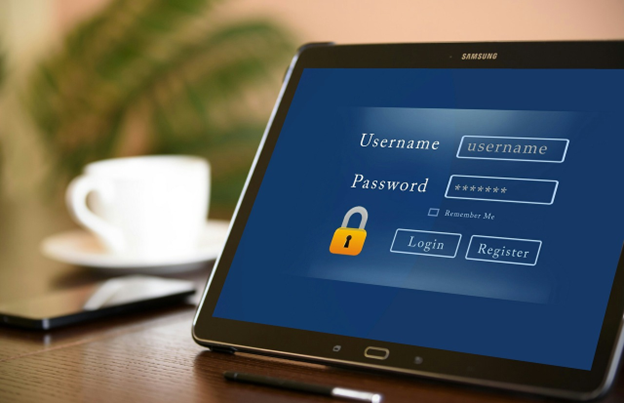
Most businesses require their employees to use passwords to access networks, apps, email accounts, and tools. Passwords can be an effective form of defense, but they can also be a weakness. It’s wise to ensure passwords are difficult to guess and set timeframes for changing passwords. Setting new passwords regularly makes it more difficult for unauthorized individuals to gain access. Multifactor authentication can also help you bolster security.
Sharing passwords increases risks. Issuing clear guidance about passwords in your company policies can help to avoid issues. Your employees should be encouraged to keep passwords private and avoid sharing them with others, even their colleagues.
BYOD (bring your own devices)
Bringing your own devices to work has become more common, with more and more firms operating remotely or adopting a hybrid model. If your employees bring laptops or personal devices to the office, it’s crucial to ensure you have policies governing their use. Everyone should understand what to do and what not to do to maintain the highest levels of security.
Reporting issues
Detecting threats can help you shield your company, but it’s also important to act on unusual activity or attempted security breaches. Your policy should outline clear steps for employees to follow if they receive phishing emails or have concerns about a suspected ransomware attack. Effective reporting can help you tackle incidents swiftly and prevent repeat problems.
Access to expertise
Many people don’t have extensive or advanced knowledge and experience in cybersecurity. It’s beneficial to provide access to expertise for your employees. This may mean picking up the phone or messaging somebody in the IT department, or contacting a managed IT or cybersecurity services provider.
Cybercrime is one of the most significant threats to modern businesses. Although security tools and technologies have evolved, threats have become more sophisticated. There are many facets to consider when working on a security strategy for your company, but few are more important than employee knowledge and training and your business policies and protocols. As a company owner, you can reduce risks, protect your firm, and enhance employee skills and understanding by providing training, reviewing and updating policies regularly, and ensuring access to advanced tools and software, and expert help, support, and advice.























Share in the comments below: Questions go here

Discover how to boost productivity in your service business by automating key processes. Streamline operations and focus on what truly matters!