
What Every New Business Should Know About Managing Digital Risks
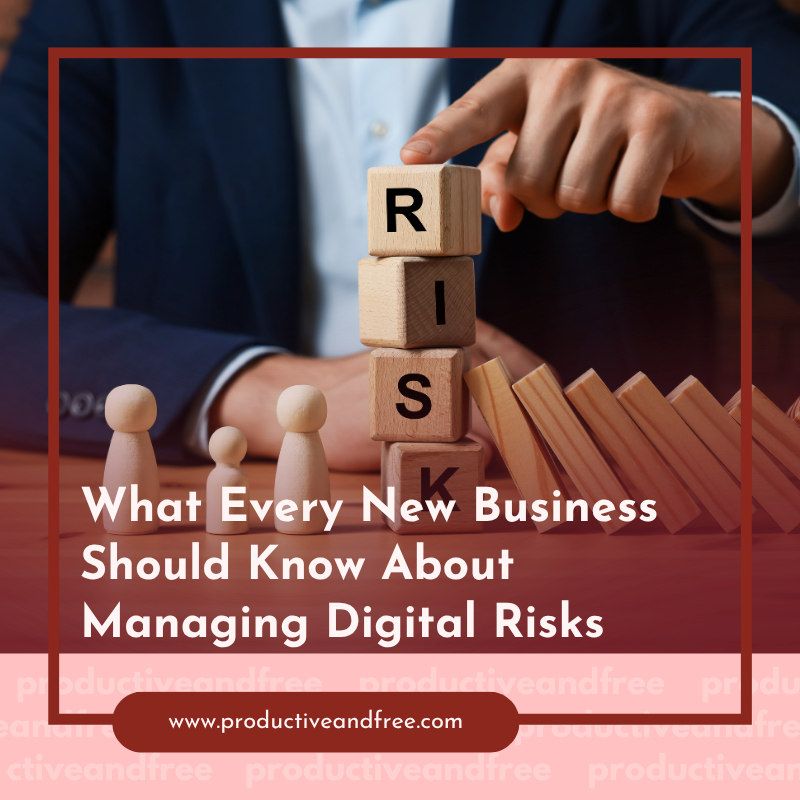
Starting a new business is an exciting time filled with big ideas, late nights, and the thrill of building something from scratch. While you're busy developing products, marketing, and finding your first customers, it's easy to overlook a crucial part of modern business: digital risk protection. Today, even the smallest venture relies on technology, so understanding and managing these risks is just as fundamental as balancing your books. Putting simple, effective measures in place from the very beginning can protect your hard work, reputation, and customers' trust.
What Exactly Is Digital Risk?
Digital risk is any potential for your business to lose something or suffer damage due to the digital technology you use. The threat could be a data breach that exposes your customer list, a social media account getting hacked and hurting your brand's reputation, or a system failure that brings your operations to a halt.
For a new business, the fallout can be severe. The common types of digital risks include everything from technical glitches and human mistakes to deliberate attacks from outside. Ignoring these possibilities won't make them disappear. Instead, acknowledging them is the first step toward building a tougher company that can handle the inevitable challenges of the digital age.
Identifying Your Digital Footprint
You can't protect your assets until you know what they are. Every new business, no matter how small, leaves a digital footprint. Take a moment to map out all the digital places your business touches. This includes:
Your company website and its hosting, email accounts, marketing platforms, social media profiles, cloud storage services (like Google Drive or Dropbox) where you keep documents, any software you use for accounting, project management, or customer relations, and the devices you and your team use, such as laptops and smartphones.
Once you have this list, you can start thinking about the risks tied to each one. Is your website secure? Is customer data stored safely? Actively looking for weaknesses is a powerful approach. If your business has a public-facing website or app, hiring professionals for a CREST accredited penetration testing service can help find vulnerabilities before someone exploits them and give you a detailed report on how to fix them.

Build a Security Culture from Day One
You don't need a huge budget to start building a strong security culture. Good habits, established early, are your most effective tool. Even if your 'team' is just you, setting these practices in motion from the start makes security a natural part of how you operate.
Start with the basics. Insist on using strong, unique passwords for every service and encourage a password manager to keep them organised. Turn on two-factor authentication (2FA) wherever it's available, especially for critical accounts like email and banking. This adds a layer of protection that stops unauthorized access even if a password is stolen. Also, make it a routine to keep all software and applications up to date to patch security vulnerabilities.
Key Strategies for Managing Digital Threats
Digital risk management means having a plan for when things go wrong. One of the most important strategies is regular data backups. If your systems are hit by malware or a hardware failure, having a recent backup of your data can be the difference between a minor inconvenience and a business disaster.
It's also smart to create a simple incident response plan. This doesn't need to be a complex document. Just outline the key steps you would take if a security breach happened. Who do you need to contact? How will you tell customers if their data is affected? Thinking through these scenarios beforehand helps you respond calmly and minimize potential damage.
Understanding your risks and embedding good security habits into your business from the start can give your company the strong, secure foundation it needs to grow and succeed.



























Share in the comments below: Questions go here

Maximize productivity by streamlining your field operations. Explore effective solutions that drive efficiency and elevate your team's performance!