
Best Ways to Manage Surge in Customer Queries

While a sudden business growth may sound like a dream scenario, in reality it may be a curse in disguise.
Sudden growth can happen for a variety of reasons, such as unlocking your reach on Instagram to being a solo player in a much-in-demand niche market. When it happens, it pushes your brand name in front of hundreds, thousands of people in a short period of time.
Naturally, this doesn’t come without challenges. For a start, there’s the entire logistics side of things, ranging from whether you have sufficient stocks to how fast you can manage to ship the new orders. But there’s also another kind of challenge that comes with this momentum: A surge in customer interactions.
Ultimately, people don’t just buy more. They also have more questions, issues, and problems to bring to your attention. Bringing answers is the next step, and it is one of the most important step if you want to maintain your growth potential.

Why Speedy Replies Matter
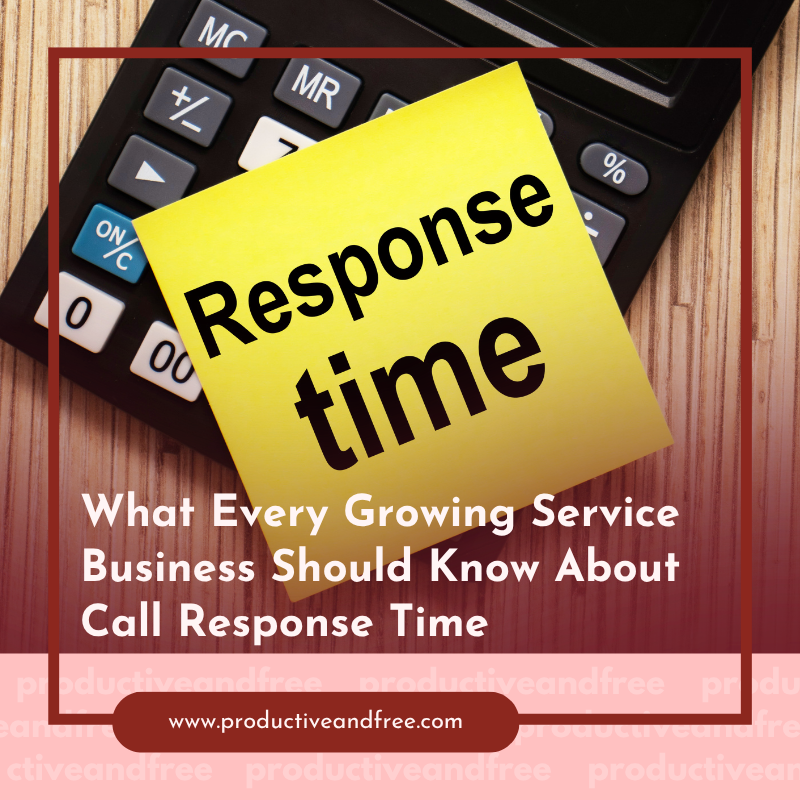
When customer growth spikes, response time becomes part of your brand. People reaching out during moments of excitement or urgency expect a response fast. Long delays or unanswered messages become problematic because they are frustrating to customers.
Slow responses can make a growing business appear disorganized or overwhelmed. It also has an instant impact on the brand reputation.
Even if the product or service is strong, customers are less likely to return if their first experience with the customer service feels frustrating. So, addressing queries quickly is a lot more than a nice thing to do. It’s indispensable as a growing business.
Using Chatbots
One of the simplest ways to manage increased demand is by adding AI-powered chat functionality to your site.
Where and how can you use a chatbot? Chatbots can answer common questions instantly. They also guide visitors to the right resources and pages. Finally, they act as a first point of contact to collect information before a human agent is involved, if the issue can’t be resolved at the chatbot level.
This doesn’t replace personal service. Chatbots are designed to handle repetitive and time-demanding tasks.
Supporting Call Centers With the Right Solutions
For businesses that rely on phone support, call volume is often where pressure shows up first. Missed calls and long hold times create poor customer experiences.
Solutions like interactive voice response systems help manage this load by greeting callers, routing them to the right department, and answering basic questions automatically. IVR systems manage call flow and reduce friction during peak times.
Creating Strategic FAQs
Does every question require human or tech intervention?
No, some questions can be resolved directly by customers if you create FAQ pages and help sections that provide the insights they need.
Pay attention to the questions customers ask most often:
● Shipping timelines
● Return policies
● Setup instructions
● Account access issues
● Etc.
Addressing common pain points clearly empowers customers to help themselves, which benefits both sides by providing a fast response and reducing business workload.
Beyond written FAQs, it’s not uncommon to use visual and interactive content to further reduce support demand. Short how-to videos, downloadable guides, and even simple diagnostic tools make complex issues easier to solve without human intervention.
In conclusion, sudden customer growth is a nice problem to have, but it is a situation that puts high pressure on your customer service team. When growing the team is not an option, it’s important to look for tools and tips to reduce pressure on your team.

























Share in the comments below: Questions go here

Transform your sales approach with expert tips on outbound sales. Propel your growing business to new heights with actionable insights and strategies.